Home
+
Published : 28 Jun 2026, 09:58 PM
Lightning strikes Bangladesh about 3.36 million times every year, killing at least 350 people, according to data shared on International Lightning Safety Day.
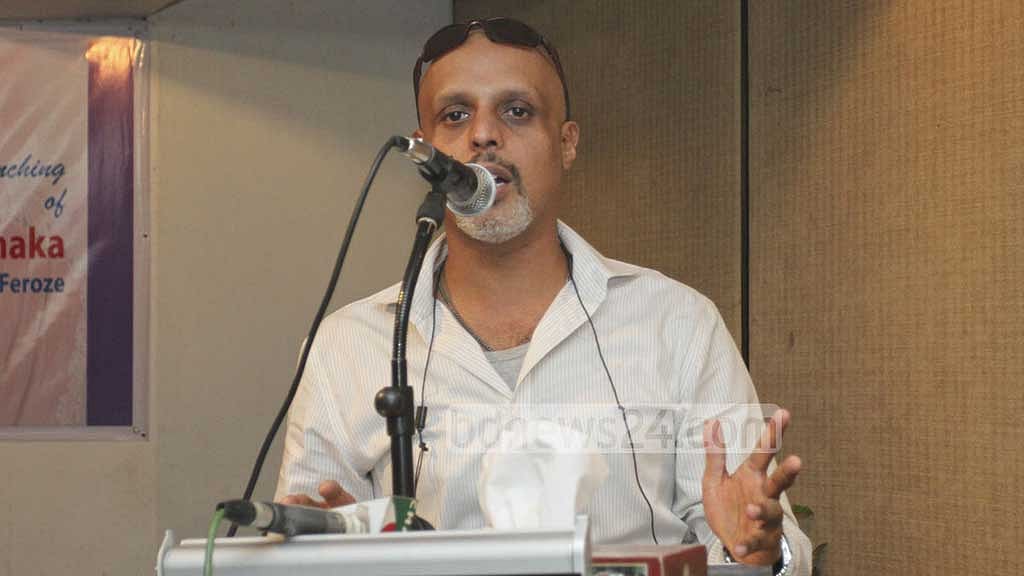
Khan Md Golam Rabbani, a meteorologist with the Regional Integrated Multi-Hazard Early Warning System (RIMES), presented the data on Sunday, highlighting Sunamganj and Sylhet among the districts at heightened risk.
April and May are typically the months with the highest frequency of lightning strikes, he said.
Recommending coordinated measures to reduce lightning fatalities, he said prompt cardiopulmonary resuscitation (CPR) could save lives in many cases.
"People must take shelter indoors during lightning, avoid standing under large trees, and if caught in an open field, spread out rather than staying in a group," he said, adding that while mobile phones and other devices can be used inside, appliances connected to electrical sockets should be avoided during a thunderstorm.
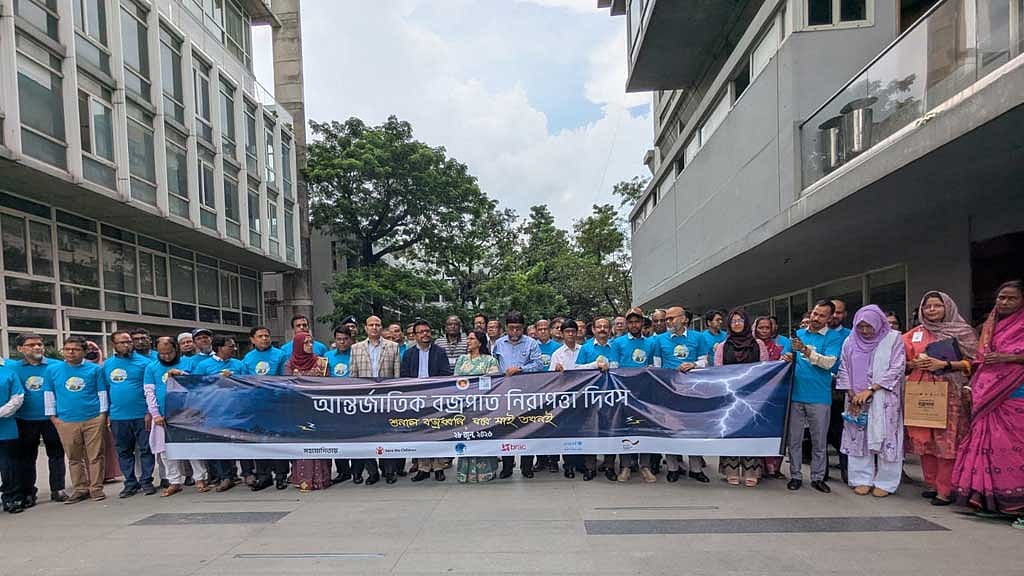
The event was jointly organised by RIMES, the Bangladesh Meteorological Department (BMD), UNICEF, BRAC, and Save the Children. RIMES later issued a media statement summarising the discussions.
This year's theme for the day was: "Shunle Bojrodhwani, Ghore Jaai Tokhoni", which translates to “When we hear thunder, we go home immediately”.
BMD Meteorologist SM Quamrul Hassan said the department began issuing experimental lightning warnings on Apr 1, 2025, with technical support from RIMES.
Under the system, at-risk areas are identified and alerts issued one to six hours in advance via BMD's website, Facebook, WhatsApp, and other social media platforms.
He recommended establishing a unified coordination platform for all agencies working to reduce lightning risk.
Secretary of the Ministry of Disaster Management and Relief Md Saidur Rahman Khan described Bangladesh as a "multi-hazard prone country" and urged earthquakes and lightning to be treated as priority concerns.
A session titled "Voices from the Field" featured participants from Sunamganj, Md Emdad Hossain, Arefin Reza, Forkan Uddin, Sandhya Rani Das, and Sagarika, each of whom had lost a loved one to lightning or had themselves survived a strike.
They shared first-hand accounts of how lightning shapes their daily lives, livelihoods, and safety decisions, and discussed coordinating school closures and boat movements based on weather forecasts, keeping life jackets on boats, and keeping students safely indoors during rain or thunderstorms.