Published : 15 Aug 2024, 01:41 AM
Updated : 21 Aug 2026, 11:33 AM


As the government crafts the FY25 national budget, intense speculation and analysis surround its economic strategies.
With plans to set higher revenue targets, raise bank interest rates, and possibly reduce the tax-free limit, while meeting International Monetary Fund conditions, experts are debating how much the government will prioritise the traders’ expectations in this critical fiscal plan.
As the budget grows in scope and scale, so does the pressure on revenue collection.
Abul Hassan Mahmood Ali is slated to present his - and this newly elected Sheikh Hasina administration's - first budget as finance minister for the fiscal year 2024-25 in parliament on Jun 6.
Several finance ministry officials indicated that the budget is being drafted with a revenue plan of approximately Tk 5.5 trillion, with the National Board of Revenue or NBR expected to generate a significant portion, around Tk 4.8 trillion.
Business leaders contend that a strong emphasis on revenue collection with ambitious targets in the upcoming financial year could negatively impact the domestic industry and production system.
Entrepreneurs and industry owners are discussing new demands with the government to boost Bangladesh's economy, hoping to see them included in the upcoming budget.
There is speculation that the government might adopt a compromise strategy under pressure from these demands, but the final details will only be known once the budget is announced.
Several government ministers have hinted that the upcoming budget could amount to Tk 8 trillion, compared to the current fiscal year's budget of Tk 7.62 trillion.
To secure a $4.7 billion loan from the International Monetary Fund or IMF, the government has agreed to several conditions, including the rationalisation of tax exemptions.
The NBR aims to increase tax collection by 0.5 percent of the gross domestic product or GDP by the end of the fiscal year 2023-24.
To meet the target, the government also plans to eliminate tax exemptions and tax holidays, and reduce tax exemptions to a more reasonable level in some sectors.
Economists suggest that sectors benefiting from long-term tax holidays need to be brought to a reasonable level, a move the NBR seems to be making.
Business organisations are assessing how this could affect local industries and the garment sector, which currently enjoys tax exemptions, with businesses working to preserve these benefits.
Recently, a group of business leaders met with Prime Minister Sheikh Hasina to discuss several demands, including maintaining current tax exemption levels and not increasing tax rates.
They also requested that the interest rate for bank loans remain capped at 15 percent.
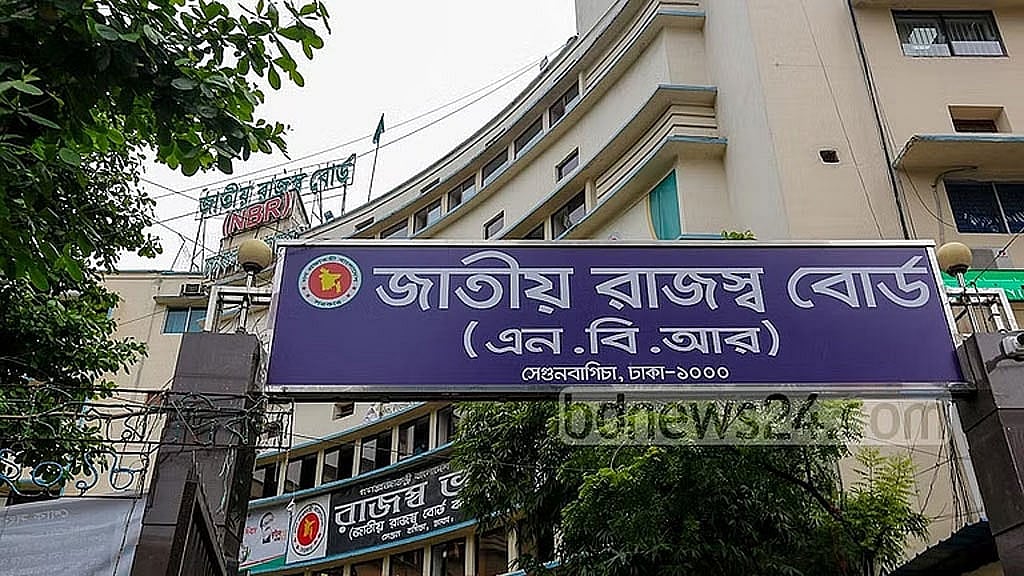
In early May, Bangladesh Bank adjusted the interest rate cap from 9 percent to a market-based approach, allowing banks and customers to determine the applicable interest rates.
Mohammad Hatem, executive president of the Bangladesh Knitwear Manufacturers and Exporters Association or BKMEA, told bdnews24.com: "There are numerous challenges. In the current circumstances, customers are not in a position to negotiate interest rates with banks. Consequently, they will have to accept the rates set by the banks.
"However, I have spoken with the Bangladesh Bank governor, and he believes the rates will likely be around 14 percent."
FBCCI PROPOSES AIT CANCELLATION
The Federation of Bangladesh Chambers of Commerce and Industry, or FBCCI, has presented 381 proposals to the government, which include suggestions such as not deducting tax at source from agricultural consumer goods, exempting advance income tax (AIT) to boost the export market, reducing corporate tax rates for local industries to promote growth, expediting customs collection processes, automating revenue collection, and enhancing the capacity of the NBR.
Currently, the corporate tax rate is 27.5 percent for unlisted companies and 20 percent for listed companies.
FBCCI President Mahbubul Alam told bdnews24.com that they had met with Hasina and she assured them that their proposals would be considered positively.
Alam emphasised their hopes for a budget that supports business, investment, and industry, and stressed their request for guidance to introduce automation across all sectors by reducing rates.
He also stressed avoiding an increase in bank loan interest rates, which he argued would hinder industrialisation and investment in the country.
RMG SECTOR SEEKS RETURN OF TAX AT SOURCE
The readymade garment sector, which accounts for 83 percent of export earnings, receives the most tax holiday benefits.
Last fiscal year, exports from this sector totalled $46 billion.
At one point, the tax at source in the RMG sector was 0.50 percent. In the 2023-24 fiscal year, it was raised to one percent.
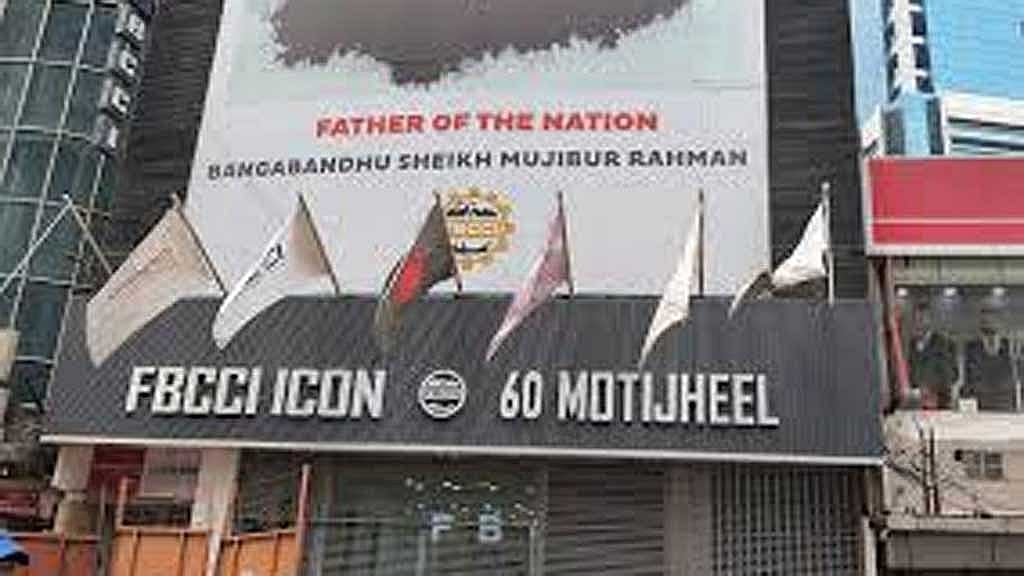
Bangladesh Garment Manufacturers and Exporters Association, or BGMEA, is urging that the tax at source be reverted to 0.50 percent in the upcoming budget.
BKMEA boss Hatem said, "There is a continuous negative impact on this sector. There have been increases in electricity and gas prices, depreciation of the taka against the dollar, and a decrease in purchase orders. If tax holidays are withdrawn from those who receive them, this sector will face collapse."
SM Mannan Kochi, the president of BGMEA said: "Urgent measures are needed to address the existing challenges in providing essential services to the garment sector. The complexities related to customs, bonds, HS codes, and the weight of woven fabrics must be addressed promptly."
BGMEA's budget demands include:
- Reducing income tax on cash assistance from 10 percent to 5 percent.
- Removing VAT on raw materials.
- Exempting taxes on the import of fire and safety equipment used in industrial factories.
- Lowering income tax on exporters' retention quota from 20 percent to 10 percent.
Mannan justified these demands by stating, "We are advocating for the continuation of all current incentives until 2029 and introducing alternative and timely policy support thereafter to address the challenges of LDC graduation."
He said, "We have also requested special policy support to encourage investment in new markets, new products, and non-cotton textiles, which we believe will drive our future growth."
The leader of the traders' association also urged the government to implement food rationing to protect workers from the rising cost of living, which is currently approaching 10 percent in the economy.
REHAB PUSHES FOR UNDISCLOSED INCOME INVESTMENT
The Real Estate and Housing Association of Bangladesh, or REHAB, representing housing traders, is pushing for the opportunity to invest undisclosed income in the sector without facing scrutiny.
REHAB President Md Wahiduzzaman told bdnews24.com that they will seek more benefits in the upcoming budget.
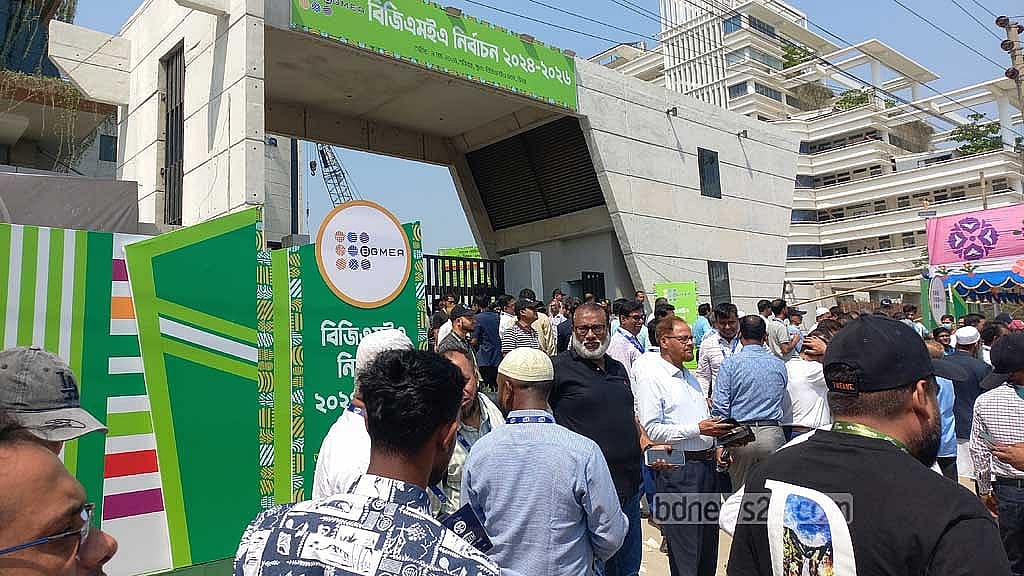
REHAB's demands include:
- Decreasing flat and plot registration fees and related charges, and reducing tax from 12 percent to 7 percent.
- Reverting the increased rate of buying and selling flat-plots to 3.5 percent for the second time.
- Lowering the tax at source from 15 percent to 4 percent for landowners.
- Withdrawing the 4 percent and 3 percent taxes imposed on the land in areas under the capital development authority RAJUK and the Chattogram Development Authority.
- Introducing a tax holiday for five years in metropolitan and cantonment areas, and for 10 years outside municipal limits in the housing sector.
BARVIDA'S PROPOSAL
Md Habib Ullah Dawn, the president of the Bangladesh Reconditioned Vehicles Importers and Dealers Association or BARVIDA, called for the introduction of a 'smart customs policy'.
"I believe it's time to adopt a smart tariff policy," he said. "In light of this, the budget should provide continuity to ensure ease for both buyers and sellers."
BARVIDA's budget demands include:
- Restructuring of CC slabs and supplementary duty rates for hybrid cars.
- Reduction of import duty on 2,000cc hybrid cars and microbuses. Currently, there is a 20 percent supplementary duty on these vehicles, which should be reduced to zero.
- Decrease in import duty on hybrid cars and jeeps (1801cc to 4000cc).
- Revision of CC slabs and supplementary duty rates for fossil fuel cars.
- Withdrawal of the 20 percent supplementary duty on electric vehicles.
- Removal of the 20 percent supplementary duty on 10-15 seat microbuses used as public transport.
- Clear guidance on environmental surcharges or carbon taxes.
NBR Chairman Abu Hena Md Rahmatul Muneem told bdnews24.com: "Every year, we aim to raise the revenue target by employing new strategies. We'll need to wait for the budget announcement to see which strategy will be adopted this time."
Considering the current situation, the decisions on tax rates and other demands from trader leaders in the upcoming budget will be revealed after Jun 6.
[Writing in English by Arshi Fatiha Quazi]