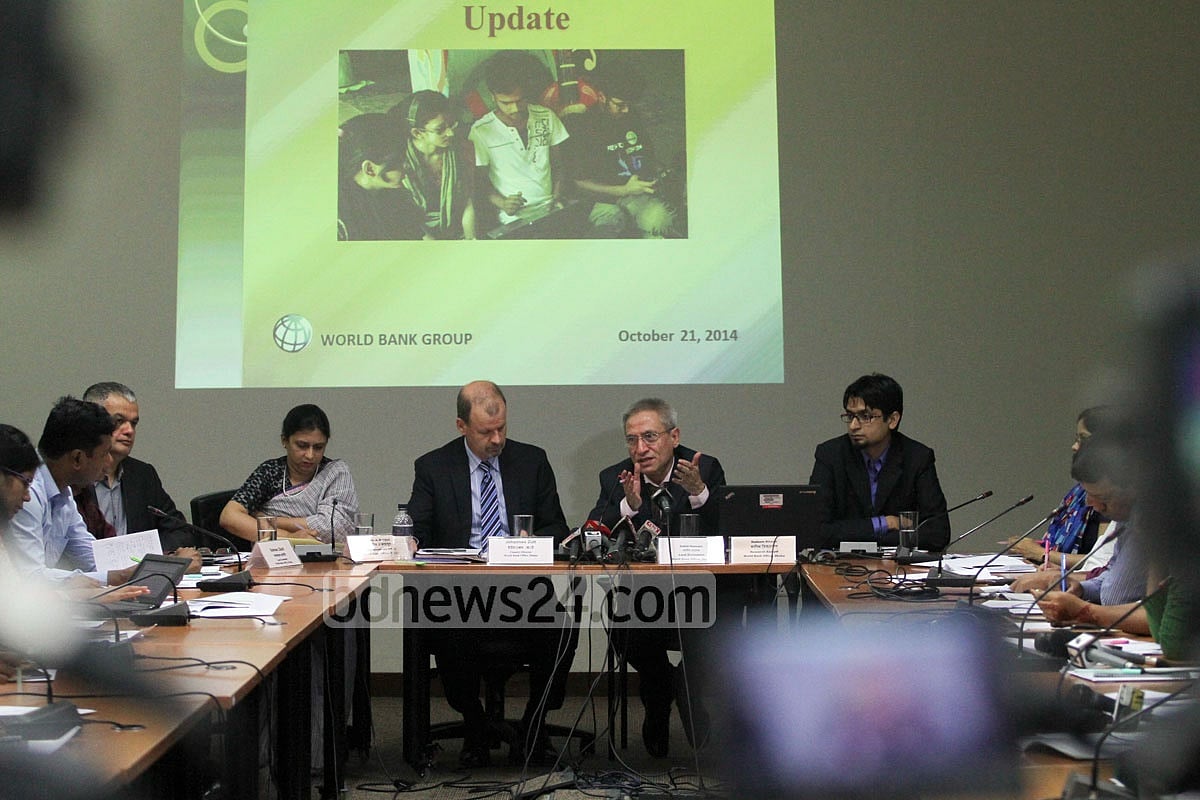
The evaluation of the global lending agency came out loud and clear in its report ‘Bangladesh Development Update’ published on Tuesday.
The World Bank expressed fear of political uncertainty in the days to come.
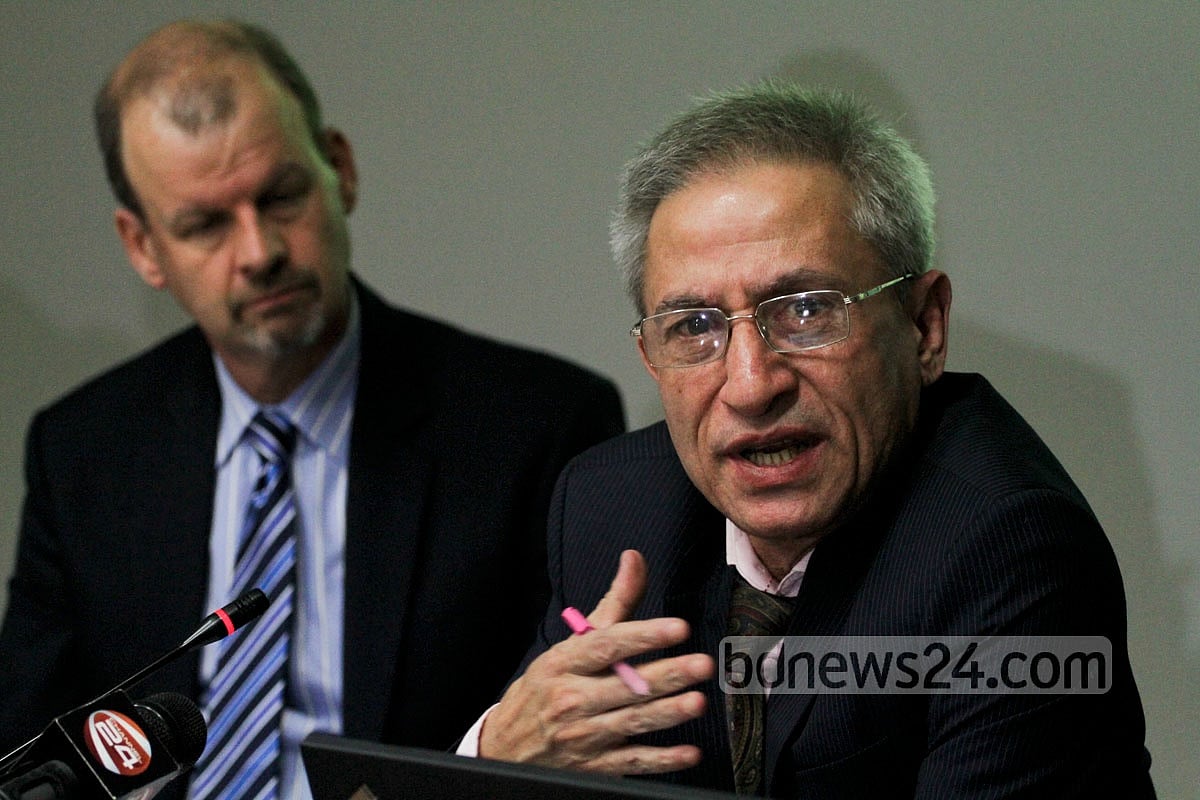
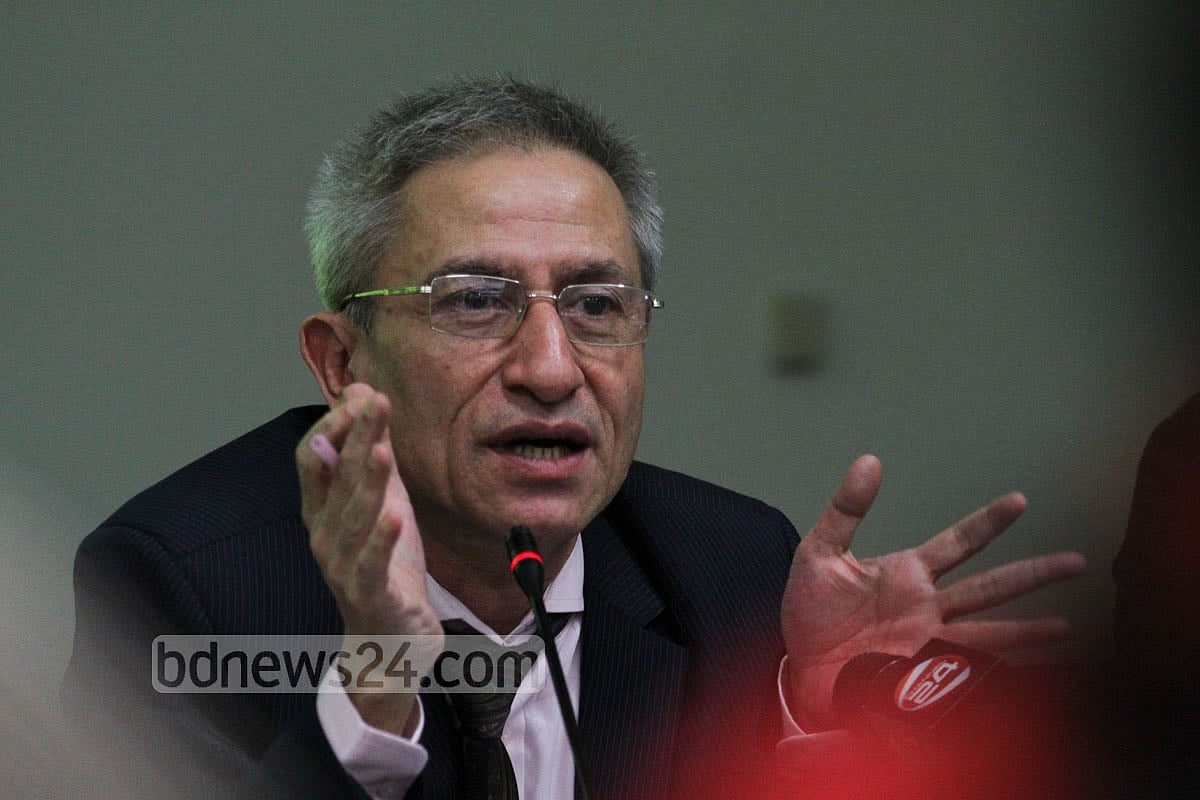
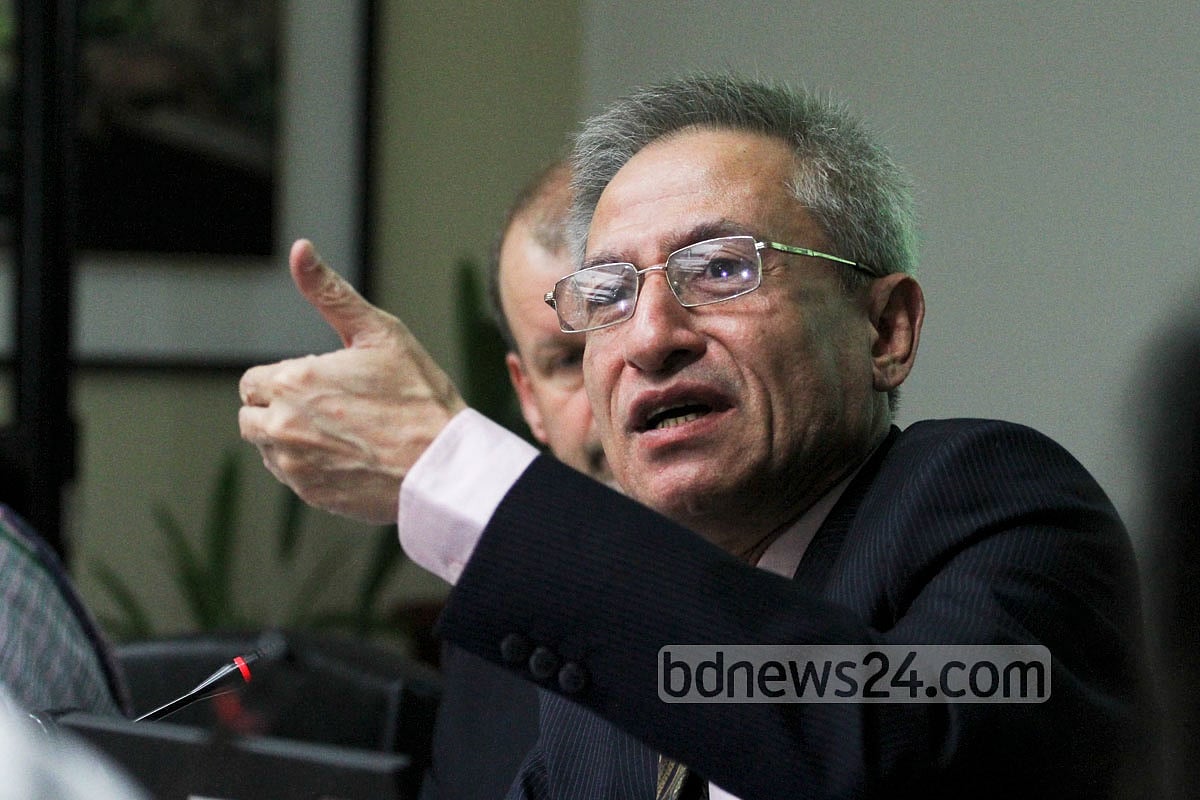
Its Bangladesh office Chief Economist Zahid Hossain presented different aspects of the report at a press conference in Dhaka on Tuesday. The agency’s Country Director for Bangladesh Johannes Zutt was present at the press meet.
The Washington-based lender observed that Bangladesh performed well in poverty eradication, human resources development and manpower export.
Though it praised the developments in power and gas sector, it expressed dissatisfaction over progress in transport and communications.
After the World Bank scrapped its plan to finance the Padma bridge project, it advised the government to finish the project work promptly.
The agency forecast 6.2 percent GDP growth in the current 2014-15 fiscal year, but feared an increase in food inflation.
Evaluating the overall economic condition, Hossain said: “Bangladesh is advancing, but at a pace, which is less than its potential.”
“Development has taken place in power and gas sector. But no development has taken place in road communications. Travel from Dhaka to Chittagong is now taking more time than it would take a year back.”

Progress in poverty reduction
The World Bank in its report has said Bangladesh's “poverty incidence is projected to decline to 24.47 percent by 2014”.
Data with the national statistical agency, the Bangladesh Bureau of Statistics (BBS), says 57 percent people were living under the poverty line in 1990 while the rate came down to 31.5 percent in 2010.
It is 3 percentage points higher than the UN's Millennium Development Goals (MDGs) target of 28.5 percent to be achieved in 2015.
Only two days earlier, claiming only 26 percent of the country's population was currently below poverty line, Finance Minister AMA Muhith anticipated poverty to reduce to half of the current level by 2021.
He also hoped the country would be poverty-free in 2030.
The World Bank report also praised Bangladesh's progress in human resources development.
According to the UN Human Development Report 2014, Bangladesh graduated from Low Human Development (LHD) category to Medium Human Development (MHD) category in 2013.
The report said total domestic employment increased from 51.9 million in 2010 to 56.5 million in 2013.
Increase in manpower export is contributing to curbing unemployment rate in the country, said WB's Bangladesh office Chief Economist Zahid Hossain.
Growth 6.2 percent
The government's GDP growth target rate in the current fiscal was 7.3 percent. The World Bank had projected less growth but sounded happy with it.
In 2013-14 FY, Bangladesh’s economy grew at a rate of 6.1 percent. But the bank says political stability since January, increase in remittance inflows, expected recovery in exports, and a buoyant consumption demand than last year, bodes well for growth in the current FY, which is projected at 6.2 percent.

The report projected 3.3 percent agricultural growth, 9.5 percent in the industries sector and 6.1 percent in the service sector. It also said remittance growth would increase to 6.7 percent.
The 6.2 percent growth projection was 'satisfactory', said Zahid Hossain, but added, "Taking the growth rate to 7 percent is impossible without increasing investment."
The rate of investment would have to be increased to 34-35 percent of the GDP from 28 percent to reach the 7 percent mark, he said.
However, Asian Development Bank had predicted a 6.4 percent growth for the Bangladesh economy, dismissing the government’s 7.3 percent growth target for the current fiscal.
The finance minister is hope to attain the 7.3 percent GDP growth rate and bring down inflation rate under 7 percent.
The World Bank in its Bangladesh Development Update said, "Overall macroeconomic stability maintained though inflation is still high. Inflation increased to 7.4 percent in FY14 from 6.8 percent in FY13, driven by food price increases."
But non-food inflation declined due to weak domestic demand, stable exchange rate and reduced broad money growth.
Zahid Hossain said, "The foreign currency reserve now stands at $22 billion. This is highly satisfactory. This reserve can pay for the import costs in more than six months."
Politics still poses risk
The World Bank is happy with the current stable political situation in the country, but it is concerned by the uncertainty that this will continue.
It says political uncertainty may slow down the acceleration of private investment and growth as well as increase inflation and put pressure on the foreign reserves.
It cautioned that problems in the readymade garment sector may affect the export in the European markets.


The World Bank has urged the government to implement the measures planned to develop the sector and the working environment.
It also warned the government that the financial sector may face risks due to the deteriorated conditions of the state-owned commercial banks.
The World Bank has also advised the government to hasten the Padma Bridge project which has stalled for two years after the donor agency refused to fund it.
Apart from that, it in the report said priority should be on speedy completion of four other projects - Dhaka-Chittagong and Dhaka-Mymensingh highways, double tracking of Dhaka-Chittagong rail lines, Dhaka metro rail and the two Bibiyana gas field-based power plants.
The World Bank officials at Tuesday's press briefing said the bank had given $6.6 billion to fund 36 projects in the country.