Published : 09 Feb 2026, 07:24 AM
Updated : 21 Aug 2026, 03:08 PM


In barely a week, a newly elected government will assume office in a transformed Bangladesh -- burdened by intense public expectation and an economy on the edge. While challenges loom across political, social and diplomatic fronts, the most urgent test will be restarting a stalled economic engine.
As the country reaches the final stage of democratic transition after the student-led Uprising that ended Sheikh Hasina’s rule, a single question dominates debate: can the next government navigate an economy weakened by years of policy failures and institutional decay?
The interim administration led by Muhammad Yunus spoke frequently of reform. Beyond preventing further collapse, however, little structural progress was made.
Instead, the incoming government inherits an economy marked by eroded investor confidence, a fragile banking system and worsening law and order.
Even before settling in after the Feb 12 elections, the new administration faces a punishing triad: taming persistently high prices, repairing a damaged financial sector and stabilising foreign exchange reserves.
Economists say immediate action will be crucial -- restoring public security, curbing extortion and rebuilding trust. Without dismantling entrenched bureaucratic inertia and breaking from business as usual, analysts warn, the economy risks sliding into greater danger.
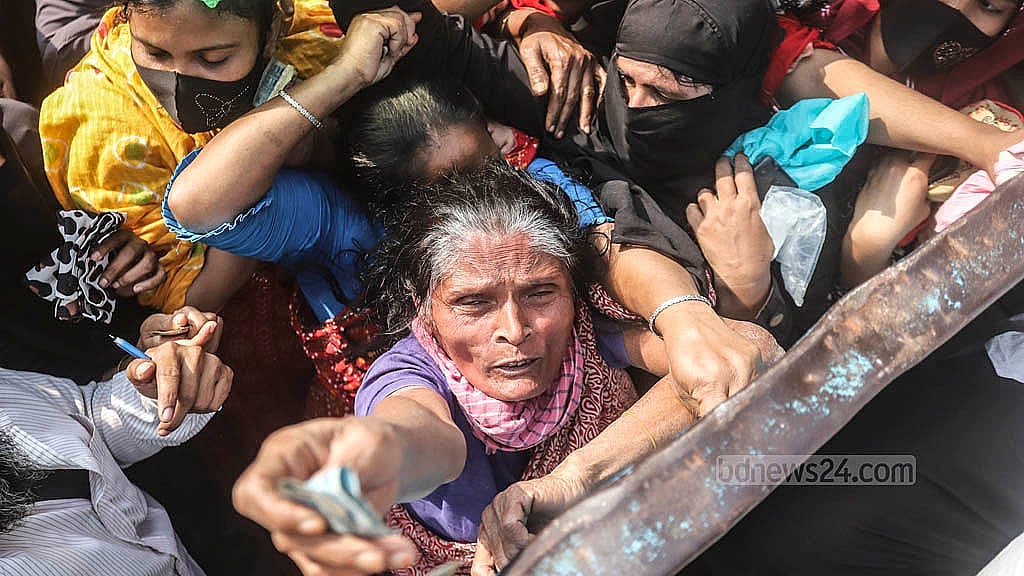
Economist KAS Murshid says the path forward depends on whether the new government can act decisively from day one.
“We have followed a business-as-usual path for far too long,” he said. “If we truly want a new trajectory, bold action must be visible immediately.”
Failure to win public confidence early, analysts caution, would only deepen the crisis.
WHERE DOES THE ECONOMY STAND?
The legacy of “corruption” and “mismanagement” during the Awami League’s rule is now stark. Massive loans -- taken in real and proxy names and largely siphoned abroad -- have left banks starved of liquidity.
For years, these wounds were swept under the carpet. While the interim government released some data, the full scale of failure it leaves behind may take far longer to surface.
Analysts say restricted data flows, concealment and selective manipulation crippled effective policymaking.
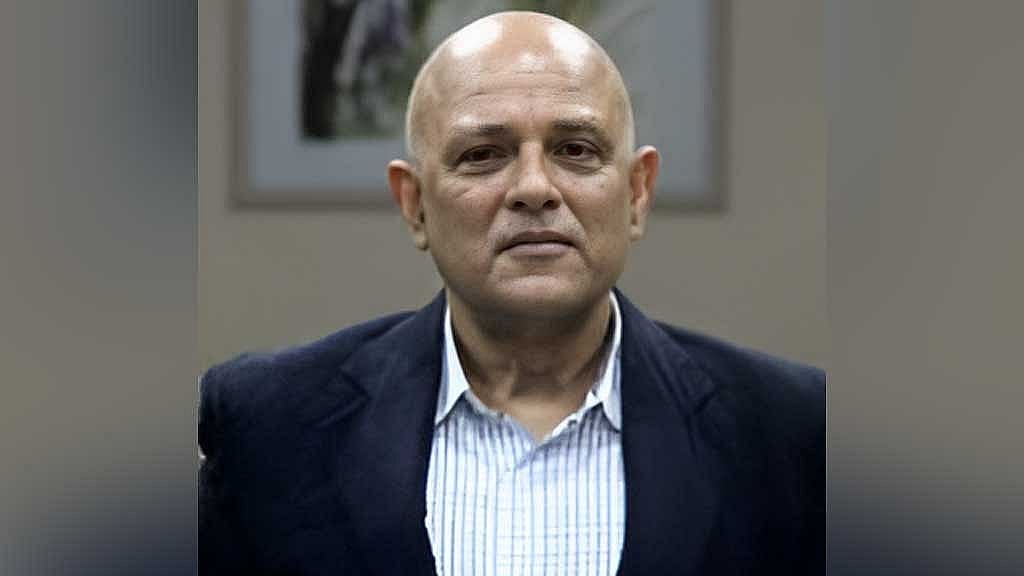
Yet there is a glimmer of hope. With the likelihood of a stronger opposition in the next parliament, Minhaj Mannan Iman, a director of the Dhaka Stock Exchange (DSE), believes a healthier democratic balance could help the economy recover.
Still, he warns this could complicate policymaking.
“Whichever party comes to power will face a strong opposition. That will make governance more challenging,” he said.
In numerical terms, the interim government leaves little to celebrate beyond tentative stability in reserves and the banking sector.
By the end of the Awami League’s tenure, efforts to prop up the exchange rate and large-scale capital flight had drained dollar reserves to historic lows.
After the government’s fall on Aug 5, 2024, remittance inflows rose, and export earnings improved, increasing dollar supply.
As a result, reserves -- hovering around $18 billion -- climbed to $25 billion under the IMF’s BPM6 methodology, while gross reserves exceeded $30 billion.
But the shift to a market-based exchange rate exposed a deeper fragility. As the taka weakened by nearly Tk 30 against the dollar, imports slowed sharply. Export momentum, too, proved fragile.

For six consecutive months, earnings from goods and services exports fell year-on-year. In the first seven months of the fiscal year, total export income declined 1.93 percent, compared with 11.68 percent growth over the same period in FY2024–25.
Imports tell a similar story. Import LC settlements stood at $5.81 billion in December -- 6.14 percent lower than a year earlier. Declines of over 10 percent were recorded in November and October.
Together, the figures point to an economy under strain --not from overheating, but from weakening demand and shaken confidence.
Remittances remain a rare source of optimism. Inflation, another key indicator, briefly showed signs of easing -- only to flare again.
Tight monetary policy curbed money supply through higher lending rates, but years of elevated inflation proved stubborn. After falling gradually, inflation rose again for two consecutive months, reaching 8.49 percent in December.
Private investment has sunk to rock bottom. High interest rates and worsening law and order have crushed business confidence, pushing unemployment to record levels.
In December, private-sector credit growth fell to 6.10 percent -- the lowest in two decades.
Development spending paints an equally bleak picture. In FY2024–25, only 67.85 percent of the revised Annual Development Programme (ADP) allocation was spent -- nearly 13 percentage points lower than the previous year, the weakest performance on record.

The pattern continues in FY2025–26. In the first six months, just 17.5 percent of allocations were utilised -- lower than in any of the past four fiscal years.
Foreign financing offers no relief.
Despite promises of a surge in external loans, investment and grants, disbursements in the past six months fell 29 percent year-on-year. New commitments totalled $1.99 billion, down more than 13 percent.
Minhaj Mannan is blunt: “Given the state the previous government left the economy in, it was hoped the interim administration might recover some ground. They stabilised banks slightly, but beyond that, there is no good news.
“Debt, the value of the taka, inflation -- nothing improved. Businesses saw no incentive. Capital machinery imports stopped. The economy is effectively frozen.”
THE ROAD TO RECOVERY
Economists agree that despite headline growth over the past 15 years, meaningful reform never took place -- especially in tax, trade and fiscal policy.
The result is a structurally weak economy. Bangladesh’s tax-to-GDP ratio remains among the lowest globally, making development unsustainable under such a “sick” revenue structure.
Zaidi Sattar, chairman of the Policy Research Institute, says deep reform is unavoidable.
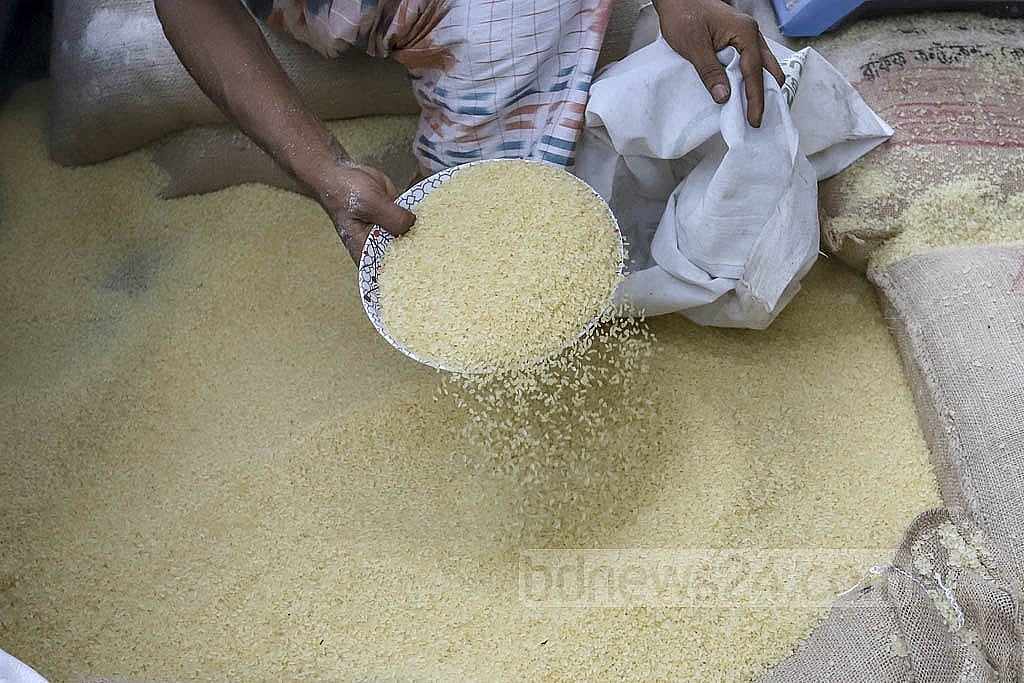
“If the new government truly wants to turn the economy around, several fundamental reforms are now essential.”
He adds, “Our tax net is small, but tax rates are very high. Everywhere you look, rates are excessive. The system itself is broken.
It hurts taxpayers, frustrates collectors, and raises serious questions about competence and policy. Without reform, the burden only deepens. A new approach is needed -- and it must begin immediately.”
Former World Bank consultant Sattar says the tax regime actively repels foreign investors.
“No foreign investor wants to come under this system. Those who did are complaining -- officials suddenly claim you owe millions. It’s false.
Then comes the pressure for bribes. That is why tax reform is unavoidable.”
He describes Bangladesh’s investment climate as “very poor” and warns that rigid trade policy makes diversification beyond garments nearly impossible.
Former BIDS director general Murshid stresses restoring confidence through law and order.
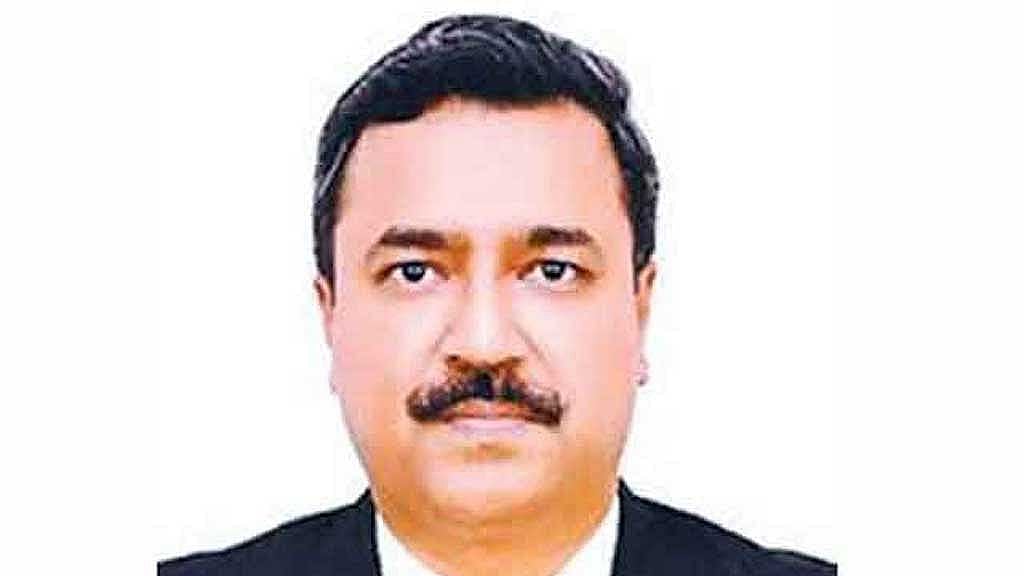
“The new government must act on multiple fronts at once. The first task is restoring balance.
“Confidence is essential for investment -- and that requires immediate, strong action on law and order and extortion. Delay will only make things harder.”
In Murshid’s view, credibility must precede growth. The government must send a “strong signal” of good governance from day one.
“It is vital for the economy, politics and stability. We expect that signal. How far they can deliver remains to be seen.”
He argues agriculture deserves equal priority alongside business, calling both sectors “in crisis”.
“Ultimately, the bottom line is job creation -- and strengthening poverty reduction efforts.”
Mannan echoes the call for credibility.
“The people must see the government as honest and sincere. Only then will they give time and support.
“Saying one thing and doing another -- standing beside loan defaulters or market looters -- will destroy trust.”
For the next government, credibility is not a slogan but a prerequisite. The message, he says, is simple: words and actions must align.
WHAT NEW GOVERNMENT MUST DELIVER
Mannan believes the next administration must also grasp Bangladesh’s place in a complex global power equation.
“If any government fails to fix the economy, Bangladesh itself will be in danger.
“The world no longer sees Bangladesh as before. Global politics now shape its fate -- and failing to navigate that will be another major challenge.”
Murshid agrees: “Our problems are basic and easy to identify. The real challenge is breaking free from business as usual.”
Sattar’s prescription is blunt: cut taxes, revive trade, curb inflation fast, grant greater independence to Bangladesh Bank, improve fiscal–monetary coordination -- and form a high-level economic policy council.
Only then, economists say, can Bangladesh hope to turn the crisis into renewal.