Published : 26 May 2026, 03:45 AM
Updated : 21 Aug 2026, 03:47 PM


The BNP government has expressed interest in replacing the International Monetary Fund (IMF) loan agreement signed under the Awami League administration with a fresh programme tailored to present economic conditions.
Officials told the IMF that the earlier deal was struck in a “different economic context” and no longer reflects present realities in Bangladesh.
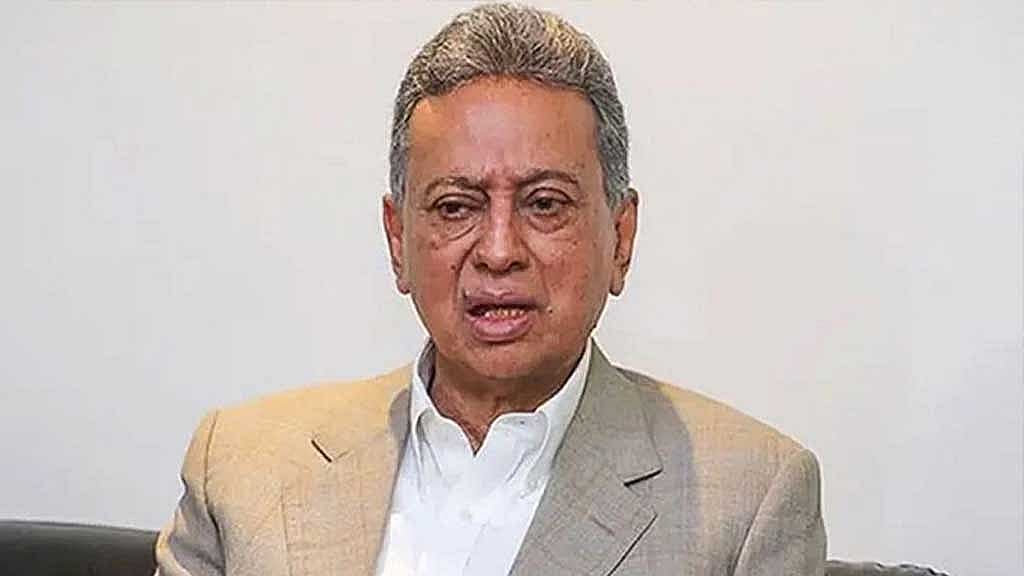
Finance Minister Amir Khosru Mahmud Chowdhury conveyed the proposal during a virtual meeting on May 21 with IMF Deputy Managing Director Nigel Clarke, who welcomed the initiative.
On Monday, the finance ministry said Khosru reaffirmed Bangladesh’s commitment to macroeconomic stability and structural reforms.
However, he noted that the existing IMF programme was designed under “different economic and policy conditions” and that evolving domestic realities, political economy constraints and global uncertainty had made implementation of some reform conditions “challenging”.
“We do not want to move away from reforms; rather, we are interested in implementing them gradually and realistically in line with the country’s circumstances,” the minister said.
The ministry said discussions also covered the possibility of a “new IMF programme” under the newly elected government, potentially spanning three years and focusing on “prioritised” and “implementable” reforms in a phased manner.
Clarke reportedly welcomed Bangladesh’s reform efforts.
Bangladesh originally signed a $4.7 billion IMF loan in early 2023 under the Awami League government to address foreign exchange pressures. The package was later expanded by $800 million to $5.5 billion.
So far, Bangladesh has received $3.64 billion in five instalments, while $1.86 billion remains pending. The sixth tranche was due in December last year.
The IMF has said the remaining funds will be considered only after discussions with the elected government and progress on agreed reforms, which have lagged in areas including revenue mobilisation.
In recent months, Bangladesh has also explored fresh IMF support amid energy sector pressure and foreign exchange shortages, though negotiations over structural reforms have remained difficult.
Officials said talks in Washington at the IMF-World Bank annual meetings did not produce breakthroughs, despite continued engagement.
The latest shift comes days after the finance minister publicly questioned whether IMF conditions were fully suitable for Bangladesh’s economy, signalling growing friction over reform demands.
With discussions now moving toward a new framework, both sides appear to be converging on a more “realistic and implementable” programme designed to balance reform ambitions with domestic constraints.