Home
+

Published : 01 Apr 2016, 05:33 PM
A tough-sounding Industries Minister Amir Hossain Amu in February gave the tanners until Mar 31 to move to the Savar Tannery Park, and said raw hides would not be allowed to enter Hazaribagh from Apr 1.
With the deadline over, police were deployed at four entry points to Hazaribagh on Friday morning, said OC Mir Alimuzzaman of Hazaribagh Police Station.
“We also are keeping an eye so that raw hides cannot enter the area by any other means,” he told bdnews24.com.
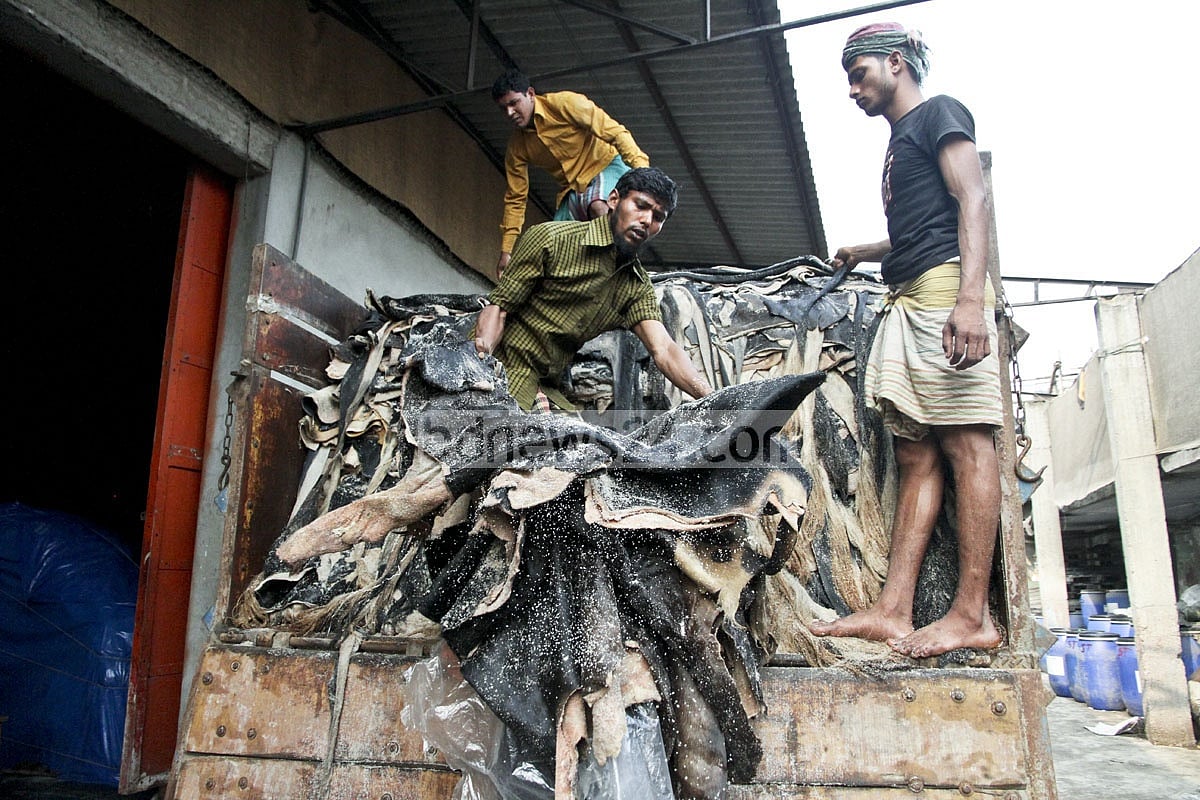
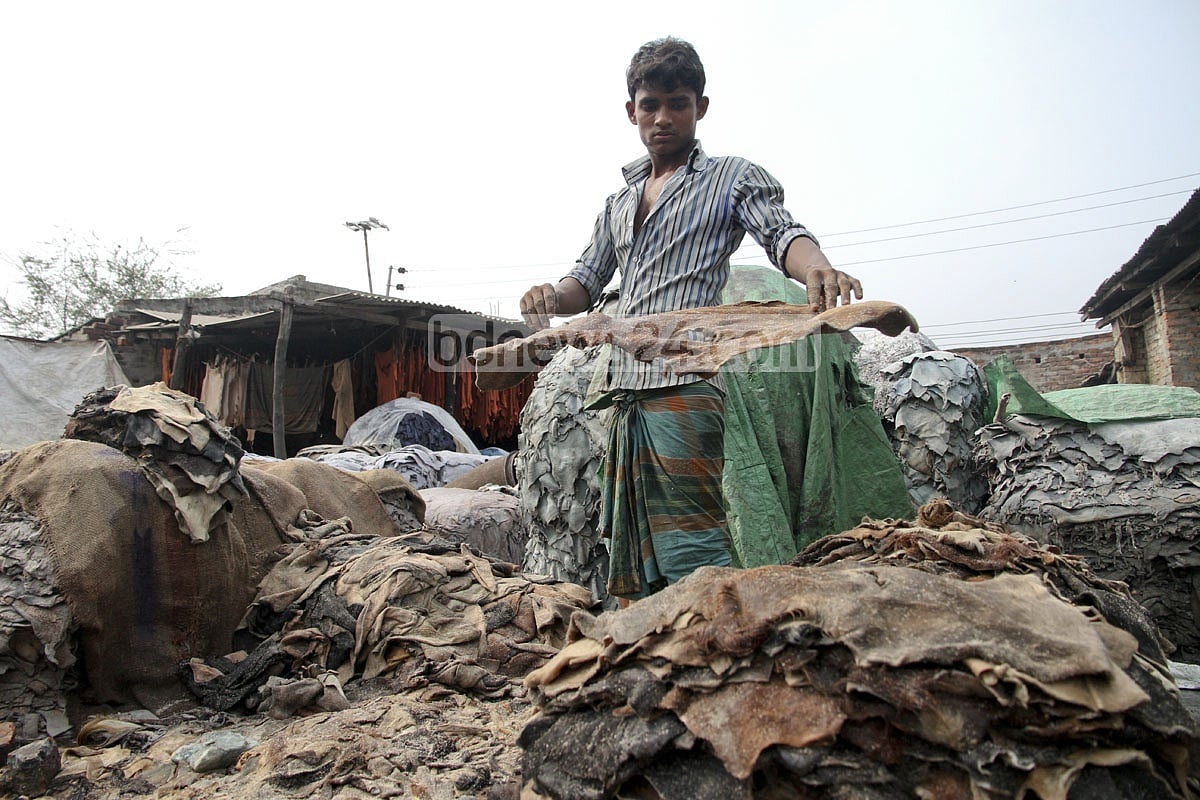
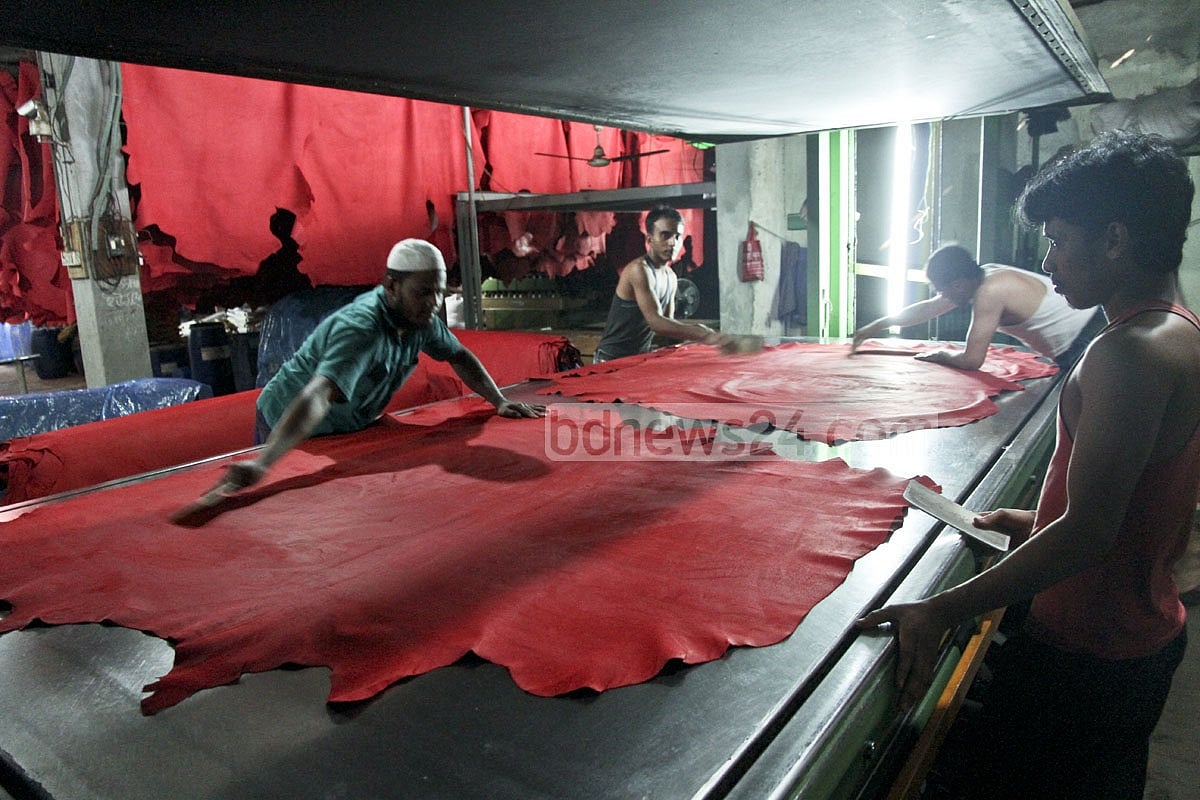
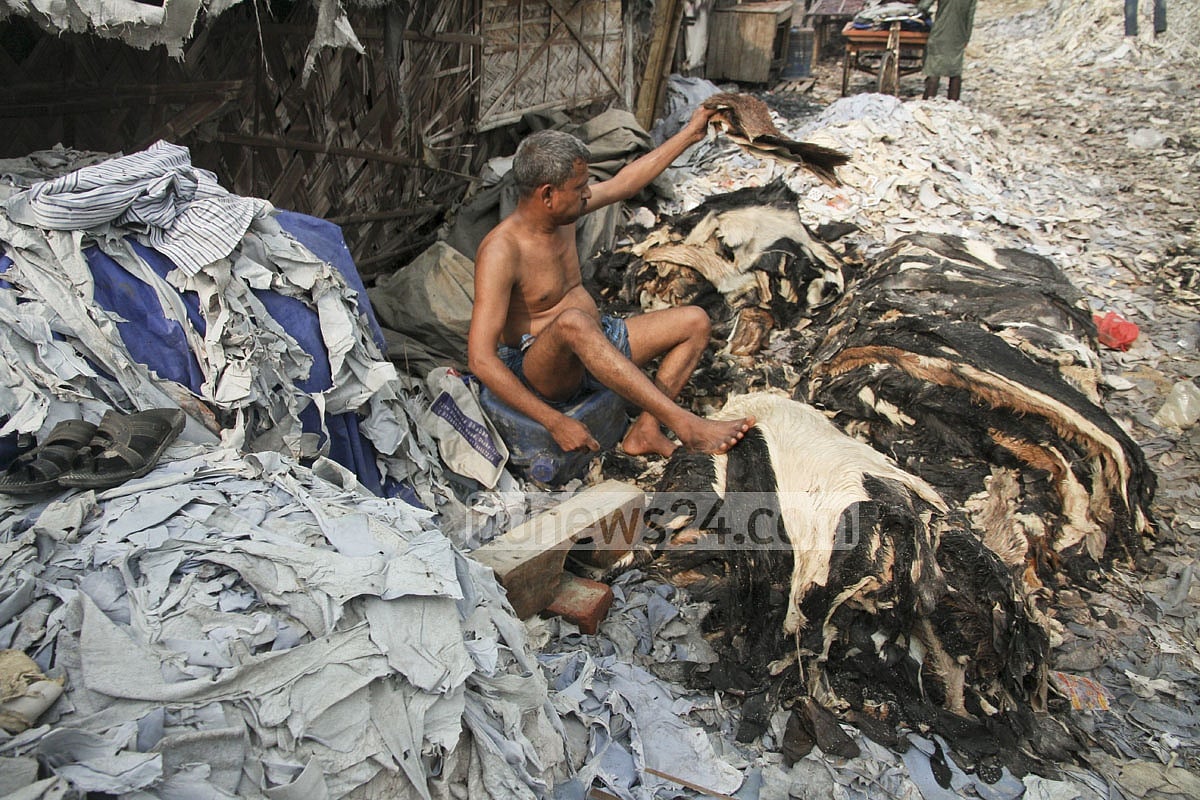
But there were a few places where workers were found processing raw hides but no official was to be found.
A worker said they had been stockpiling the raw materials for about a month ago so that they could use them now.
Police were patrolling the area to stop raw hides supply to the units, the workers said.
The first tanneries in the country were set up in Narayanganj in the 1940s but were moved to Hazaribagh around a decade later as the industry was quickly expanding.
Despite a huge commercial success, the industry was identified by the government as the ‘most polluting’ industrial sector in 1986.
On Aug 7 that year, a gazette was published to adopt measures to control their pollution, and to ensure that no new tanning factories are set up without proper equipment to control pollution.
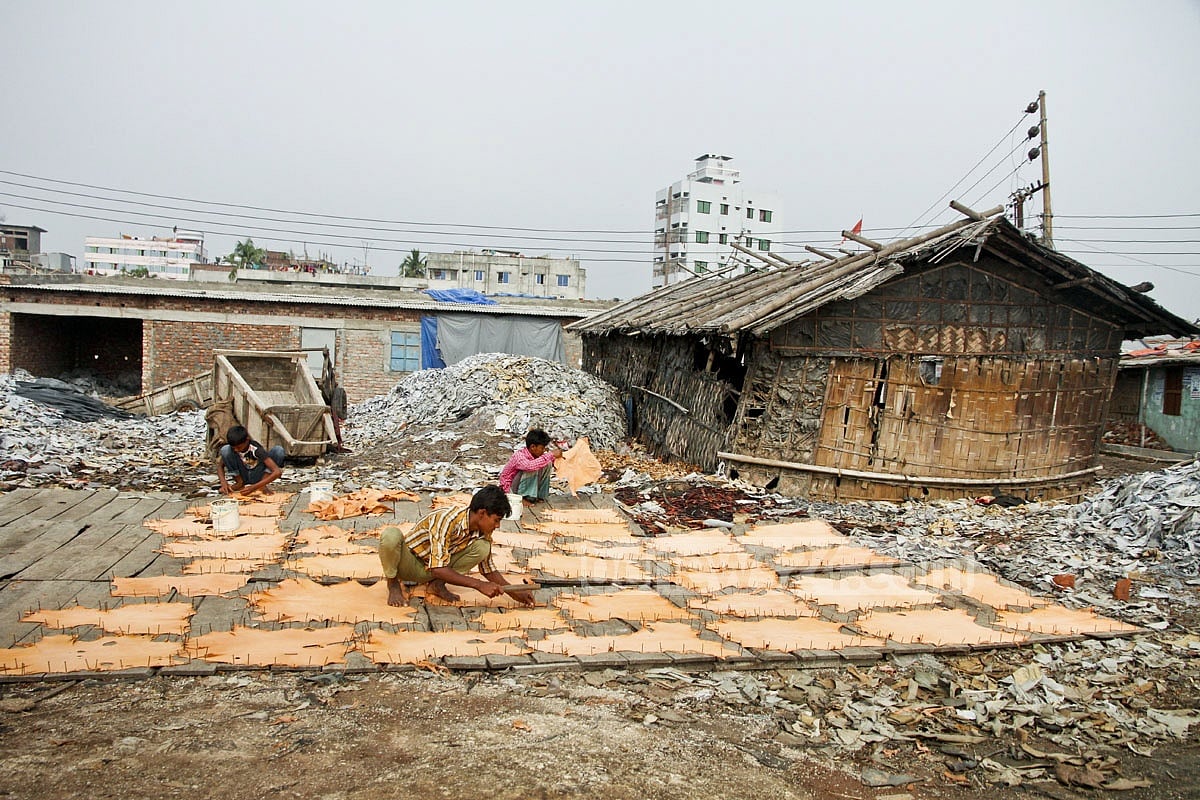
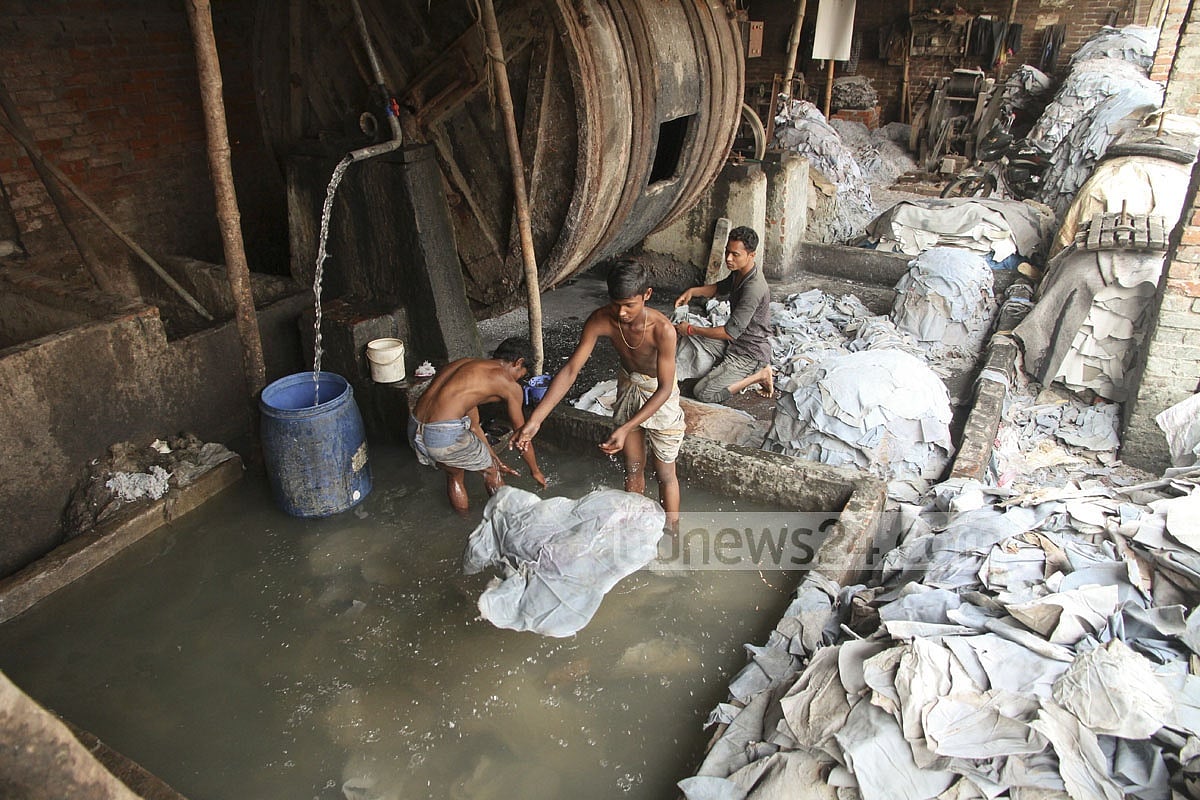
The construction of the park was approved by the Executive Committee of the National Economic Council in August 2003 but it has not been completed even now.
Though the tanners were initially ordered to move there by June 2015, the deadline was postponed quite a few times as the Central Effluent Treatment Plant (CETP) in Savar was not fully set up.
The CETP partially came into operation in January this year.
The owners of 155 tanning factories in Hazaribagh, in the meantime, were asked at least on 20 occasions to shift to Savar.
Twenty-eight of the owners were served legal notices in January and 10 owners were summoned by the High Court on Mar 23 for disregarding the court order to relocate.
Tanneries dump dye and chemicals into a sewer that feeds into the Buriganga river, Dhaka City’s main river and water supply.
Bangladesh exports both raw leather and finished leather products such as luxury leather goods but mostly footwear, including high-end fashion shoes.