Published : 03 Mar 2026, 07:30 AM
Updated : 28 Aug 2026, 01:32 AM


The Bangladesh government has begun evaluating alternative energy sources following Iran's closure of the Strait of Hormuz, a critical maritime artery for the country’s fuel and liquefied natural gas (LNG) imports.
The closure, announced on the second day of the conflict involving Iran, the US, and Israel, triggered a 10 percent surge in global oil prices.
State agencies -- Petrobangla and Bangladesh Petroleum Corporation (BPC) -- are now scrutinising supply pipelines as industry leaders express concern over potential economic shocks.
While shipping and trade officials noted that most non-fuel export-import routes do not rely on this specific passage, the impact on energy is direct.
Most of Bangladesh's crude oil and LNG originates from Middle Eastern countries that must traverse the Persian Gulf gateway.
Petrobangla Chairman Md Erfanul Haque told bdnews24.com that while most scheduled LNG cargoes have already cleared the strait, uncertainty remains for upcoming shipments.
"Out of nine scheduled LNG cargoes, seven have already passed the route. There is slight concern regarding the remaining two. If they cannot pass, we must look for alternative sources," he said, adding that suppliers have already been contacted for contingency options.
Despite the tension, BPC officials said current stocks of crude and refined oil are sufficient to prevent an "immediate crisis”.
AKM Azadur Rahman, BPC director (trade), said, "We have secure stocks for the next two and a half to three months. We also import refined oil from other countries via different routes under contracts valid until June."
Economist KAS Murshid warned that while immediate disaster is unlikely, a prolonged conflict would be devastating.
"Oil is the biggest factor here. The market will become volatile, damaging other economic indicators. This underscores the urgent need for larger strategic fuel reserves," the former Bangladesh Institute of Development Studies (BIDS) director general said.
Commerce Minister Khandakar Abdul Muktadir also urged calm, saying there is currently no reason for panic regarding essential commodities or fuel.
"If the situation normalises within a few days, we will return to stability. We are monitoring how the situation evolves," he told reporters at the Secretariat on Monday.
Why The Strait Of Hormuz Matters
The Strait of Hormuz has returned to the global spotlight following warnings from Iran’s Revolutionary Guards that shipping may be halted.
Analysts have long warned that any disruption to this maritime artery could trigger chaos in global energy markets.
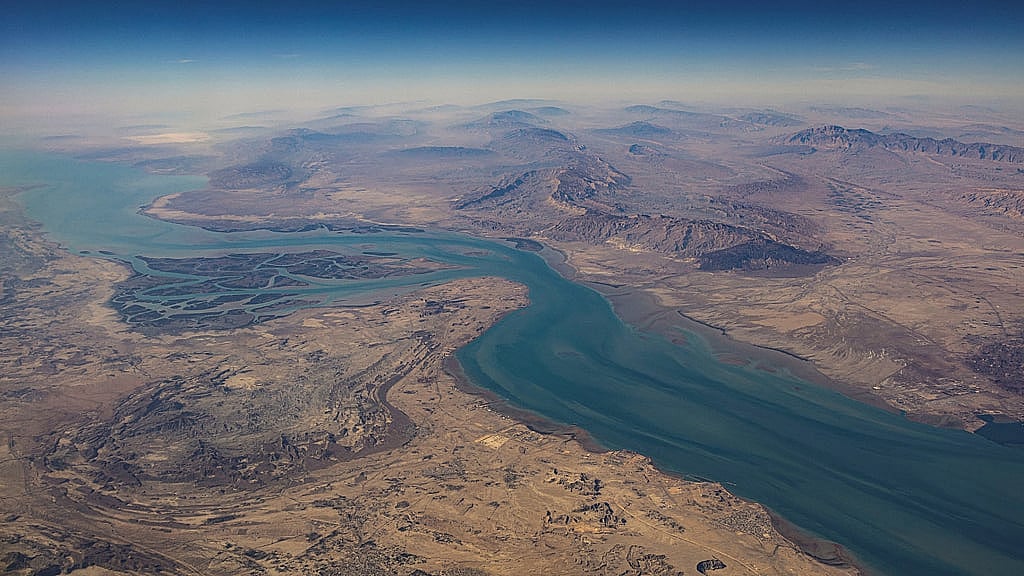
The strait’s significance is rooted in its unique geography.
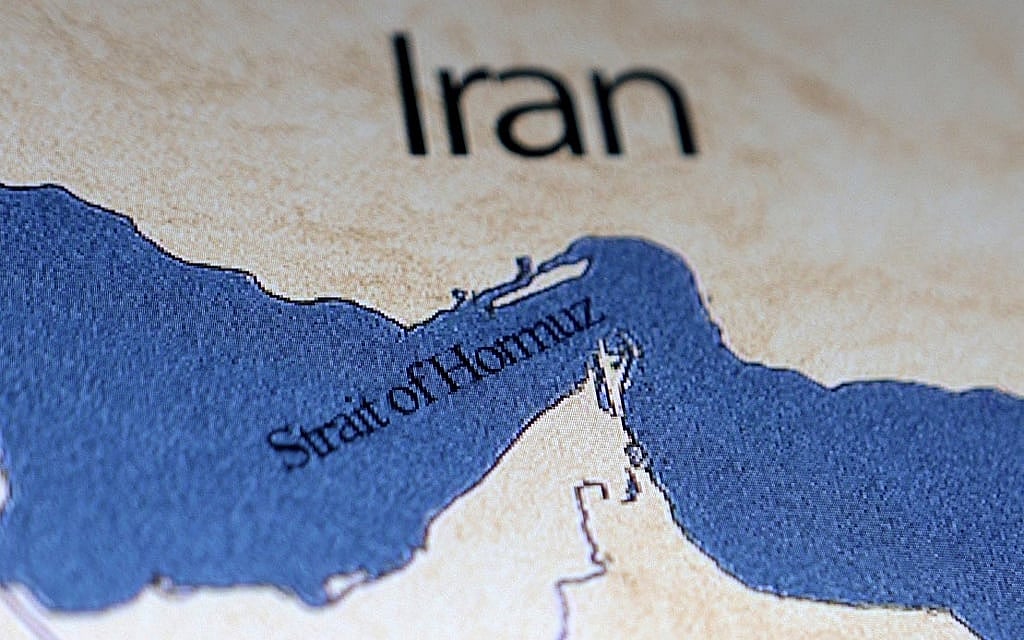
Flanked by Iran to the north and Oman and the United Arab Emirates to the south, the corridor is approximately 50km wide at its mouth, narrowing to just 33km at its thinnest point.
It serves as the sole link between the Persian Gulf and the Gulf of Oman, leading into the Arabian Sea.
This narrow passage is the lifeblood for Middle Eastern oil and gas producers and their global customers.
Approximately 20 percent of the world's oil consumption passes through the strait.
According to the US Energy Information Administration (EIA), an average of 20 million barrels of oil per day flowed through the passage in the first half of 2023 -- equivalent to roughly $600 billion worth of energy trade annually.
In addition to Iran, the strait is the primary export route for major producers including Iraq, Kuwait, Qatar, Saudi Arabia, and the UAE.
While Iran has frequently threatened to close the waterway during past conflicts, it has never previously followed through; however, observers note that the current escalation represents a significantly more volatile shift in regional dynamics.
Bangladesh’s Energy Reserves: How Long Can They Last?
Bangladesh requires approximately 7.5 million tonnes of fuel annually, met through crude oil imports from the Middle East and refined oil from Singapore, Indonesia, China, Malaysia, and India.
According to BPC officials, current stocks of diesel -- the country’s most consumed fuel -- are sufficient for 15 days.
This reserve is expected to grow as two crude oil tankers are currently en route to Bangladesh.
BPC Director Azadur provided a breakdown of other critical reserves:
Kerosene: 100 days
Furnace oil: 90 days
Octane: 20 to 25 days
While a prolonged conflict would inevitably impact global markets, Azadur noted that existing contracts for refined oil from non-Middle Eastern countries provide a buffer against an immediate crisis.
The outlook for LNG follows a similar contractual pattern.
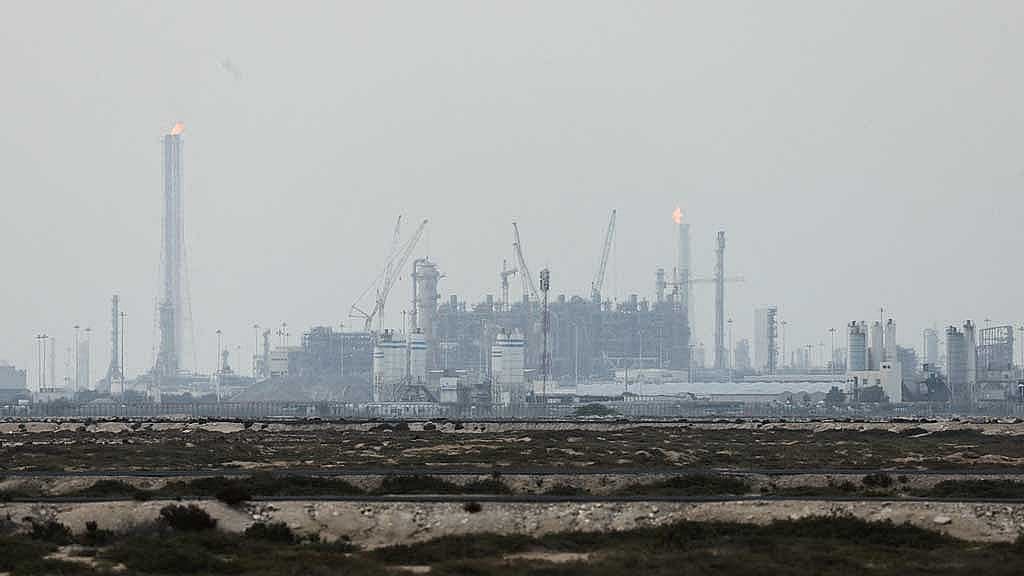
Petrobangla Chairman Erfanul highlighted a deal with US-based Excelerate Energy to supply 14 cargoes annually.
However, he noted a logistical nuance: "Suppliers do not always source from their home countries. For instance, Excelerate is a US firm, but they often source our LNG from Qatar."
While alternative sources such as Australia, Angola, and Malaysia exist, Erfanul warned that if Middle Eastern supplies are choked, a global rush toward these alternatives would trigger a sharp price hike.
To mitigate this, Petrobangla is currently "sensitising" suppliers to honour their contractual commitments.
The LPG sector faces similar vulnerabilities.
About 70 percent of the 1.7 to 1.8 million tonnes of LPG consumed annually in Bangladesh arrives from Middle Eastern nations like Qatar, Kuwait, and Oman.
Mohammad Amirul Haque, president of the LPG Operators Association of Bangladesh, confirmed that most of these shipments transit through the Strait of Hormuz.
"A long-term war will undoubtedly have an impact," he told bdnews24.com, "Though an immediate crisis is unlikely."
Beyond fuel: Impact on RMG, Trade
Leaders in Bangladesh’s primary export sector -- ready-made garments (RMG) -- maintain that while a closure of the Strait of Hormuz may not physically block their shipping routes, the indirect consequences could be severe.
An unstable energy market creates a ripple effect, driving up production costs and threatening export volumes.
Ashikur Rahman Tuhin, managing director of TAD Group -- which produces between 300,000 and 350,000 pieces of apparel daily -- explained that most RMG shipments already bypass the Strait.
Following recent maritime tensions and Houthi attacks in the Red Sea, many vessels have already diverted to the longer Cape of Good Hope route around Africa.
However, Tuhin warned that a spike in oil prices caused by the Hormuz closure would inevitably inflate the cost of raw materials, particularly synthetic fibres and fabrics.
"The pressure on the industry would be immense," he noted.
Drawing from past geopolitical crises, he added that a prolonged war would likely dampen consumer confidence in Europe and the United States.
"If buyers in our key markets reduce their spending due to global instability, our exports will take a direct hit," Tuhin cautioned.
Industry Perspectives: Stakeholders Weigh In
Khairul Alam Suzan, director of the Bangladesh Shipping Agents’ Association, told bdnews24.com that an unstable oil market would lead to an immediate hike in freight charges.
This, in turn, would ripple through the nation’s industrial, agricultural, transport, and power sectors, severely hampering production.
“The Strait of Hormuz is primarily a conduit for energy vessels, though a handful of essential commodities are also imported from the Middle East via this route. If shipping is suspended, fuel shortages and price hikes are inevitable,” Suzan said.
He warned that the surge in cargo vessel rates would ultimately be passed on to the general public, urging the government to diversify its fuel procurement markets immediately.
Government officials, however, remain cautiously optimistic.
Shibir Bicitro Barua, joint secretary (import and internal trade) at the commerce ministry, said the ministry does not foresee an immediate crisis but acknowledged the risks of a protracted conflict.
“We do not see cause for panic right now. However, if the war intensifies, concerns will naturally grow,” Barua said.
He added that the ministry is currently conducting a formal assessment to identify which import-dependent goods or markets would be hit first by the fallout.
Lessons For The Future
Economist Murshid has urged the government to draw critical lessons from the recurring vulnerability of energy supplies whenever tensions flare in the Middle East.
The former director general of BIDS argued that relying on day-to-day market fluctuations is no longer a viable strategy for national security.
“It is unwise to depend solely on the daily market. This is as true for food security as it is for energy. We must learn from this,” he said.
While noting that there is little to be done in the immediate term except wait, Murshid expressed hope that current stocks would cover the nation’s needs for at least a month.
However, he warned of broader logistical fallout if the Strait of Hormuz remains closed.
Beyond fuel, he anticipates a total disruption of food and medicine exports to the Middle East.
Exporters and importers alike would be forced to seek alternative, more expensive routes, further straining the economy.
“We were already navigating a period of economic strain. Falling into another crisis before we could fully recover from the last one is a major concern,” Murshid noted, warning that a protracted war would inevitably stoke inflation across all sectors.