Published : 20 Oct 2025, 09:09 AM
Updated : 21 Aug 2026, 02:36 PM


The devastating blaze at Shahjalal International Airport’s Cargo Village in Dhaka may cause financial losses many times greater than the value of the goods actually destroyed, according to exporters.
Among the burned consignments was a shipment of lace worth only $500 belonging to apparel exporter Fazle Shamim Ehsan of Fatullah Apparels. But his eventual losses, he says, will exceed $16,000 once replacement costs, freight charges, and order penalties are factored in.
“I only had $500 worth of lace in the cargo village,” Ehsan said. “But those laces were meant for 15,000 T-shirts worth around $105,000 in total. Now I’ll have to bring them again from abroad.
"If I fly them in to meet the deadline, it’ll cost me $15,000–$16,000 more. If I delay, I’ll have to give a 20 percent discount to the buyer. So is my loss $500 or $16,000?” he asked.
Ehsan, who exports over $20 million worth of garments annually, said his immediate production costs do not even include additional overtime or material expenses needed to remake the lost order.
He also fears the blaze could cost him future business. “Samples for my next order arrived through the same shipment. If they’re gone, my buyer might give the order to India or Vietnam instead,” he said.
“Buyers send the same sample to multiple suppliers and whoever delivers first and quotes best gets the order. If I don’t get my sample, I’m out.”
“This is a massive impact,” Ehsan said. “You may think the loss is just $500, but in reality it’s hundreds of times more. The airport for our export sector is like an ICU, you can’t let it fail.”
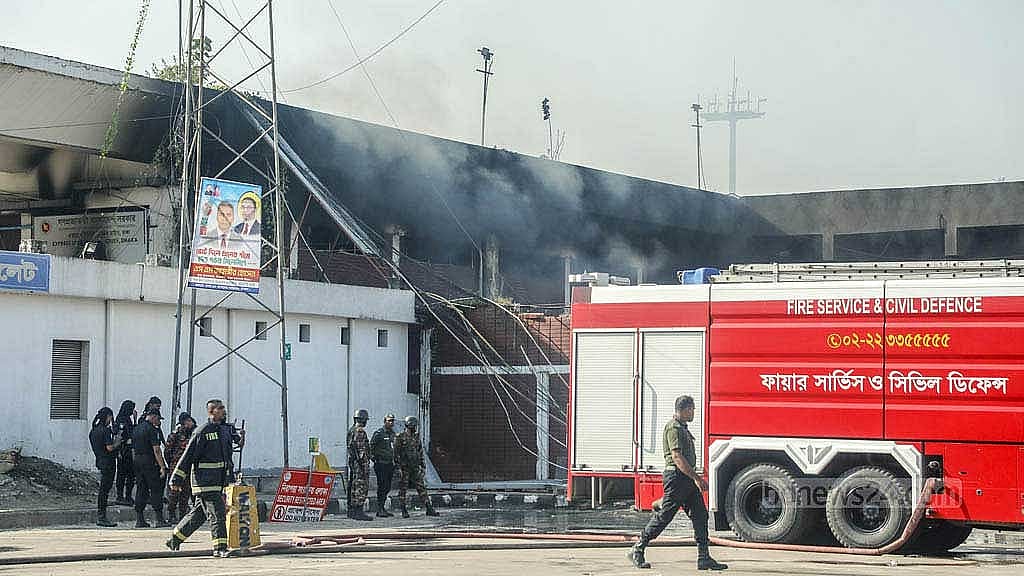
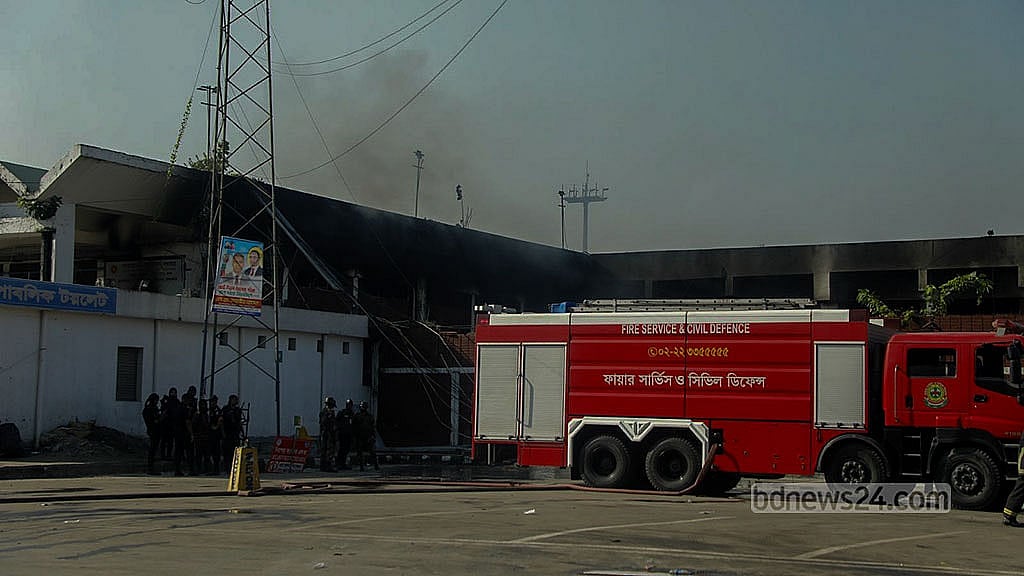
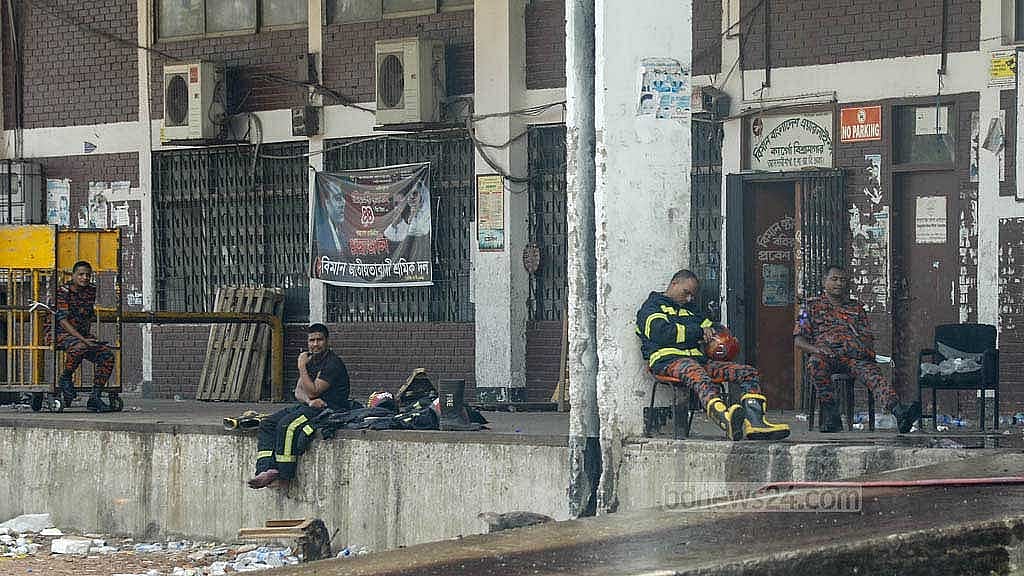
The fire, which broke out on Saturday afternoon, burned for more than seven hours before 37 Fire Service units brought it under control. It was completely extinguished after 27 hours.
After visiting the charred cargo complex, Inamul Haque, senior vice president of the Bangladesh Garment Manufacturers and Exporters Association (BGMEA), described “total devastation” in the import section.
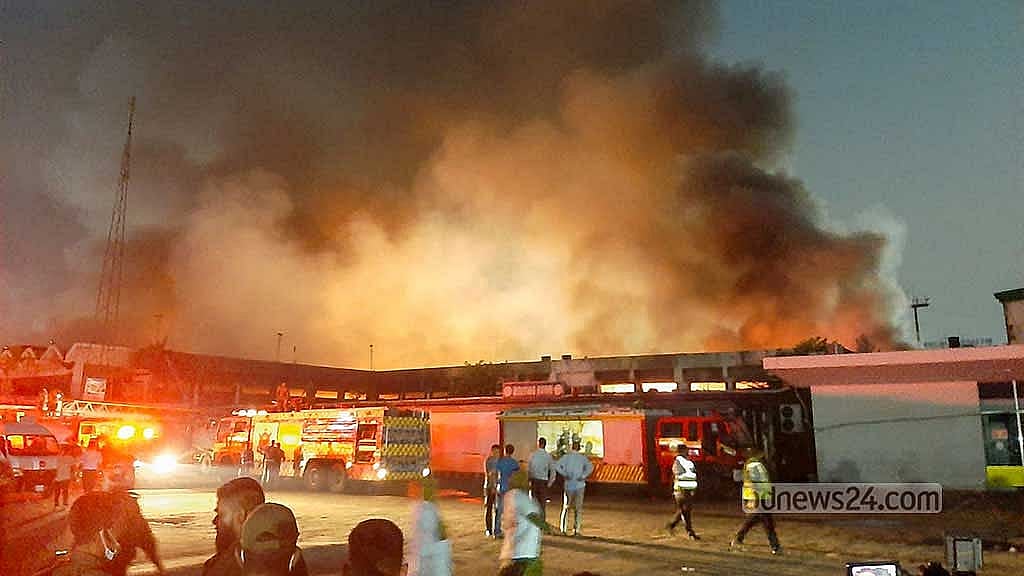
“We went inside, it’s completely destroyed,” he told reporters on Sunday. “The entire import section has burned down. It may take 15 days to a month to restore operations.”
The Internal Resources Division and the Ministry of Civil Aviation and Tourism have each launched separate investigations into the incident.
Exporters now warn that while the visible loss involves a few million dollars in burnt goods, the real economic damage -- from disrupted orders, missed deadlines, and lost client confidence -- could run hundreds of times higher.
"MAJOR LOSSES" IN PHARMA
Air transport plays a crucial role in the fast-paced delivery of urgent or special shipments, such as garment samples. International courier services depend significantly on Cargo Village for these operations.
The fire could cause severe losses for the pharmaceutical industry. Many pharmaceutical companies import raw materials and essential supplies by air.
Officials noted that shipments of insulin, cancer medications, and vaccines -- critical to public health -- arrive via air. Cargo Village’s temperature-controlled facilities make it the primary route for these sensitive goods.
Vegetables and other perishable exports and imports also rely heavily on air shipments.
Md Zakir Hossain, managing director of Delta Pharma Limited, said: “After yesterday’s fire, when I checked early this morning, I found that around $350,000 worth of raw materials had arrived over the last three to four days. A $50,000 shipment scheduled for 2:40pm Saturday ended up diverted to Kolkata. Otherwise, it would have been lost too.”
Claiming roughly Tk 45 million in raw materials were destroyed, he added: “Fortunately, $1.5 million worth of exports for Sri Lanka had already been dispatched last night, so no loss occurred there.”
Being a mid-sized company, his losses were smaller. Large firms faced damage to Tk 200–500 million worth of raw materials.
Pharmaceutical companies often import expensive, critical, or small-quantity raw materials by air to reduce logistical complications and expedite production, he said.
“On average, I receive about $100,000 in raw materials per shipment. Larger firms like Square, Beximco, and Incepta receive significantly more,” he said.
The fire destroyed the temperature-controlled section at the country’s main international airport, threatening to severely disrupt the pharmaceutical industry. Zakir warned that shortages of vital public health products may follow.
“We are trying to monitor the status of our raw materials through C&F agents and by visiting personally. If this section of the airport is destroyed, how will we deliver our products once they arrive?”
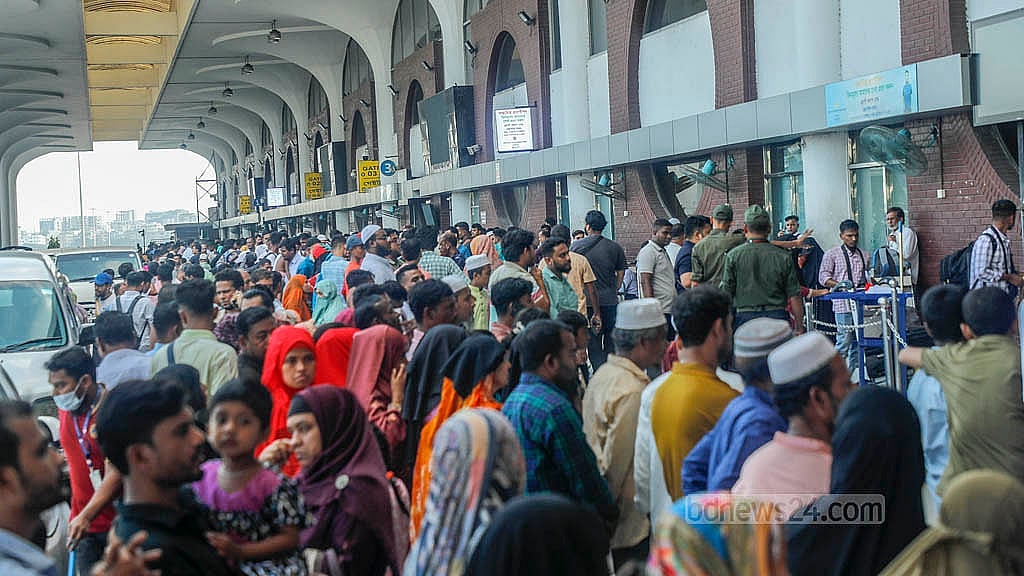
For this reason, he suggested the Bangladesh Pharmaceutical Industry Association request special arrangements from Dhaka Custom House.
Zakir cited an example of a narcotics item that was destroyed. Obtaining import permission again and clearing it through the narcotics and drugs authority could take three to four months.
TRADE ASSOCIATIONS' RESPONSE
The garment sector, which generates around 85 percent of the country's export earnings, has also been significantly affected. However, like the pharmaceutical industry, the full extent of the damage is still being assessed.
Inamul Haque, senior vice-president of BGMEA, provided an early insight into the impact.

“Nearly all shipments from our member factories are transported by air. Every day, 200–250 factories export goods via airfreight. The potential losses are therefore substantial,” Inamul said.
BGMEA is coordinating with the airport authorities, the Ministry of Civil Aviation and Tourism, customs officials, and other relevant agencies to gather data quickly on the scale of the damage.
Fazlee Shamim Ehsan, executive president of BKMEA, estimated that at least 250–300 garment exporters were likely to be affected by the fire.
The Dhaka Customs Agents Association has raised suspicions about the cause of the fire, with President Mizanur Rahman suggesting that it may not have been accidental.
“This is not merely an accident; it could disrupt industrial production, import-export operations, and overall economic activity, potentially paralysing part of the national economy," Mizanur warned.

He also added that goods stored in import warehouses were destroyed, and even items that appeared undamaged had been rendered unusable due to heat and smoke exposure.
DAMAGE TO POWER PLANTS
To provide a sense of the scale of the damage, Monowar Hossain, joint secretary of the Dhaka Customs Agents Association, shared his insights.
“Goods are not delivered immediately upon arrival; it can take anywhere from five to seven days for delivery. On average, about seven days' worth of shipments is stored,” he said.
About the affected goods, he said the destruction of machinery and equipment for power plants.
“Most of our pharmaceutical raw materials arrive by air, and temperature-sensitive items also come by air. The airport has cold storage facilities for temperature control.
“Commercial goods for door-to-door delivery from China are typically transported by air, along with some urgent materials for power plants and garments,” Mizanur said.
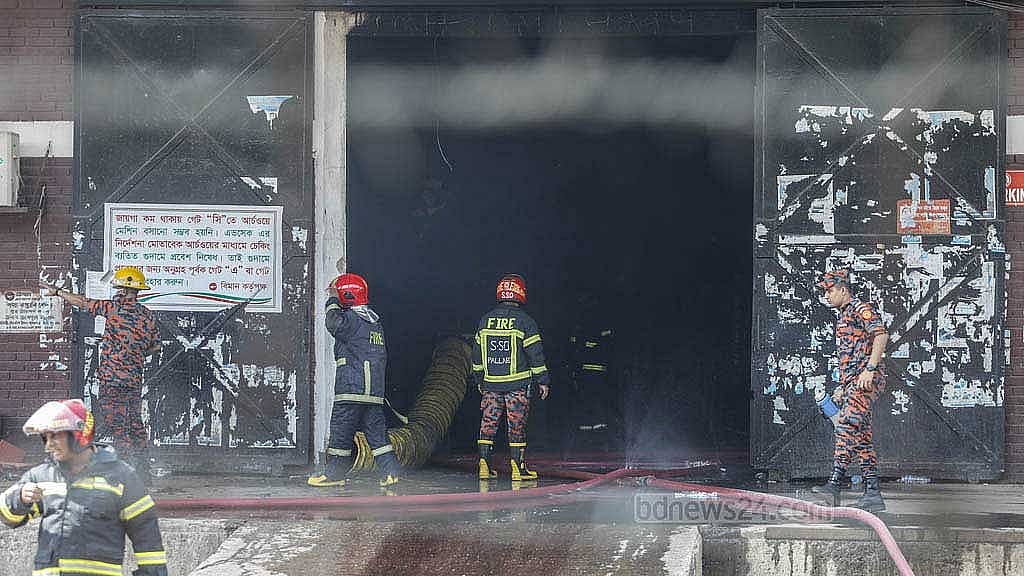
The losses include millions of taka worth of machinery and spare parts for power plants such as United Mymensingh Power, Jamalpur United Power Plant, and United Ashuganj Energy Limited, along with goods for BRB Group, DBS Group, and Philip Morris.
Saif Uddin Ahmed, administrator of the E-Commerce Association of Bangladesh (e-CAB), stressed the importance of carefully assessing the impact on the sector.
Jahangir Alam Shovon, former executive director of e-CAB, outlined two major types of losses that would affect the e-commerce sector: immediate losses from destroyed goods and potential long-term losses if the government fails to act swiftly, causing smaller businesses to collapse due to prolonged disruption.
GOVERNMENT DEPARTMENTS CRITICISED
Zakir Hossain, representing the Pharmaceutical Industry Association, criticised the weekend closure of customs clearance and port services.
“If even a small window of service had been available, at least 80 percent of raw materials could have been cleared between Thursday evening and Saturday afternoon,” he said. “We are willing to pay extra for weekend clearance if necessary.”
Customs officials clarified that Dhaka Custom House operates fully from Sunday to Thursday, with Friday and Saturday as holidays, although Saturday morning clearance is possible.
Consequently, shipments often accumulate in Cargo Village over the weekend. Delays in paying duties on Thursday tend to push cargo clearance to Sunday, compounding the fire response.
Fazlee Shamim of BKMEA also blamed poor coordination in firefighting efforts.
“The fire started in daylight, and people saw it. They called for help. Foam and water trucks were available. It should have been extinguished in five minutes, but they couldn't control it. External trucks were not allowed in through the gate,” he said.
Shamim urged government agencies to enforce compliance standards, similar to those applied by Western buyers in the garment sector. He also called for accountability to prevent future disasters.