Home
+
Published : 05 Nov 2020, 11:39 PM
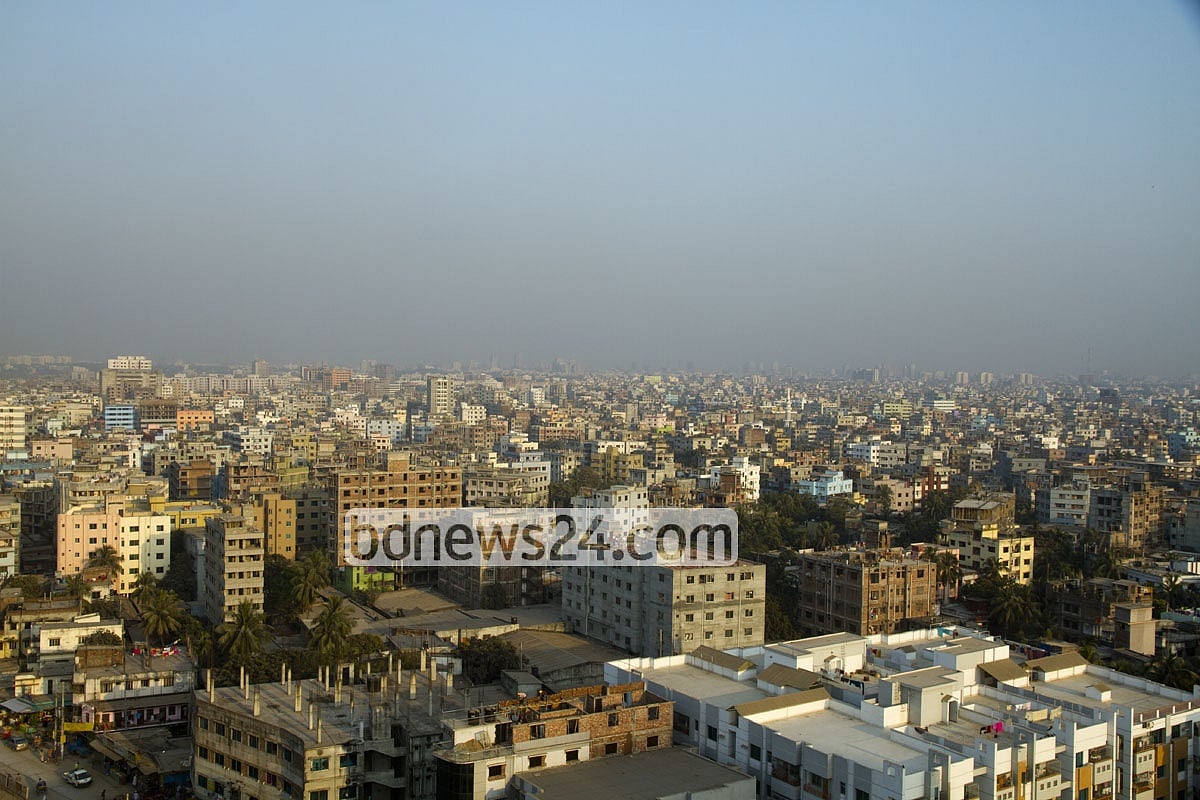
Previously, developers were allowed erect as high as 14-storey buildings in neighbourhoods such as Gulshan, Banani, Baridhara and Dhanmondi. But the new detailed area plan, or DAP, imposes an eight-storey cap, depending on the population density of a particular locality.
The plan, however, includes a provision to exceed the limit where around 40 to 60 percent of the housing plot is left as open spaces.
Urban planning experts have lauded the initiative to bridle the height of the skyscrapers in Dhaka in a bid to reduce occupancy. However, the Real Estate & Housing Association of Bangladesh, the apex body of realtors, has raised objections to the plan.
On Sept 2, the Ministry of Housing and Public Works published the first draft of the DAP. It is currently processing stakeholders’ recommendations.
The new plan proposes to divide the entire DAP area into 468 community blocks and set a height limit for buildings in each block.
When demarcating these community blocks, the authorities will take into account the existing population, the road infrastructure, civic amenities, the level or type of development and the totality of areas used for residential purposes in each locality.
The new plan also introduces new provisions on legalisation of illegal structures for a fine, redevelopment of lands, redistribution of lands and transit-based development.
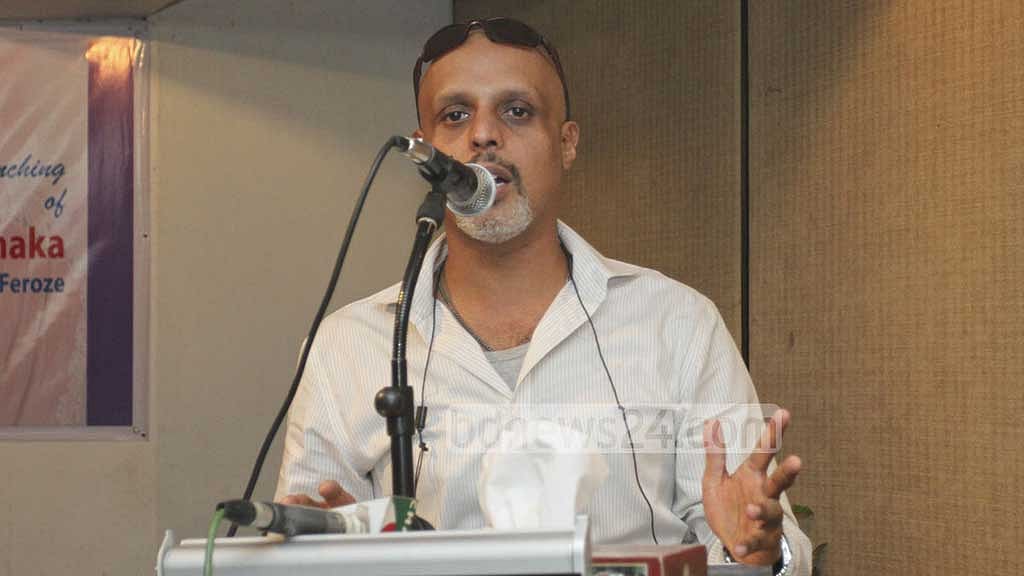
“There are some unfinished tasks -- compiling, coordinating and finalising the recommendations. We’ll finish those and finalise the DAP by December,” RAJUK Chairman Md Sayeed Noor Alam told bdnews24.com.
The new DAP will be in effect for 20 years.
AREA-BASED HEIGHT LIMITS
According to the new DAP, a building will not be allowed to exceed six-storeys in Kuril, Khilkhet, Nikunja in Dhaka North, seven storeys in Uttara, eight storeys in Gulshan, Banani and Baridhara. Meanwhile, the height of buildings will be capped to seven storeys in Mirpur and eight storeys in Mohammadpur and Lalmatia.
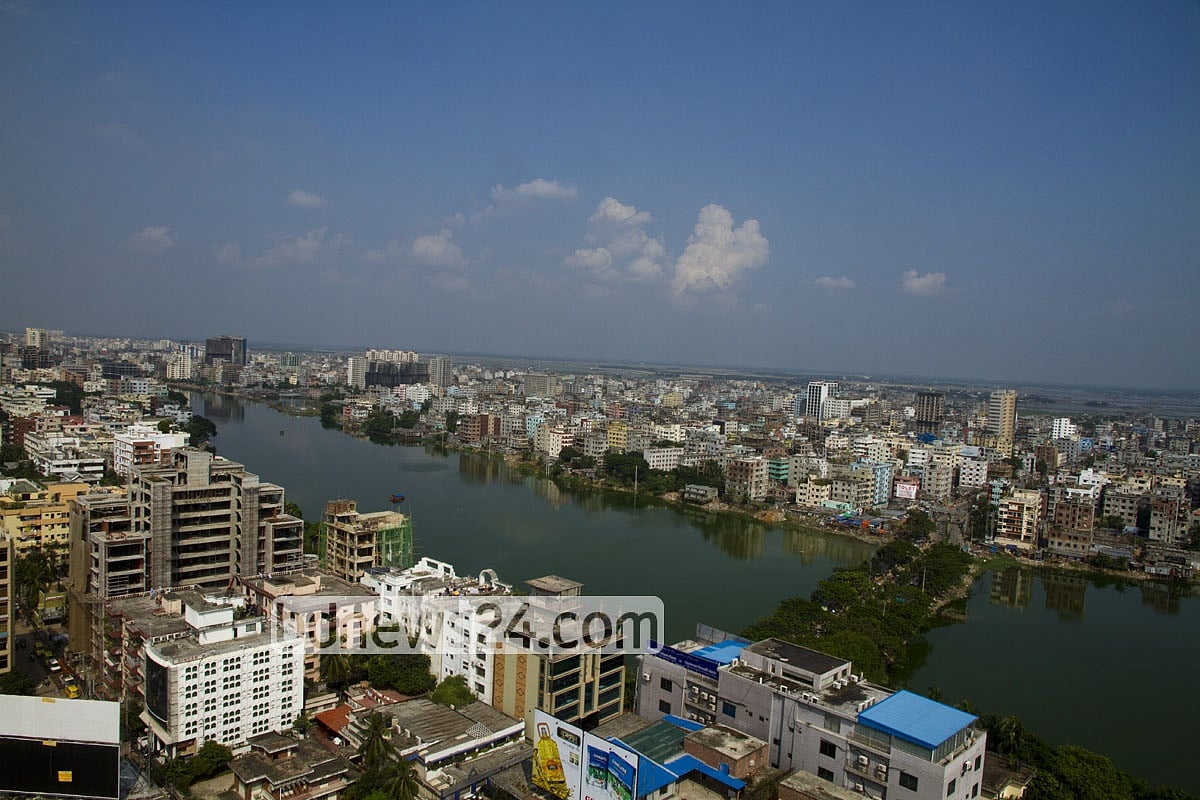
The maximum number of floors in residential buildings will be six in Narayanganj and Gazipur city and Savar Municipality, all of which fall under the jurisdiction of RAJUK.
At present, buildings are constructed in the capital in line with the DAP 2010 and Dhaka Metropolitan Building Construction Act 2008. The policy sets out the number of storeys a building can have based on the size of the plot.
The population density in the DAP area worsened after the Dhaka Metropolitan Building Construction Act 2008 came into effect. In every case, the building height was approved on the basis of its floor area ratio without considering any other factors.
As per the Building Construction Act 1996, the authorities used to approve a three-storey building on a three-katha land beside a three-metre wide road. But now, they approve an eight-storey building in the same area, the new DAP noted, citing the law, which was amended in 2008.
High-rise buildings in RAJUK's jurisdiction are leaving a negative impact on the environment, especially on the narrow streets. The situation has worsened due to RAJUK's lack of oversight authority.
As such, the height of residential buildings will be determined in accordance with the population density of the area, said DAP Project Director Ashraful Islam. But the plan provides an exception to the eight-storey height limit, provided the other clauses are fulfilled, he added.
"Under the proposal, at least 14 percent of the DAP area would be marked as a transport-oriented development zone. These zones will be designated within 500 metres of the catchment area of the metro rail stations. Multistorey apartments can be constructed here. If someone leaves 60 percent of land open in a block, they can construct a multistorey building there."
The new DAP contains recommendations for development through block-based or land redevelopment schemes under government or private initiatives.
Developers can build up to 10-storey buildings on a 0.66-acre block of land if 40 percent of the plot is left open, it said. In case of a two to five-acre block, a 15-storey building can be constructed if 60 percent of the plot is unused. There is no height limit for buildings constructed in a block larger than five acres where 60 percent of space is unoccupied. But in this case, the land in the block cannot be subdivided into plots under any circumstances.
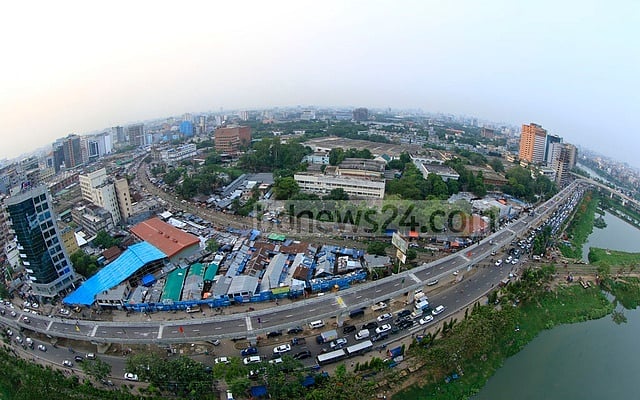
STAKEHOLDERS' REACTIONS
Real estate developers have opposed the new rules on limiting the height of residential buildings, while the urban planners welcomed it, saying it is necessary to keep Dhaka in a liveable condition.
REHAB leaders met the DAP committee on Oct 30 and shared their recommendations. The new DAP contains some good points, according to REHAB President Alamgir Shamsul Alamin.
“RAJUK never approved the construction of a building beside a four-foot-wide road under the present Act. But as per the new DAP, it will approve multistorey buildings under certain conditions. This will create opportunities in parts of Old Dhaka,” he said.
REHAB demanded the authorities decide the height of a building in line with the size of the land and the width of the road beside it.
“If the road is wide and the land is big, they should not put any restriction. We have shared our views on this. We’ll meet them again to discuss the matter further. We’ll only welcome the DAP if it serves the public interest.”
Addressing REHAB's objections, RAJUK Chairman Md Saeed Noor Alam said, “They are big a stakeholder. The DAP will be finalised after making changes in keeping with all the recommendations."
Adil Mohammed Khan, general secretary of Bangladesh Institutes of Planners, believes Dhaka has become uninhabitable due to the absence of a plan to address issues such as overpopulation and population density. This is why the urban management system has collapsed in Dhaka, according to him.
“There is a direct connection between the population density and the height of buildings. The population in an area can be controlled through it,” said Adil.
“The height restriction mentioned in DAP is in line with other global plans. Aside from the height limit, it also needs to add a plot-based dwelling unit [the number of families living in a building]. This will complete the plan.”