“To accelerate the ACC’s actions this law needs reformation,” he told reporters on Thursday, a day after he was appointed as the graft watchdog boss.
Badiuzzaman also urged the government to amend the law in the current session of Parliament.
His predecessor, Ghulam Rahman, had also demanded more muscle for the law during his four-year term.
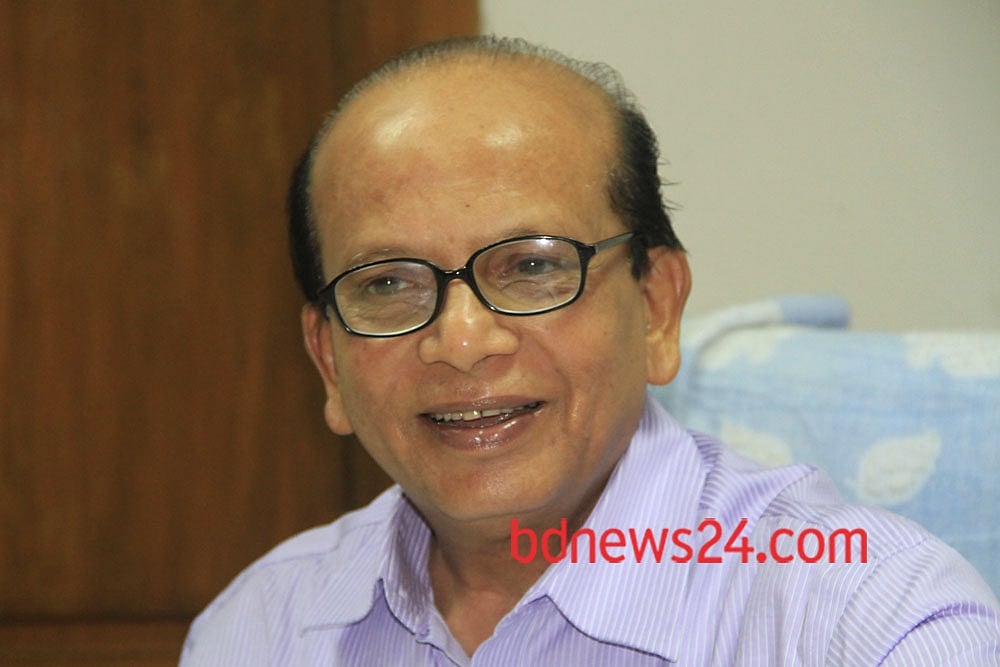
Despite repeated opposition criticisms of the ACC, Badiuzzaman said the watchdog had worked independently and promised to maintain the trend.
“The ACC treats everyone equally. It will investigate if there are any accusations against anyone.”
He said, “The ACC had filed 350 cases during 1/11, and it did not withdraw the cases despite pressure from high administrative levels.”
On Jan 11, 2007, a military-backed caretaker government had taken over with then President Iajuddin Ahmed proclaiming a state of emergency amid political confrontations between the Awami League and the BNP. The day is considered a turning point in Bangladesh’s political history leading to a two-year spell of state of emergency.
The new ACC chief on Thursday said the final reports on the corruption and financial scams of Destiny-2000 and Hall-Mark Group would be in soon.
But it would take some more time to submit the final report on the allegations of corruption in the Padma bridge project.
“The ACC team that visited Canada recently got some but inadequate information. Canadian court has not started hearing the case. I hope we will get some important information after the trial begins,” Badiuzzaman added.
He had started his career as a teacher but later opted for administrative work. At one point he was a Secretary at the Prime Minister’s Office.
He was appointed as the Investigation Affairs Commissioner at the Anti-Corruption Commission in 2009.