Home
+
Published : 19 Mar 2021, 12:15 AM
“That was the first time when the heroic Bengalis retaliated to Pakistani soldiers’ firing,” says Liberation War Affairs Minister AKM Mozammel Haque.
KM Safiullah, who became the first army chief of Bangladesh after independence, was also present there. He said the Pakistani troops would have disarmed the Bengali soldiers had the civilians not built resistance.
A number of Bengalis were martyred in the armed resistance that day.
A major in 1971, Safiullah was the second-in-command of a unit mostly consisting of Bengali soldiers, which was stationed some 30 kilometres outside capital Dhaka.
Haque was the convenor of the Sarbadolio Sangram Parishad in Joydebpur.
They recollected the memories of the day in interviews with bdnews24.com as Bangladesh is celebrating golden jubilee of independence.
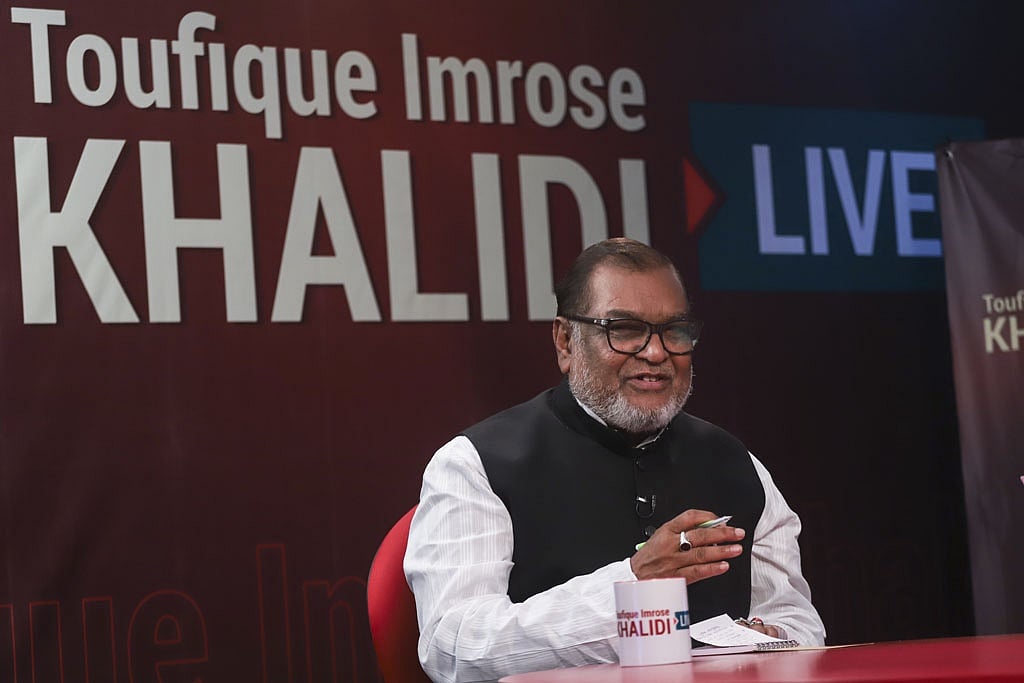
“It was a Friday,” Haque recalled, “Two JCOs (junior commissioned officers), Subedars informed that they heard that brigade commander Jahanzeb (Brigadier General M Jahanzeb Arbab) was coming to Gazipur from Dhaka to take away the arms of the Second East Bengal Regiment.”
Gen Arbab was the commander of Operation Searchlight, the codename of the operation that was launched for the genocide of unarmed Bengalis in Dhaka deep in the night on Mar 25 that year.
The authorities said the arms will be needed because of a lack of weapons at the armoury in Dhaka. But the actual reason behind the move was to disarm the Bengali soldiers as the Pakistanis thought it was unsafe to keep the Bengalis armed, said Haque.
The Second East Bengal Regiment had many weapons at the time because Gazipur had a weapons factory that produced Chinese rifles.
The possible disarmament of the Bengali soldiers in Gazipur was being heard for quite some days.
Mozammel Haque, the then Dhaka District Awami League President Shamsul Haque and General Secretary Habib Ullah raised the issue when they went to greet Bangabandhu Sheikh Mujibur Rahman on his birthday at his Dhanmondi 32 residence in Dhaka on Mar 17.
“When we asked what we would do, he (Bangabandhu) shouted: ‘What have you learnt? Should I tell you all the time what you need to do?’ It felt like the entire building was shaking. He puffed his pipe two to three times and then said that we must resist at any cost,” Haque recalled.
They returned to Gazipur and held a meeting where it was decided that the Pakistanis cannot be allowed to disarm the Second East Bengal Regiment.
The council then made announcements through loudspeakers of mosques.
“Thousands of people gathered with locally made guns, billhooks and kitchen knives and sticks as Bangabandhu had already to be prepared with whatever we had. Everyone had at least a stick,” Haque said.
He said they brought some Chinese rifles from the Second East Bengal Regiment as well.
“We opened fire when Brigade Commander Jahanzeb’s troops advanced. They retaliated with heavy weapons. It was impossible for us to survive for long.
Gen Arbab used the Bengali soldiers as a shield and ordered them to open fire on the civilians, but the Bengali soldiers fired in the air. “Their behaviour made us realise that they were Bengalis, because it was difficult to identify the men in uniform from far away.”
The people had to back off after half an hour. The soldiers then removed barricades set up by the Bengalis, and Gen Arbab started for Dhaka scrapping the plan to disarm the Bengali soldiers.
Hurmot, a footballer, snatched away the rifle of a Pakistani soldier during the removal of the barricades. Other soldiers shot Hurmot dead at once, said Haque.
“We had protested against the Pakistani rule for 23 years, but never retaliated by opening fire. So it can be said that the first armed resistance took place in Gazipur,” he said.
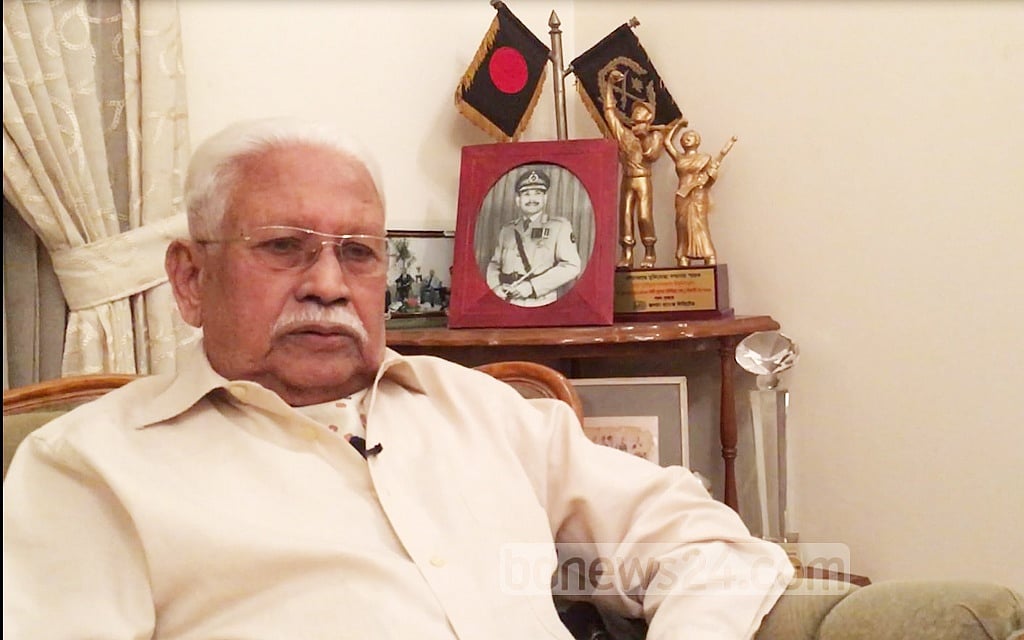
Safiullah said the Second East Bengal Regiment was ordered to submit arms by Mar 15. Gen Arbab arrived in Joydebpur Cantonment with Pakistani troops on Mar 19 as the Bengali soldiers refused to submit the arms.
Safiullah, a retired major general who was honoured with the Bir Uttam title, said he was the second-in-command of the Regiment and performed duty in the 1970 elections.
The Pakistani authorities deployed the Regiment by dividing in small units to prevent them from gathering strength.
The Pakistanis were still considering the armed Bengali soldiers as a threat and decided to disarm them.
Bengali soldiers were getting prepared for an armed movement way before the war formally started on Mar 26, according to him. "We were getting ready. We decided to protest if something happened and that too not verbally, but by force of arms."
Safiullah said that the 'desire for independence was so intense' among the people then that they would go for it 'at any cost'.
"75 million Bengalis...they would have done something themselves, even if we (Bengalis in army) were not there."
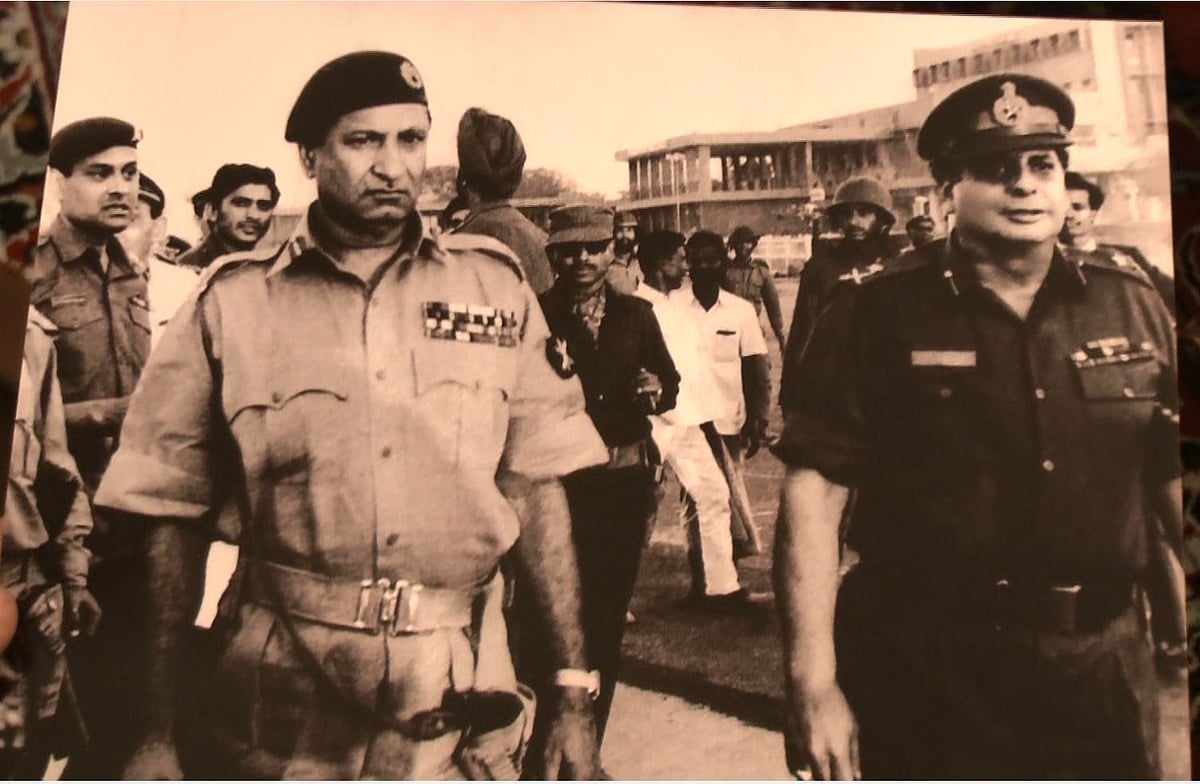
Safiullah said that he kept troops under his command prepared for anything.
"The brigade commander found that the troops were armed just like during a war," he said adding that machine guns and mortars were stationed all around the unit's base.
"I told him ‘I may be mobbed anytime, but I am ready to protect myself.' My intention was to make him understand that I was aware why he came and if he had any such ideas then he should be ready."
He said that the army opened fire on civilians in Gazipur on Mar 19, upon orders from the Dhaka brigade commander. "Ultimately, we had to use fire...two people died and two others were wounded."
He said that the Bengali people attacked when the brigade commander was leaving Gazipur. "A man tried to snatch the firearm from a soldier. But he failed and was killed by the other soldiers."