Home
+
Published : 23 Dec 2024, 02:39 AM
The interim government is moving forward with plans to engage the international community on a larger scale to resolve the Rohingya crisis, which has lingered for over seven and a half years.
Responding to an appeal by Chief Advisor Muhammad Yunus, the United Nations is organising a “stakeholder conference” in the first half of 2025.
Officials at the Myanmar desk of the foreign ministry say discussions are ongoing about holding the conference either in New York or Qatar’s Doha.
The government hopes the conference will create political consensus and establish a pragmatic framework for the sustainable repatriation and reintegration of the Rohingya in Myanmar.
However, international relations analysts stress the importance of bilateral discussions with countries engaged with Myanmar to yield tangible results from such high-level meetings.
Prof Imtiaz Ahmed from Dhaka University’s Department of International Relations said: “A large conference without prior homework won’t be effective. While it may help raise funds, the repatriation process is highly complex.
“Preparatory work needs to be done with countries like China, India, Japan, and the US. Once these bilateral engagements yield progress, the conference can be convened with broader consensus, which would make it more fruitful.”
Former ambassador M Humayun Kabir echoed similar views, saying: “Creating a conducive environment within Myanmar is crucial. ASEAN [Association of Southeast Asian Nations] and China are already making some efforts, and we need to find ways to get involved in those initiatives.
“If the political issues driving the crisis are resolved, we can tie our efforts to that resolution. Only then can we expect a sustainable solution to emerge.”
ROHINGYA INFLUX TRIGGERED AFTER AUG 25, 2017
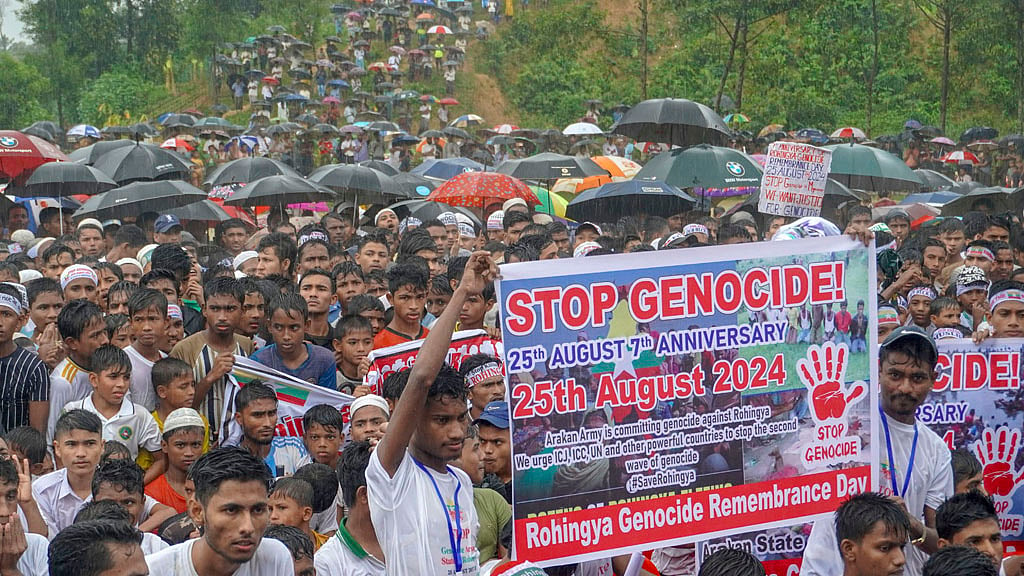
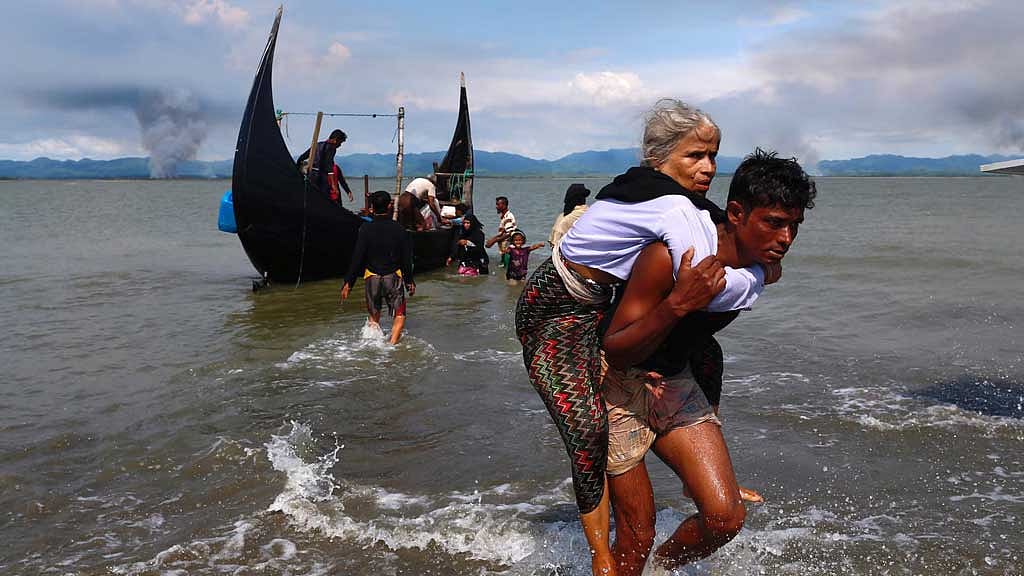
Facing brutal persecution and genocide by Myanmar’s military, Rohingya began pouring into Bangladesh from Rakhine State after Aug 25, 2017.
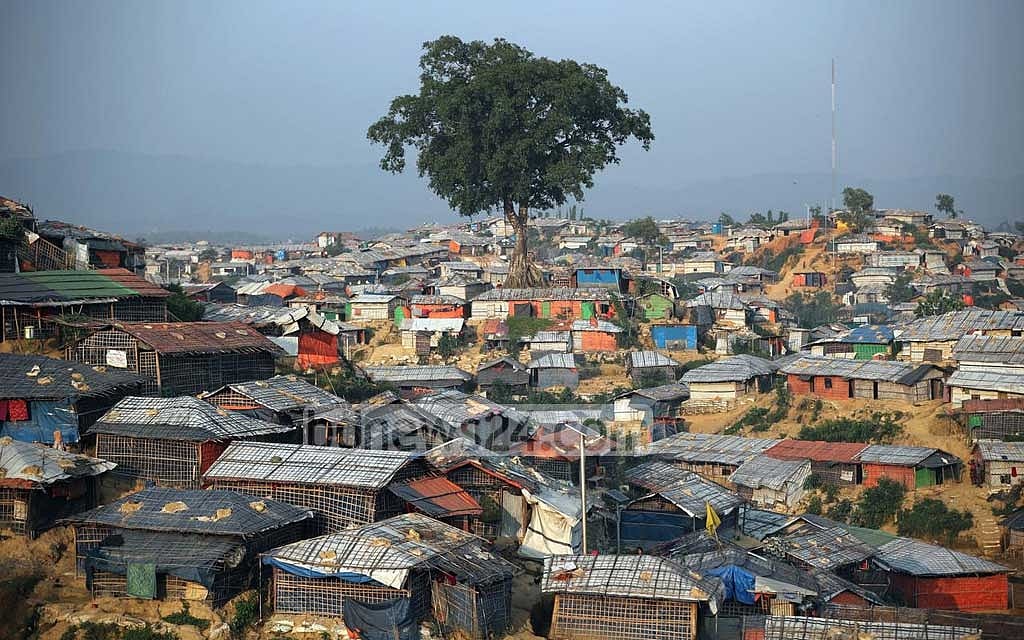
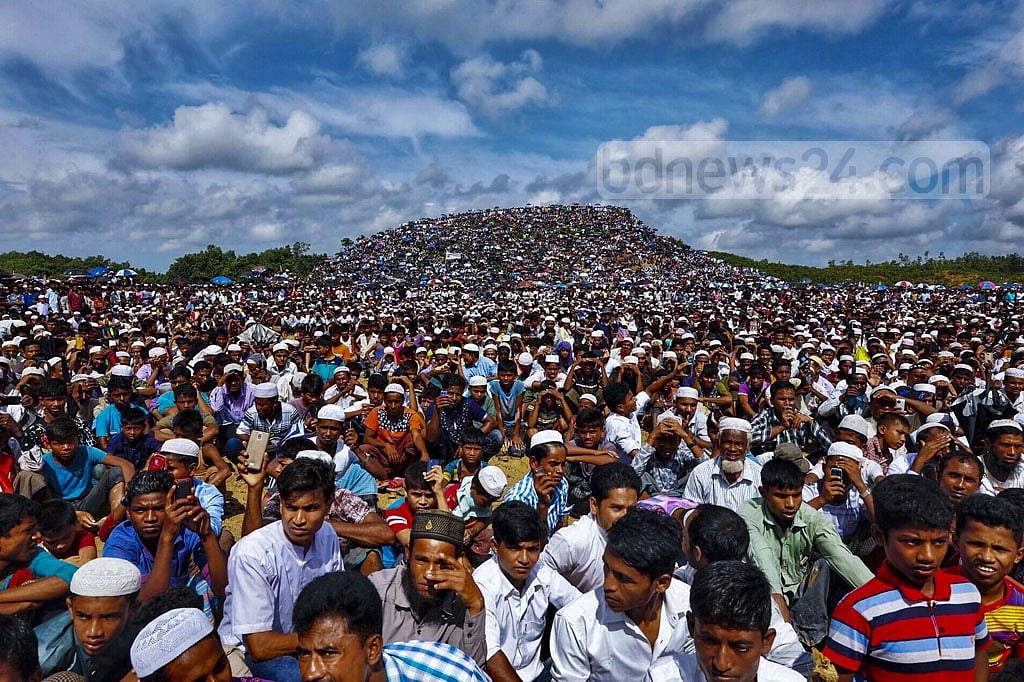
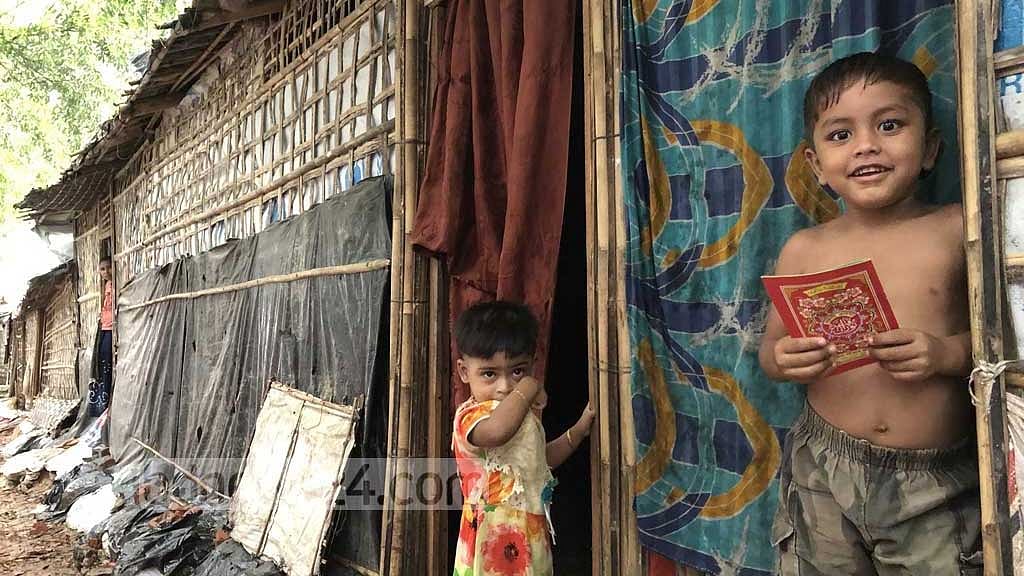
Within a few months, over 750,000 Rohingya took refuge in camps in Cox’s Bazar’s Ukhiya and Teknaf, adding to the 400,000 already residing there.
Under international pressure, Myanmar’s Aung San Suu Kyi-led government agreed to repatriate the Rohingya later that year, signing a bilateral agreement with Bangladesh in September 2017.
Despite discussions on identification and other issues, two repatriation attempts in 2019 failed due to the Rohingya’s mistrust of the Myanmar government.
The COVID-19 pandemic further diverted global attention from the crisis.
In February 2021, Myanmar’s military junta, led by General Min Aung Hlaing, ousted Suu Kyi’s government, creating fresh challenges for repatriation.
Attempts to return the Rohingya through a tripartite initiative facilitated by China also fell through.
As conflicts between Myanmar’s military and rebel groups intensified, repatriation discussions have come to a standstill.
Meanwhile, ongoing violence in Rakhine has led to a fresh influx of Rohingya into Bangladesh.
Chief Advisor Yunus recently revealed that over 80,000 additional Rohingya have entered the country.
UN-BACKED INTERNATIONAL CONFERENCE PROPOSED
The interim government, formed following Sheikh Hasina’s resignation amid mass protests on Aug 5, is prioritising greater international involvement in Rohingya repatriation.
Yunus proposed organising a high-level “stakeholder conference” on the crisis during a side event at the 79th session of the UN General Assembly.
On Nov 7, Yunus wrote to UN Secretary-General António Guterres, urging him to initiate the conference.
The UN General Assembly’s Third Committee unanimously passed a resolution on Nov 20 titled “Situation of human rights of Rohingya Muslims and other minorities in Myanmar,” calling on the secretary-general to convene the conference.
Retired foreign ministry official Khalilur Rahman has been appointed as the chief advisor's high representative for Rohingya issues and priority affairs.
Addressing questions about the conference, foreign ministry spokesperson Rafiqul Alam said: “We hope this high-level conference will pave the way for political consensus on a pragmatic framework for the sustainable repatriation and reintegration of Rohingya in Myanmar.
“It is expected to play a pivotal role in addressing the root causes of the crisis and developing a coordinated roadmap to manage the current situation.”
The conference will focus on addressing socio-economic, environmental, and security challenges while mitigating the long-term effects of the Rohingya population’s presence in Bangladesh.
“We are optimistic that this initiative will strengthen international commitments to resolving the crisis, enhance integrated humanitarian and development efforts, and support accountability measures for crimes against the Rohingya,” Alam added.
‘ENGAGEMENT WITH INFLUENTIAL COUNTRIES IS CRUCIAL’
M Humayun Kabir, former Bangladesh Ambassador to the US, stresses the importance of engaging with countries that hold influence over Myanmar in international discussions and initiatives.
He said nations like China, Japan, Russia, India, and ASEAN have the potential to effect change in the Rohingya crisis.
"We haven’t been able to convince them enough. Although China is involved in a trilateral process, it hasn’t yielded results because China isn’t exerting enough pressure on Myanmar, and relying solely on China’s pressure isn’t working," he said.
Kabir suggested Bangladesh should push for the inclusion of repatriation as a priority in ongoing efforts to resolve Myanmar’s civil war.
He also advised that Bangladesh should clarify its objectives for any international conference with input from local experts.
"If the goal of this conference is repatriation, the current situation raises the question of how it can be achieved amid ongoing conflict," Kabir said.
"These are complex issues, and we need to proceed with caution. Otherwise, we may face tough questions from the international community," he added.
Imtiaz, executive director of the Centre for Alternatives, noted that Bangladesh has yet to engage in direct talks with China, India, Japan, and the US on this matter.
"From my conversations with the Rohingya, they are also worried that Myanmar’s government might see such a conference as legitimising their actions," Imtiaz said.
He also advised understanding the US position, particularly with the upcoming shift to the Republican Party, and how it aligned with Biden’s policies.
After the setbacks in Palestine and Ukraine, Imtiaz cautioned that involving the UN in this process could send the wrong message.
IS ENGAGEMENT WITH THE ARAKAN ARMY FEASIBLE?
Myanmar’s military, known as the Tatmadaw, has been steadily losing ground to the Arakan Army since the start of 2024.
Recently, the rebel group gained full control of Rakhine State, home to the Rohingya population.
As the Arakan Army’s victories grow, discussions have emerged about the potential for engagement with the group to facilitate Rohingya repatriation.
While the idea has not been dismissed outright, the government has yet to make a definitive statement.
Speaking at an event at Dhaka University, Khalilur, the chief advisor’s high representative for Rohingya and priority affairs, said: “The Arakan Army’s final position remains uncertain. However, steps are being taken to establish communication with the group, particularly regarding border management. That said, no decisions will be made without thorough deliberation.”
On Thursday, Foreign Advisor Touhid Hossain attended an informal meeting in Thailand, involving Myanmar and five neighbouring countries.
Myanmar’s Deputy Prime Minister and Foreign Minister U Than Shwe called for a roadmap for Rohingya repatriation, emphasising that peace, stability, and democracy in Myanmar are aligned with Bangladesh’s interests.

Prof Imtiaz, an international relations expert, advised a cautious approach to engaging with the Arakan Army.
“There have been some discussions with the Arakan Army on security matters, such as border management, but no political dialogue has occurred. Initial engagement could happen through informal or NGO channels before transitioning to formal discussions,” he suggested.
Direct government-level talks, he warned, could lead to an impasse.
“Although the Arakan Army has gained significant territorial control, critical infrastructure like highways, airports, and seaports remains under Tatmadaw control. This makes it essential for discussions to be meticulously planned.”
He also said, “The Arakan Army hasn’t announced any intentions of forming a separate state. For now, they may seek an understanding with the Tatmadaw regarding their occupied territories.”
[Writing in English by Arshi Fatiha Quazi]