Home
+
Published : 03 Jul 2026, 12:31 PM
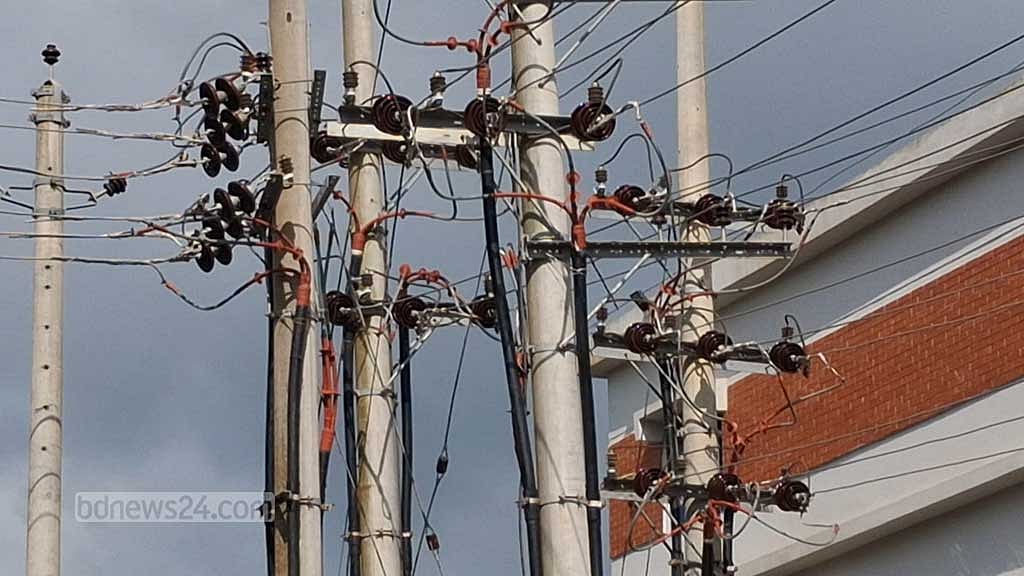
At a time when electricity is the only source of relief from the scorching summer heat, it has become increasingly scarce in the rural areas of Chandpur.
Residents across the district's eight Upazilas are spending a significant portion of each day without power, disrupting education, agriculture, business activities, and healthcare services.
Meanwhile, electricity supply in Chandpur town has remained largely stable, prompting allegations of unequal treatment between urban and rural areas.
Visits to different Upazilas and interviews with affected residents revealed that the situation is most severe in Haimchar, Matlab North, Faridganj, and Kachua.
In these areas, once the electricity goes out, residents often have to wait two to three hours -- or even longer -- for it to return.
The same pattern continues at night. The unbearable heat has made life especially difficult for children, the elderly, and those who are ill. Many families are spending night after night without proper sleep.
Expressing his frustration over the ongoing power outages, Kamal Hossain, a resident of Kalyanpur in Chandpur Sadar Upazila, said: "On Tuesday night, the electricity went out at 10pm and came back at 11pm. It stayed until midnight, then went off again at 1am and returned at 2am. The next morning, Wednesday, the power went out again at 6am and came back at 8am. Then it went off once more around 9am.
Power going on and off every hour has now become a daily routine. It has made normal life extremely difficult."
Residents in various parts of the district also complained that they are experiencing power cuts lasting anywhere from eight to ten hours a day.
Students are among those suffering the most. The Higher Secondary Certificate (HSC) examinations began on Thursday, yet many candidates struggled to study the night before because of prolonged power outages.
Mohammad Ohab Khan, a businessman from Dasdi village in Kalyanpur union of Chandpur Sadar, said:
"Load shedding is seriously disrupting our children's education. They cannot study continuously for even two hours. In addition, patients are not receiving their medical test reports on time because of power outages."
Dulal Sheikh, a resident of Kalivangti village in Ashikati union, said: "Power cuts are occurring equally during the day and at night. Once the electricity goes out, we have to wait two to three hours for it to return. Businesses are suffering, and agriculture is also being affected."
Farmer Mohammad Harun from Rupsha in Faridganj Upazila said, "Without electricity, irrigation pumps cannot operate, making it impossible to water crops on time. There is no electricity at night either, and the heat makes it impossible to sleep."
Jahid Hasan, a resident of Algi in Haimchar Upazila, said: "Not only households but businesses are also facing severe losses. Machines cannot operate without electricity, reducing production. Fish, meat, milk, and other food stored in refrigerators are spoiling, causing significant financial losses."
"Load shedding is no longer just an inconvenience; it has become a major burden on the local economy. Production is declining, and business owners are suffering financial losses," said Mizanur Rahman of Hajiganj Upazila.
Mohammad Nannu Mal, a resident of Paikasta village in Ashikati Union, said they paid their electricity bills regularly; yet they were left without power for hours at a time.
“People are facing immense hardship. This crisis needs to be resolved as soon as possible."
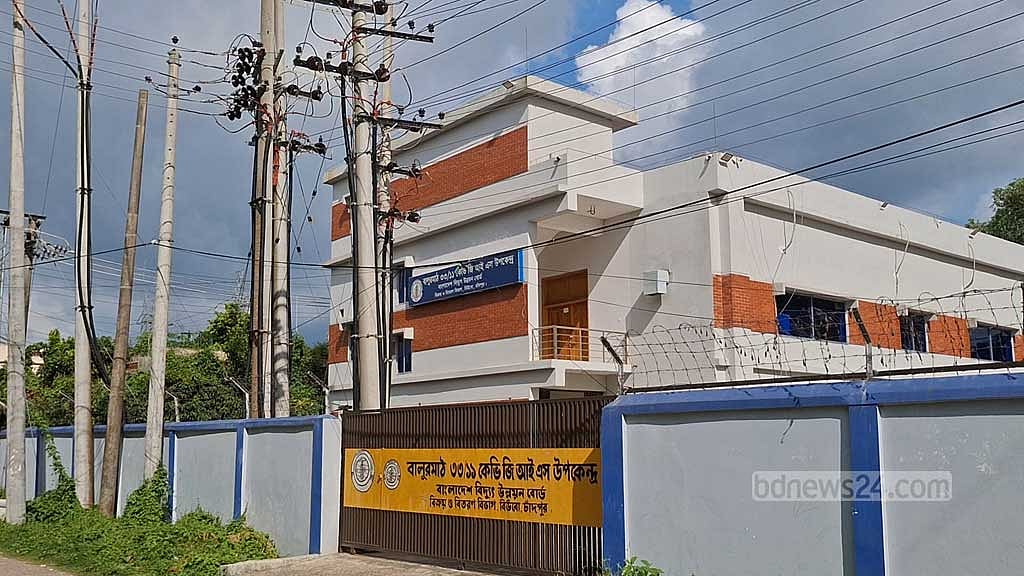
According to the Chandpur Rural Electrification Association [Palli Bidyut Samity], the district's eight Upazilas have approximately 850,000 electricity consumers. Meeting their demand requires around 190MW of electricity. However, the unusually high demand caused by the intense heat has created a supply shortage. Over the past week, the district has experienced 30 to 40 percent load shedding.
Mohammad Atiquzzaman Chowdhury, General Manager of Palli Bidyut Samity-2, said: "Due to the fuel shortage and the shutdown of two power generation plants, we are unable to supply electricity according to demand. The relevant authorities are working to improve the situation."
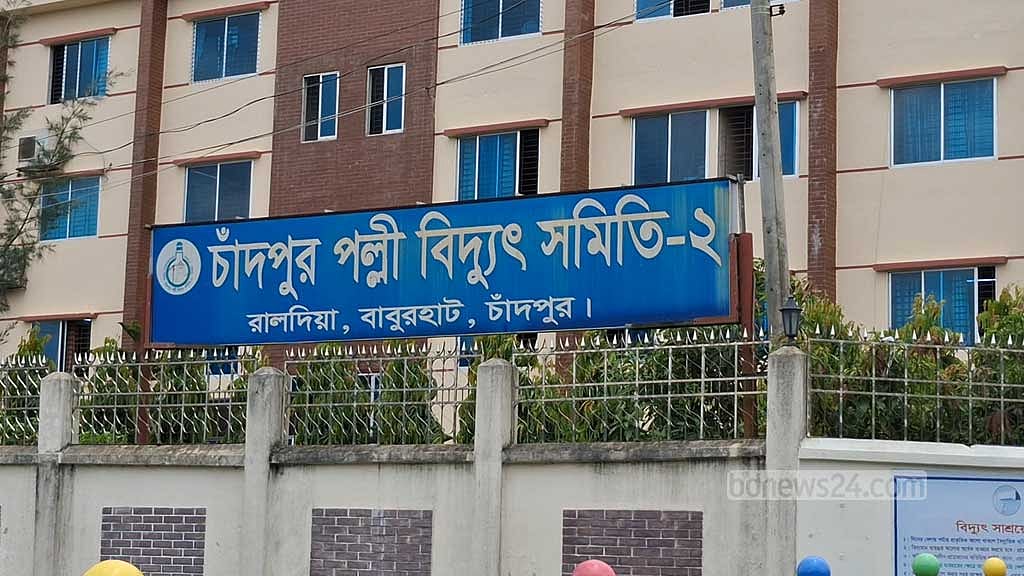
However, rural residents allege that electricity is being diverted to keep power supply in Chandpur town relatively uninterrupted, resulting in excessive load shedding in the villages. They argue that this has created an unfair disparity in electricity services between urban and rural communities within the same district.
Rahim Badsha, General Secretary of the Chandpur district chapter of Shusasoner Jonnya Nagorik (SHUJAN), said: "Unless the electricity shortage is managed fairly and in a coordinated manner, public suffering will continue to increase. It will have long-term negative impacts on agricultural production, the education sector, and the local economy. Equal importance must be given to ensuring electricity supply in rural areas as well as urban centers."
Mohammad Mehdi Hasan Bhuiyan, Executive Engineer of the Chandpur office of the Bangladesh Power Development Board (BPDB), said: "Chandpur town requires a total of 31 megawatts of electricity. Last week there was a shortfall of 9 to 10MW, which caused some load shedding. However, there is no such shortage this week."