Home
+
Published : 16 Jul 2022, 03:39 AM
The village got its name ‘Italla’ as a little digging used to yield old bricks or in Bangla, ‘It’. Although historical evidence of the existence of King Monto in the past is not established, the archaeological site has been named after him. Monter Mura, ruins of a Buddhist Monastery beside the river Gomti, yielded the idol of Abolokiteshwar and other terracotta souvenirs showing signs of a Buddhist culture that flourished there from the 7th to 12th century.
Like Shalbon Vihara, a monastery, signs of both Buddhist and Hindu cultures were found in Monter Mura showing the human habitat existed through the reigns of different rulers while communal harmony prevailed, believe archaeologists.
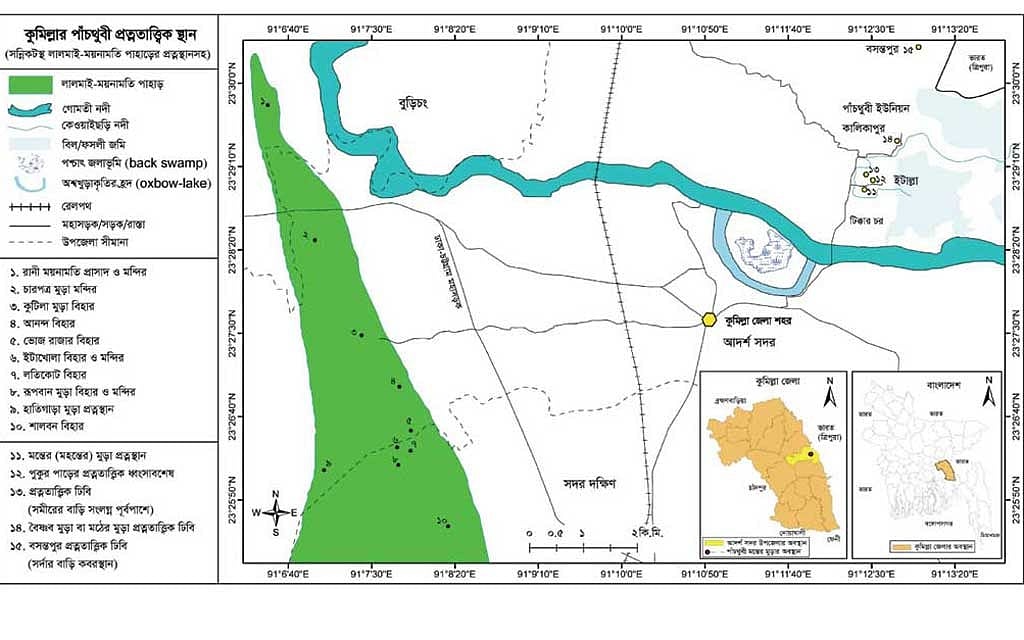
The famous Mainamati archaeological site is only 10 kilometres from Italla village in Pachthubi. According to the archaeologists, the Buddhist and Brahmin worship places were spread across the hilly areas as well as the plain land in the Meghna-Gomti basin and Pachthubi’s Monter Mura is one of those structures.
The Department of Archaeology initiated an excavation in Monter Mura last year led by its Regional Director AKM Saifur Rahman.
“There were ruins of many heritage sites including Monter Mura in the Pachthubi area but most of those don’t exist anymore. Still, now some old bricks and terracotta artefacts are found underground. Probably a Buddhist religious and cultural hub flourished here in the 11th and 12th century,” Saifur said.
Excavation of Pachthubi is very important, believes Professor Swadhin Sen of the Department of Archaeology at Jahangirnagar University. Monter Mura may provide the lost link in history that can prove the Lalmai Mainamati region was on a network connecting the sea in Chattogram with China and Tibet, he said.
PACHTHUBI
Pachthubi union is situated near the Bibirbazar Highway at the Bangladesh-India border. According to the Cumilla and Chattogram regional office of the Department of Archaeology, five ‘Stupa’ or mounds existed in the area and a lot of old bricks were found in them.
Famed archaeologist Abul Kalam Mohammad Zakaria mentioned the five Stupas in his writing in the 1980s. The name Pachthubi is derived from five [panch] Stupa or mounds. None of those, however, exist anymore due to a lack of conservation.
Archaeologists believe those five mounds in Pachthubi were Buddhist Stupa or burial mounds. In Buddhism, the earliest stupas contained portions of Lord Buddha's ashes, and as a result, the stupa began to be associated with the body of the Gautama Buddha. Locals, however, call one brick and mortar structure in the area the house of King Mahanto or Monter Mura.
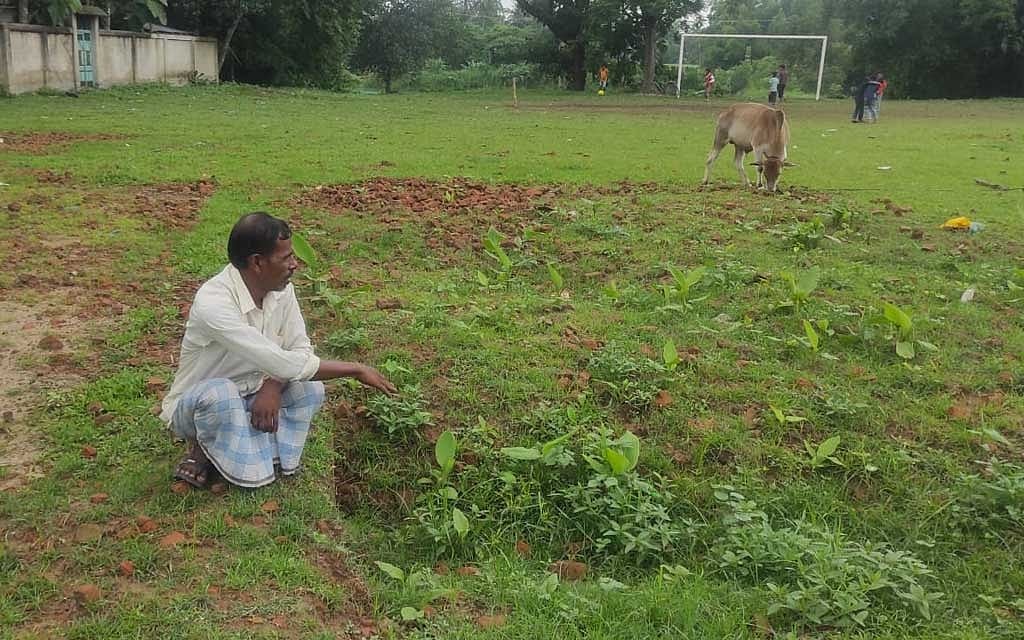
Earlier, the locals used to collect bricks excavating the area and use those on the floors of their homes or for building a cowshed. Some locals would sell the bricks to make money, said Tajul Islam, an elderly villager. He had seen this since his childhood. Monter Mura survived all those acts, he said.
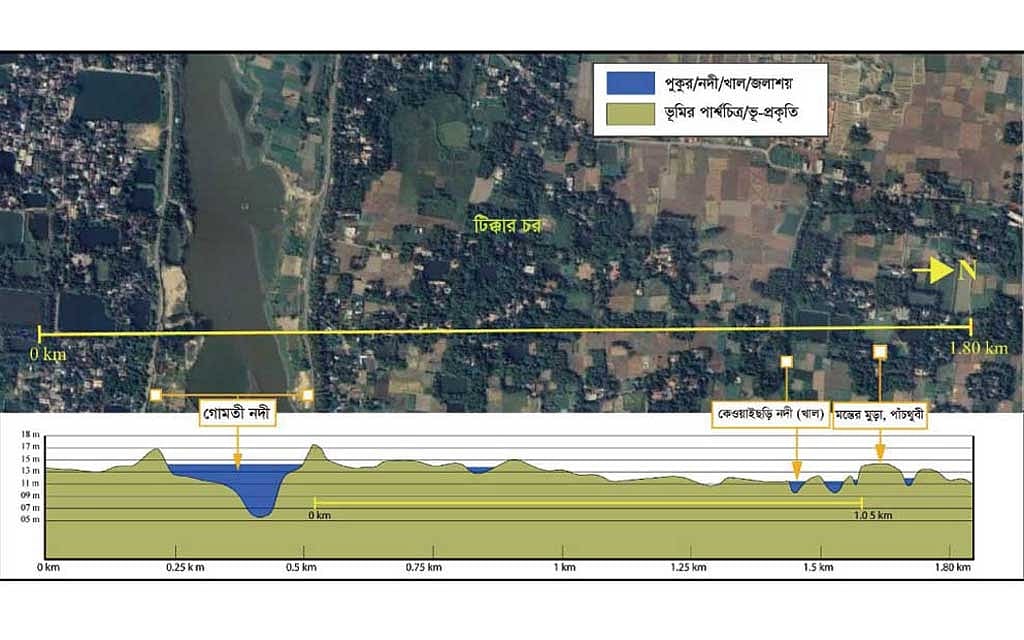
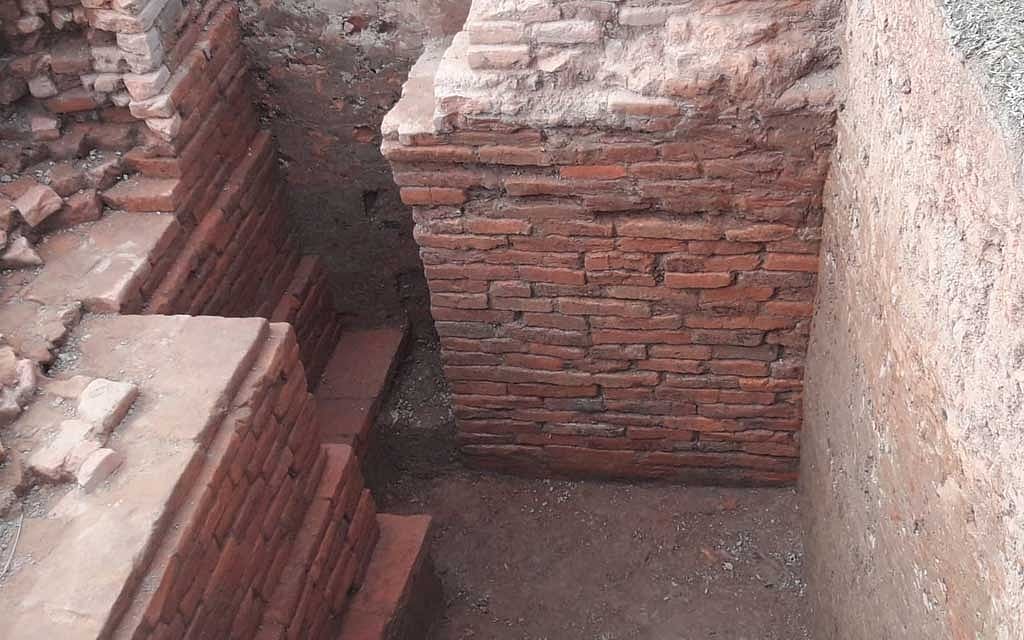
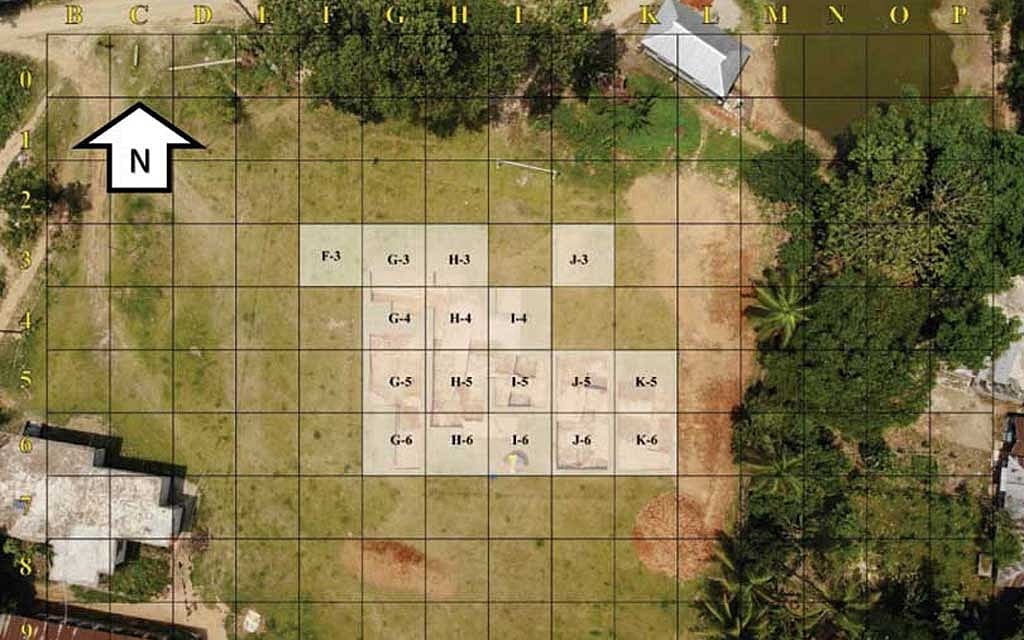
The Department of Archaeology conducted the excavation of Monter Mura in 2021-22 and found the ruins of different structures. It also found decorated terracotta bricks, oil lamps, small pots, saucers, pots with spouts, and many other artefacts.
The authorities identified that the ruins belonged to different time periods and that Monter Mura could be the remnants of a Buddhist monastery built as a fort, said Regional Director Saifur.
MYTH, LEGEND AND HISTORY
People in the Italla village tell the tale of King Monto who went to fight a neighbouring king. Before he set off to the battlefield, the king told her queen that he would release his pet pigeon, a messenger, in case he lost the battle.
The war was yet to end, but the pigeon, somehow, broke its cage and returned to King Monto’s palace. The king won the war, went back to his palace and found all women and children in the palace, including his queen, had sacrificed themselves to the fire.
No historical evidence of King Monto or Mohanto is available and some experts believe that the legend could have been intermingled with another one.
“Folktales or legends may carry some signs of history but those may contain some wrong or obscure information or sound inconsistent and must be crosschecked with time and place,” said Prof Sayeed Ferdous, who teaches anthropology at Jahangirnagar University.
“The archaeological exhibit that we’re discussing today may represent a specific time in that place. Again, a different myth or folklore may exist regarding the same place but from a different time. It may appear that we’re talking about two different facts about a single place, but in reality, we’re focusing on different times but on the same place,” he explained.”
“People living around most of the archaeological sites in Bangladesh talk about folklore or legends regarding those places. Sometimes mythological stories or characters are heard; sometimes historical figures are seen as demigods and the stories keep on changing as they move from one generation to the next,” said Prof Swadhin Sen.
He believed it happened with Pachthubi as well. There is a slim chance that the story of King Mohanto or Monto has historical evidence, but it is important to know all folklore to understand the history of the region beside the Gomti river, he said.
[Writing in English by Sabrina Karim Murshed]