Home
+
Published : 05 Mar 2016, 04:51 PM
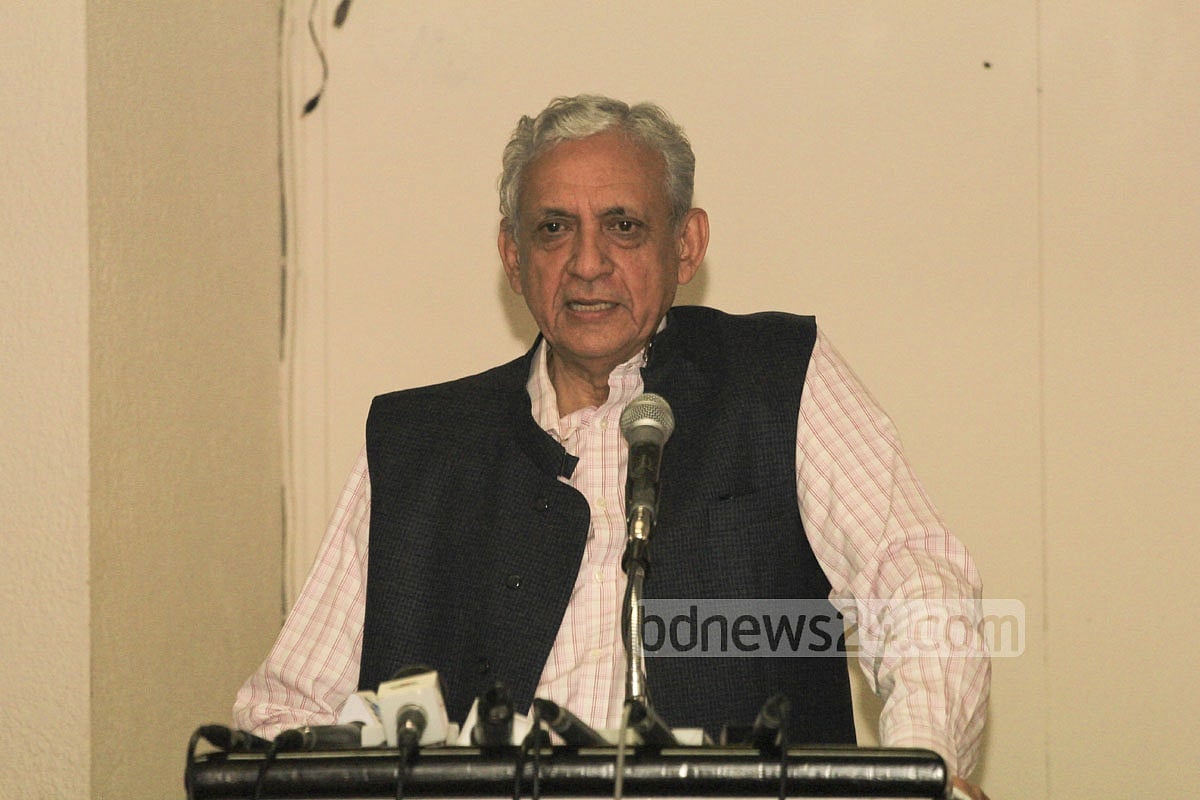
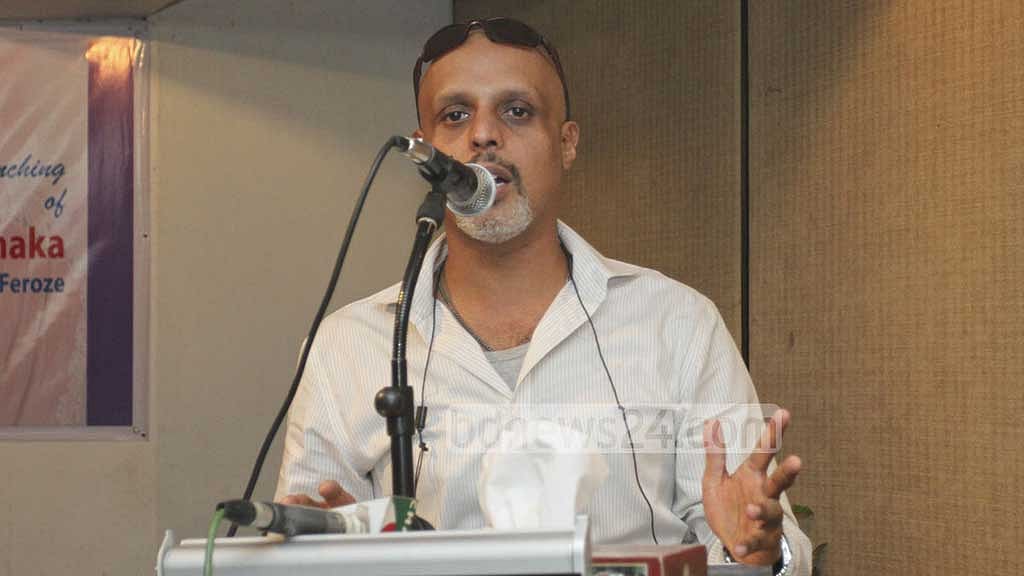
Gowher Rizvi said this at a dialogue on India and Bangladesh relations on Saturday.
He said electorates had rejected anti-India rhetoric of some political parties in the last several elections, and now even BNP accepted the “reality of giving transit facility to India.”
“We had no irreconcilable problems between us (India, Bangladesh). It (problem) was a result of two things –negligence and the lack of domestic consensus in Bangladesh,” he said.
He was speaking at a panel discussion on economic cooperation on the last day of the two-day dialogue, seventh of its kind, organised by the ‘Friends of Bangladesh’ with the support of the foreign ministry in Dhaka.
State Minister for Foreign Affairs Md Shahriar Alam chaired the panel.
Politicians including BJP general secretary, academia, think-tank, former diplomats, and senior journalists of both sides are attending the dialogue that comes on the heel of Prime Minister Narendra Modi’s Dhaka visit last year.
Rizvi said Indo-Bangla relation was part “of our internal political rivalry and that again and again it was an electoral issue for some political parties”.
“Fortunately, electorate has rejected that. Last several elections have shown that any attempt to make India an electoral issue is no longer acceptable to the voters.
“We are happily out of it. And today we have much more consensus and bipartisan approach towards India. Today we have domestic consensus.
“Transit, connectivity is no longer domestic issues. There is consensus. Even BNP accepts that now it’s a reality,” he said.
The adviser gave credit for this to Prime Minister Sheikh Hasina who he said made relations with India “number one priority” since assuming office.
He said the prime minister identified that poverty was the common enemy of both countries. “She realised that without good relations with India our goal of poverty-free region would not be achieved”.
Working together, he said, both countries had solved many issues. Despite that he said “we have only seen the tip of the iceberg. The real stuff is yet to come”.
He said the border killing had been reduced drastically now than what it was during the BNP regime. “But we are absolutely not satisfied. One death is too many and that’s why two prime ministers promised a peaceful border”
“We are striving for a peaceful border. We have introduced a new regime of combined border management,” he said.
“The future of India and Bangladesh lies in the success of sub-regional cooperation,” he pointed out.
For example, he said, despite potentials of generating power, most of the South Asian countries are power-starved.
“We are not able to exploit our potential fully. It cannot be done nationally. It has to be done sub-regionally”.
He said water issue with India would not be solved bilaterally or nationally. “It will require sub-regional cooperation. Under Narendra Modi’s leadership, we have moved away from river-by-river to basin-wise management”.
On economic front, he said, Indian companies were coming to invest in Bangladesh.
They will also be able to export to other countries to reduce trade imbalance.
“We have identified our non-tariff barriers and we have resolved that. What we need now is seamless border where people and goods will cross without any hassle”.
“More importantly we are now working on integrated land boundary port, so that we don’t need to repeat checks twice,” he said.
Speaking at the discussion, director of India Foundation, a BJP-leaning think-tank, Binod Bawri said the relations would depend on the “wish and trust.”