Home
+
Published : 27 Dec 2015, 04:20 PM
Citizens were supposed to get smart national identity cards in the outgoing year, a promise the commission failed to keep.
The other issues that kept the EC in the headlines include its dual stance over army deployment in local polls, allocation of ‘stereotyped’ household items’ symbols to women councillor candidates, disagreement over enrolling under-18s in the voter list, seeking opinions from field-level officials on reforming the Representation of the People Order, failure to introduce electronic voting machines, harassing journalists on voting days and playing ‘controversial roles’ at the Magura and Tangail by-polls.
The constitutional body often appeared helpless over incidents of polls code breach ahead of the municipal elections, being held on party lines for the first time.
It drew fire from almost all the political camps, including the Awami League, the BNP and the Jatiya Party, something that the EC chief looks upon as positive.
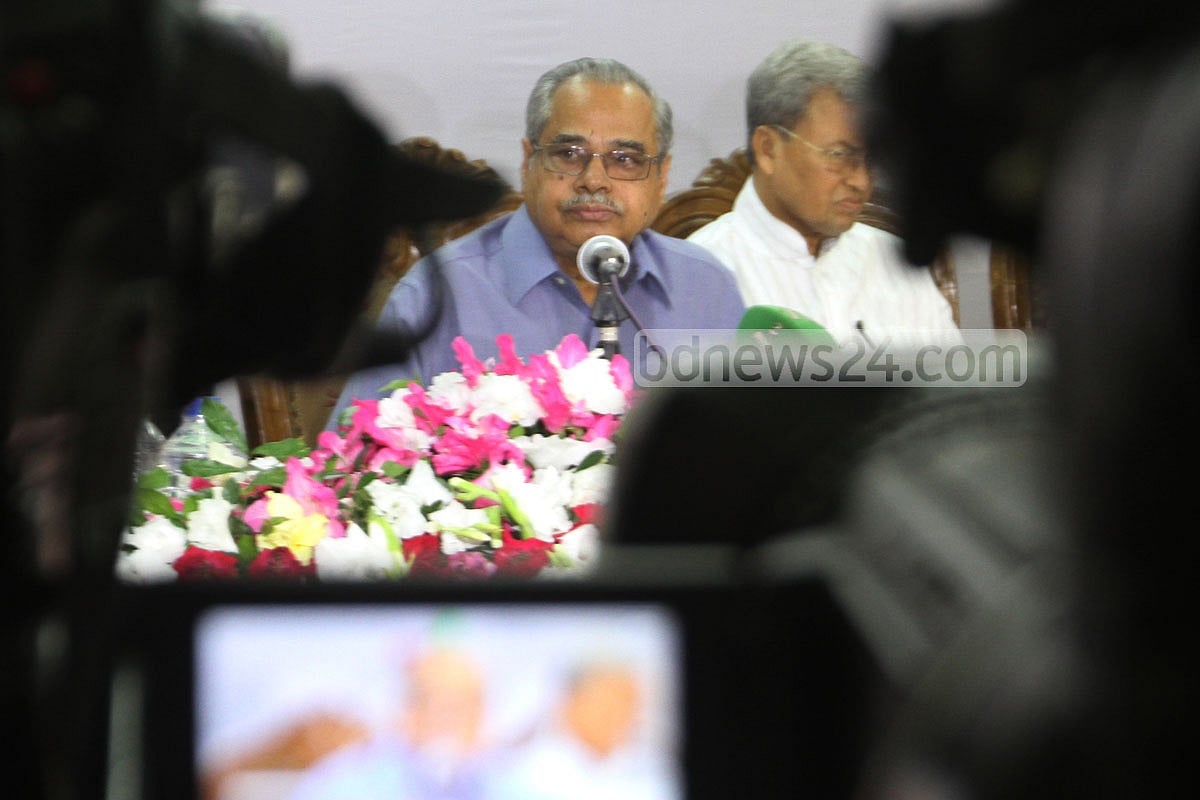
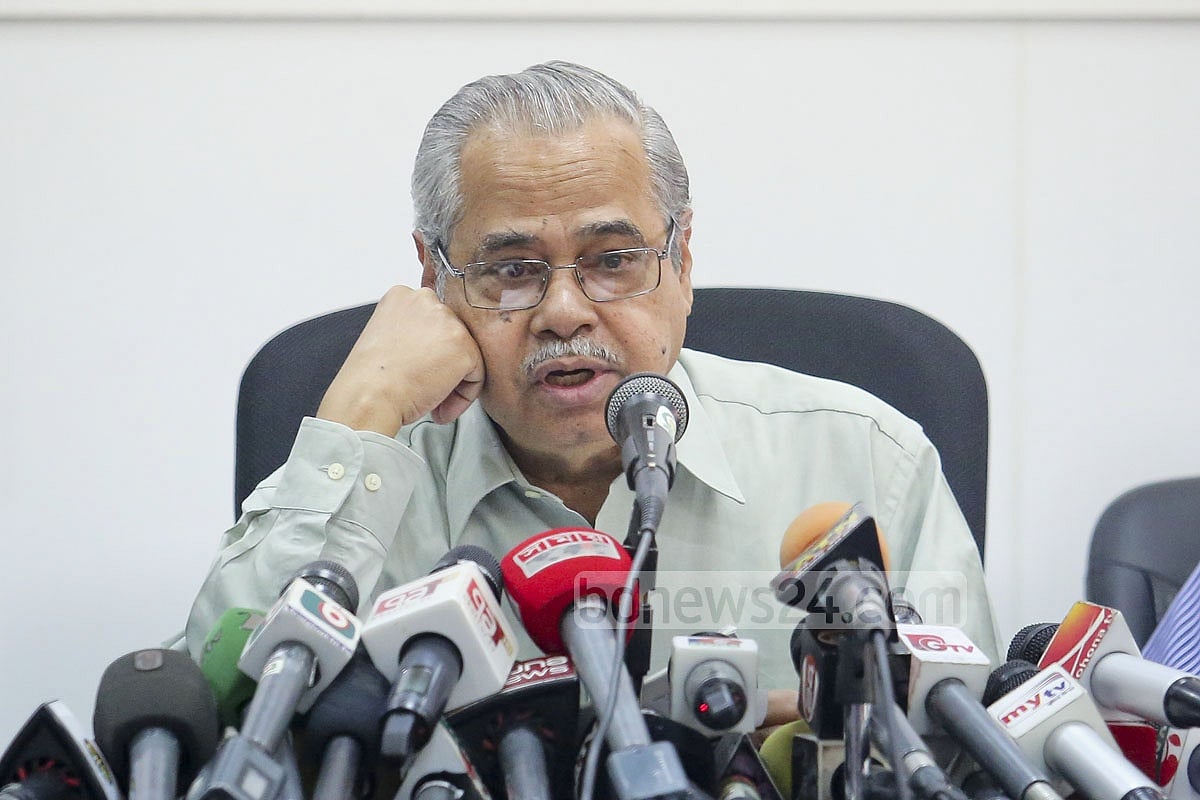
Complaints from all sides “are actually proving the commission’s neutrality,” claims Chief Election Commissioner Kazi Rakibuddin Ahmad. “Because the Election Commission has taken a neutral stance, everyone is facing some sort of problems.”
The smartcard disappointment
At the beginning of the year, the EC signed a deal with a French firm to provide citizens with smart national ID cards. Back then it had said the cards would be distributed in phases from this year.
The project was extended for one and a half years after the commission failed to start distributing the smartcards even after two-thirds of the project’s initial duration had been gone through.
Now the EC says it will distribute the smartcards by December 2017.
“It is a huge task. I cannot yet give a deadline for beginning the distribution,” the CEC says.
However, Brig Gen Sultanuzzaman Md Saleh Uddin, director general of the EC’s NID Wing, said, “We hope to start this as a New Year’s gift for the nation.”
The country now has more than 95 million registered voters. All of them are scheduled to be issued the smartcards in phases.
Local polls
The EC had already drawn flaks over the violence-riddled parliamentary elections and the Upazila elections, wrapped in irregularities, last year.
Against this backdrop came the elections to the three city corporations of Dhaka and Chittagong in April this year.
The EC’s eleventh-hour move to deploy the army for the polls created a stir in the country.
But actions such as keeping the army idle in the cantonments on voting day, harassing journalists at the polling stations and allegations of widespread irregularities led to fresh condemnation of the EC.
It allocated images of household items as electoral symbols for women candidates in the city corporations, which drew disapproval from all quarters. The move was seen as being gender-discriminatory.
Though it was done in the municipal polls as well, the commission has pledged to change the symbols in future.
Towards the end of the year, politics in the country heated up with the Dec 30 municipality polls.
But the EC put itself in a tight spot by its hasty moves regarding the election, such as announcing the date of the elections with alacrity and amending the relevant laws hurriedly.
It paid no heed to the requests of the BNP and the Jatiya Party to postpone the elections.
To the distress of field-level election officials, many lawmakers and candidates repeatedly violated the electoral code of conduct but the commission did not act tough.
For such inaction, the EC was described as ‘spineless’ by the Jatiya Party and ‘subservient to the government’ by the BNP.
The ruling Awami League, on the other hand, described the commission’s acts as ‘cruel’ after some of its candidates were fined for breaching the polls code.
Assessing the performance of the institution in the outgoing year, EC Secretary Md Sirajul Islam said, “We of course think the Election Commission was successful. But further improvement is required so that elections can be conducted in a fair way.”
Election Commissioner Shah Nawaz said, “It was overall a good year.”
“People might have questions over one or two things. But we have been able to successfully execute every election and initiative,” he told journalists.
The commission also dealt with the much-talked about resignation of Abdul Latif Siddique from Parliament after his comments on Hajj sparked controversy.
The tenure of the five-member Election Commission led by Kazi Rakibuddin Ahmad expires in February 2017. Before that, it’s scheduled to hold a number of local government elections.
Holding polls to around 4,500 Union Parishads and distributing smart national ID cards will be the EC’s prime objectives in its final days, according to CEC Ahmad.