Published : 07 Jan 2026, 07:34 AM
Updated : 21 Aug 2026, 02:59 PM


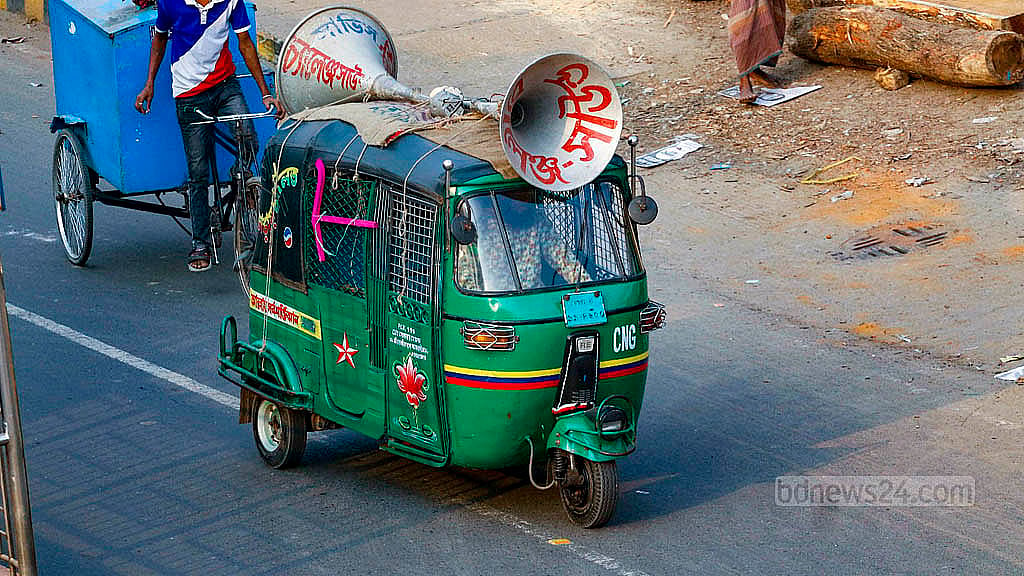
The banners will soon rise, rallies will fill the streets and campaign slogans will echo across constituencies -- but behind the theatre of democracy lies a quieter, more contentious question: who pays for the vote?
As Bangladesh prepares for the parliamentary polls, the Election Commission (EC) has set firm limits on how much candidates and political parties may spend -- and how transparently they must account for every taka.
Yet the scale of the contest, the rising cost of campaigning and the emergence of crowdfunding as a political tool have reopened concerns over whether financial oversight can truly keep pace.
Under election law, candidates must disclose not only how much they spend but also where the money comes from and how it is used. Abdul Alim, who was a member of the electoral system reform commission, says the rules are clear -- but enforcement remains the real test.
The EC completed scrutiny of nomination papers on Sunday. Of the 300 parliamentary seats, returning officers declared 1,842 candidates valid, while 723 nominations were rejected.
With polling scheduled for Feb 12, the commission has kept time until Jan 18 for appeals and their disposal. Nomination withdrawals close on Jan 20, symbols will be allocated on Jan 21, and formal campaigning begins the following day.
HOW MUCH SPENDING IS ALLOWED
From the moment nomination papers are collected until polling day, candidates must submit a detailed account of all election-related expenses to returning officers -- strictly within the prescribed spending ceiling. Political parties, too, face legally defined limits.
This election, the Representation of the People Order (RPO) was amended to raise candidate spending caps to Tk 10 per voter.
Voter numbers vary sharply by constituency. Jhalakathi-1, the smallest, has 228,431 voters, while Gazipur-2, the largest, has more than 804,000.
In Dhaka-17, where there are 333,777 voters, candidates may spend up to Tk 3.33 million. The seat has 10 valid contenders, including the BNP’s Acting Chairman Tarique Rahman, alongside candidates from the Jamaat-e-Islami, Jatiya Party and Islami Andolan Bangladesh. The final list will be confirmed after withdrawals on Jan 20.
At the time of filing his nomination, Tarique told the returning officer he would spend Tk 3 million, sourced from agricultural income and bank deposits. He declared the same amount for Bogura-6, where the voter-based ceiling allows him to spend Tk 4.54 million.
Jamaat-e-Islami chief Shafiqur Rahman said he would spend Tk 3.5 million in Dhaka-15 -- Tk 1 million from his own bank savings and Tk 2.5 million from party donations. Based on voter numbers, his maximum allowable spending there is Tk 3.51 million.
The BNP and Jamaat together have nominated more than 200 party candidates, allowing each party to spend over Tk 45 million under the law.
The convenor of the National Citizen Party Nahid Islam, contesting in Dhaka-11, said he plans to raise Tk 4.4 million through crowdfunding and add Tk 100,000 from personal income. His constituency’s spending ceiling stands at Tk 4.39 million.
DISCLOSURE, PENALTIES AND REFORM
Candidates may fund campaigns using personal money, loans from relatives, voluntary donations from relatives or non-relatives, or funds from individuals or institutions -- but every source must be declared to the EC using the prescribed Form-20.
Abdul Alim told bdnews24.com: “Candidates and parties are required to submit expense statements, and everyone does so in some form. But election spending is not properly monitored. That is where emphasis is needed. I hope the current EC will strictly oversee this issue.”
Party spending caps depend on the number of candidates:
More than 200 candidates: Tk 45 million
100–199 candidates: Tk 30 million
50–99 candidates: Tk 15 million
Fewer than 50 candidates: Tk 7.5 million
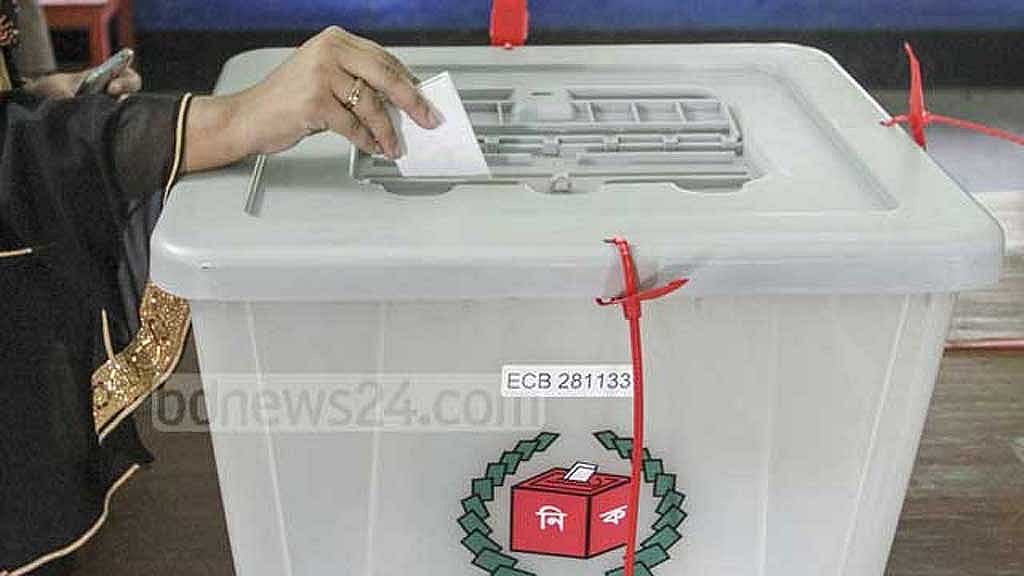
Candidates may spend a minimum of Tk 2.5 million, rising to the voter-based ceiling of Tk 10 per voter, and only on approved expense categories.
Failure to submit accurate expense statements -- or providing false information -- can result in fines and rigorous imprisonment of two to seven years. To facilitate submissions, returning officers’ offices remain open for one month after polling day.
Recent reforms have also reshaped campaigning: posters are banned, billboard numbers capped, and social media promotion permitted. Candidates must submit comprehensive expense reports reflecting these changes.
DOES THE LAW ALLOW CROWDFUNDING?
Election Commissioner Abdur Rahmanel Masud said the commission sees no legal barrier to crowdfunding by individual candidates.
Addressing questions about such financing, he said: “We have seen it. There are no specific provisions regarding crowdfunding. For political parties, the RPO says a registered party may receive a maximum donation of Tk 5 million from an individual or institution.”
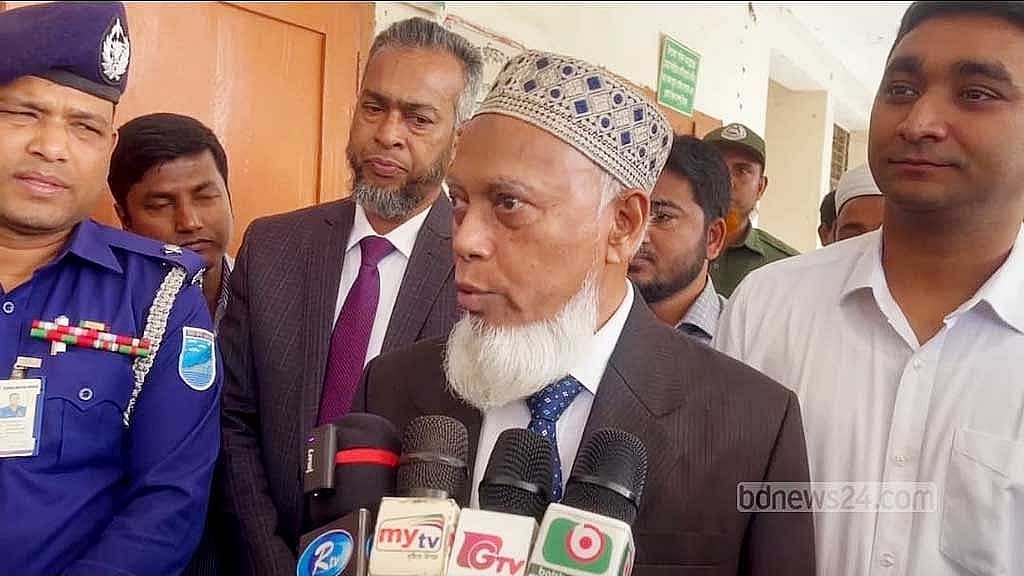
He added, “If someone asks for support in the name of election expenses and others give it, there is little the EC can do. If there is anything to be done, government agencies may look into it.
“If people support someone voluntarily, that is their matter. We will check whether a candidate exceeds Tk 2.5 million or spends more than Tk 10 per voter. If they declare their income source and take money from people, there is no legal bar.”
Independent candidate Tasnim Jara had declared “crowdfunding from the public” as a potential source of campaign finance for Dhaka-9, where the spending ceiling is Tk 4.69 million. Her nomination was rejected during scrutiny for failing to meet the 1 percent voter endorsement requirement.
She filed an appeal with the Election Commission on Monday. Hearings between Jan 10 and Jan 18 will decide whether she can return to the race. Jara has already said that if she is not reinstated, all crowd-funded money will be refunded.