Published : 04 Dec 2025, 09:17 PM
Updated : 28 Aug 2026, 01:30 AM


New national research launched by The Freedom Fund, a human rights oraganisation, has revealed that almost 4 percent of street-involved boys in Dhaka have been subjected to commercial sexual exploitation, exposing widespread risks across the capital’s public spaces and brothel settings.
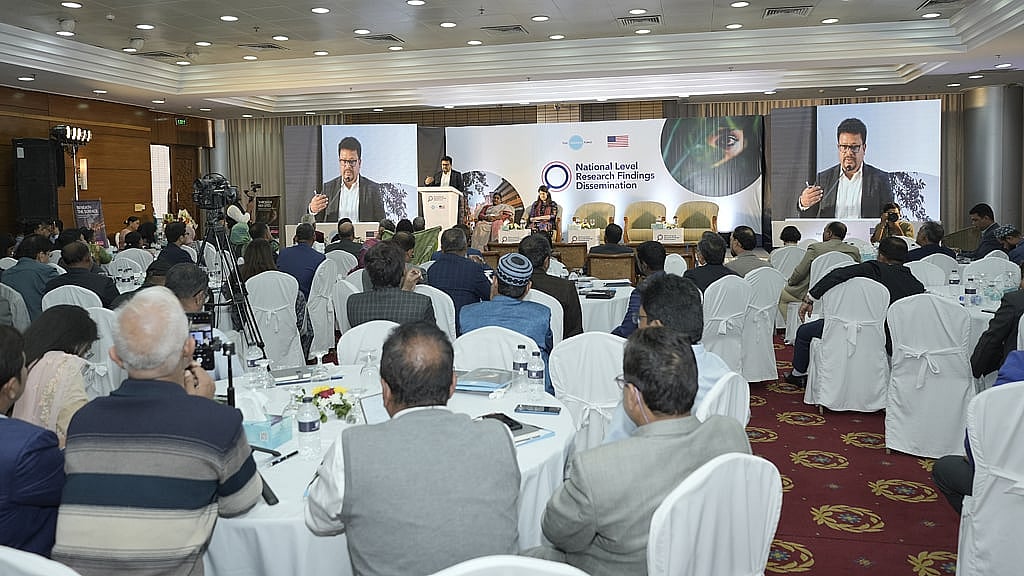
The findings, from two landmark studies entitled Through Her Eyes and Beneath the Surface, were presented at a national dissemination event attended by senior representatives of the Ministry of Women and Children Affairs, Department of Social Services, UN agencies, INGOs, NGOs, and survivor leaders, according to a media statement.
This event was funded by a grant from the United States Department of State, it added.
According to the studies, which draw on surveys, qualitative interviews, and hotspot mapping, researchers examined high-risk environments and brothel communities to generate new insights into the commercial sexual exploitation of children in the capital.
As per the statement, the findings highlight previously underreported patterns of recruitment, coercion, survival strategies, and the critical absence of gender-responsive services for exploited boys and girls.
They also show that exploitation occurs in a wide range of public spaces—including parks, terminals, river ports, and roadside workplaces --as well as within brothel settings, where survivors described restrictive and abusive conditions.
"Girls and boys are being pulled into exploitation through different but equally brutal pathways," said Khaleda Akter, country epresentative of The Freedom Fund Bangladesh. "Girls are deceived through promises of care or financial security, while boys are pushed into survival sex because they are hungry, homeless, and unprotected.
“These findings must drive stronger policies, adequate investment, and an unwavering commitment to prioritising children's safety."
The study on girls shows that most were contacted in their childhood, usually early in adolescence-either through emotional manipulation, fictitious promises of marriage, or offers of jobs in towns and cities.
Once taken to brothels or street-based operations, mobility was severely restricted, with routine violence and coercion from exploiters common.
Many girls reported that once exploited, it was almost impossible to leave without external support, the statement read.
Poverty, family breakdown, and internal migration were also shown to be root causes. For many, the search for work or escape from domestic violence resulted in their exposure to traffickers, who then forced them into exploitative situations.
The group said research on boys presents a similarly stark picture.
It said boys aged 12–17 years described struggles to access food, safe places to sleep, and safety from harassment in public spaces.
A significant proportion reported having sexual intercourse for food, shelter, or small amounts of money, and these exchanges often took place with adults, at times strangers, who approached boys in parks, transport hubs, or secluded street corners.
The report notes that boys are often left out of child protection discussions; equally, Bangladesh has very few gender-appropriate shelters that would provide long-term counseling, health services, and reintegration opportunities responsive to boys' particular vulnerabilities.
These studies highlight gaps that urgently need to be addressed, said Md Saidur Rahman Khan, director general of the Department of Social Services. "While the government operates shelters, legal support services, and rehabilitation programs, the findings show that we must widen our reach, strengthen trauma-informed support, and ensure services are better equipped to respond to boys as much as girls.
The Department of Social Services is committed to integrating these recommendations into ongoing reforms, he added.
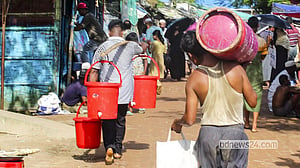
Researchers further noted that victims most often do not report exploitation due to stigma and fear of retaliation. Many individuals lack identity documents, which hinders their access to shelters, schools, and social protection services. In the boys' study, hotspot mapping identified terminals, slums, forecourts of markets, and riverside loading areas as some of the key environments in which exploitation occurred.
This is a critical component of programme design, offering important clues for targeted outreach.
The chief guest of the event, Mamtaz Ahmed NDC, senior secretary, MoWCA, emphasised a more inclusive approach to prevent CSEC and said: “It is important to have a better safe house and social welfare system, and we want your advice in upgrading it.”
Survivor leader Farida Parvin underscored supportive policies, particularly around legal identity and reintegration: “We cannot rebuild our lives without documents proving who we are. Many of us were once denied schooling, healthcare, and even the right to be buried with dignity.
“Today we stand here because organisations believed in us. But thousands of children still need that support.”
These studies emphasise that prevention efforts should begin earlier, with more effective child protection committees, coordinated referral pathways, family-based care models, community awareness campaigns, and specialised training for law enforcement officials, the statement said.
They also underscore the broader drivers of the rising living costs, internal migration, and limited adolescent opportunities, which should be addressed through social protection programs and education pathways that reduce children's vulnerability to exploitation, it added.
The Freedom Fund said long-term investment in child protection yields significant economic and social returns and underlined that Bangladesh's progress would depend upon partnerships across government, civil society, survivor-led groups, and international donors.
The organisation also pledged its commitment to expanding technical support, policy engagement, and community-centered initiatives to ensure no child is left behind.