Home
+
Published : 21 Jun 2026, 09:24 AM
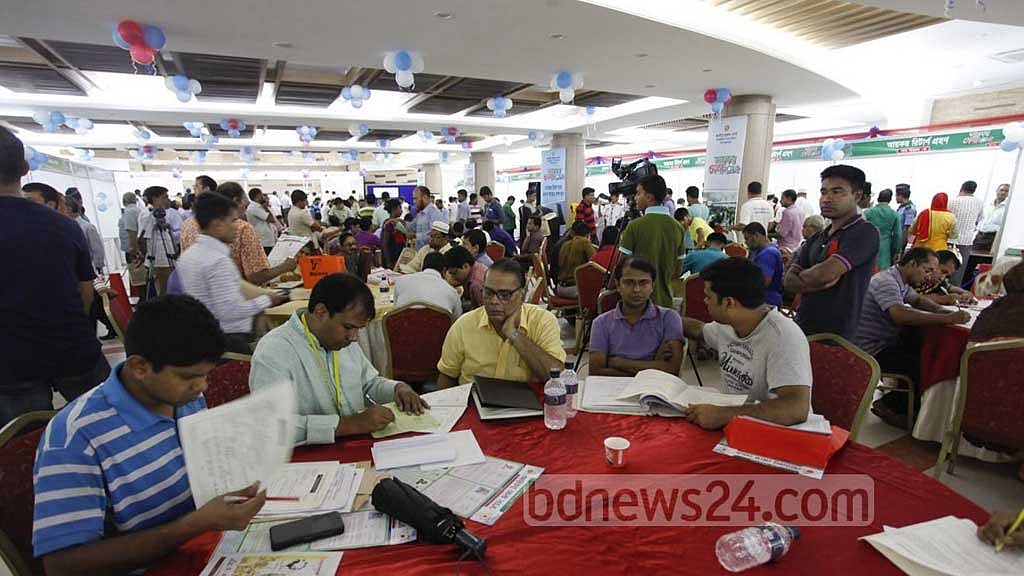
Bangladesh has proposed allowing individual taxpayers to submit income tax returns throughout the year, with a 5 percent rebate for those filing in the first quarter, under changes outlined in the 2026–27 budget proposal.
The proposal comes as repeated extensions of return filing deadlines have still failed to bring in the expected number of taxpayers, prompting revisions through the Finance Bill 2026.
Under the proposed amendment to the Income Tax Act, taxpayers will be able to file returns across the entire fiscal year after the end of an income year.
However, tax payment and incentive calculations will depend on the quarter in which the return is submitted.
According to the Finance Bill 2026, individual taxpayers filing returns between Jul 1 and Sept 30 -- the first quarter -- will be eligible for a 5 percent rebate for early submission, capped at Tk 25,000.
However, the Bill does not provide detailed mechanisms for how the rebate will be applied, raising concerns among tax analysts.
Experts say it would be preferable to adjust incentives at the point of tax payment.
They caution that if rebates are issued through refunds after full tax payment, taxpayers may fear delays or non-receipt.
They also note that if adjustments are tied to audit processes, many may not perceive it as a meaningful incentive.
There are already complaints that excess advance tax or withholding tax is often not refunded promptly, with allegations of administrative delays and informal payments in some cases.
Taxpayers filing in the second quarter, from Oct 1 to Dec 31, will not receive any rebate but will also not face penalties.
Those filing in the third quarter, from Jan 1 to Mar 31, will be subject to a late filing penalty of 2 percent of tax or a maximum of Tk 3,000.
Returns filed in the final quarter, from Apr 1 to Jun 30, will attract a penalty of 5 percent of tax or a maximum of Tk 5,000.
Under the current system, taxpayers generally submit returns by Nov 30 without additional tax, and there is no incentive for early filing.
The government may extend deadlines by one month at a time under special consideration, a practice commonly seen each fiscal year.
Previously, extensions ran until December or January, but in recent years deadlines have been pushed to February and March.
In the current fiscal year, multiple extensions and the introduction of mandatory online filing allowed taxpayers to get up to 90 additional days, with many effectively filing throughout the year without penalty.