Home
+
Published : 24 Jun 2026, 12:53 PM
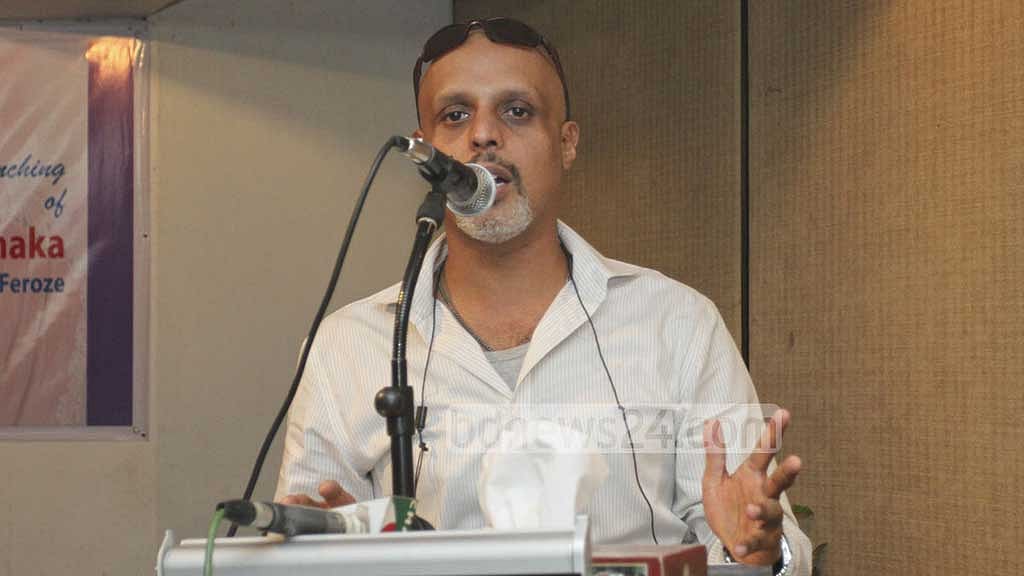
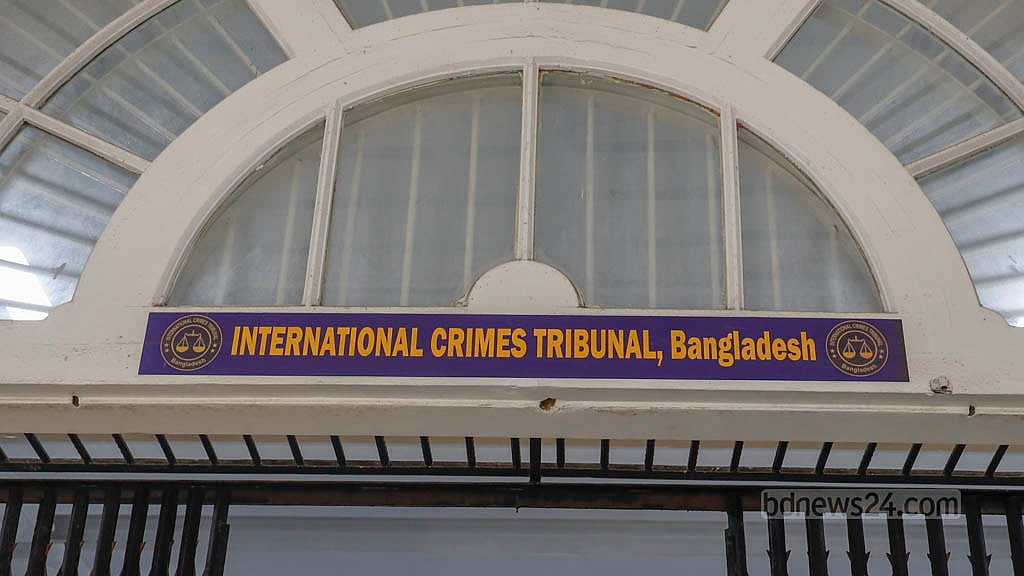
A Supreme Court lawyer has filed a writ petition challenging the legality of the International Crimes Tribunal (ICT) Act, describing the law as unconstitutional and seeking its annulment.
The petition also characterises the tribunal as an instrument of “judicial killings”.
The secretary of the Ministry of Law, Justice and Parliamentary Affairs has been made a respondent in the case.
Petitioner Muhammed Mohshen Rashid, a Supreme Court lawyer and president of a faction of the Bangladesh Muslim League, said the writ had already been placed before a High Court bench led by Justice Khizir Hayat for hearing.
Speaking to bdnews24.com on Wednesday, he said the petition had been filed and submitted several days ago and would be moved again once a hearing date was assigned.
Asked whether a date had been fixed, Rashid said no schedule had yet been set, though he hoped the matter would be heard soon.
Explaining the grounds of the petition, he argued that the existing ICT law was unlawful and lacked any legitimate purpose.
He alleged that amendments introduced in 2009 were later used to carry out what he described as “judicial killings” and claimed further changes made in 2024 had reinforced that role.
Rashid said the tribunal should be abolished, arguing that it had become a mechanism through which people could be executed through judicial proceedings.
He also voiced concerns about future use of the law, saying further amendments could potentially be used against those currently in power.
Bangladesh enacted the International Crimes Tribunal Act in 1973 to prosecute crimes against humanity committed during the Liberation War.
The law was amended in 2009 to allow the prosecution of both individuals and organisations and to provide for the independent functioning of the tribunal.
Under those provisions, the tribunal launched trials in 2010 of senior leaders of Jamaat-e-Islami over alleged war crimes committed during the 1971 Liberation War.
Death sentences handed down by the tribunal were later carried out against five top Jamaat leaders and one Bangladesh Nationalist Party (BNP) leader.
After the fall of the Awami League government during the 2024 July Uprising, the then interim administration led by Muhammad Yunus chose the same tribunal to prosecute alleged crimes against humanity linked to the suppression of the July movement.
The law was amended again to allow the prosecution of the Awami League as an organisation.
Since the tribunal was reconstituted, verdicts have been delivered in four cases, with ousted prime minister Sheikh Hasina and 12 others sentenced to death.