Published : 30 Apr 2026, 07:34 AM
Updated : 21 Aug 2026, 03:39 PM


Raozan, once notorious as a hub of violence in Chattogram, is again witnessing a string of killings.
After remaining relatively calm for nearly one-and-a-half decades, the Upazila has recorded at least 23 murders over the past 21 months.
Since the political changeover on Aug 5, 2024, 17 of those killed until Sunday had links to politics.
The latest victims were Nasir Uddin, who was shot dead in Shamsher Para of Kodolpur Union on Sunday night, and Kawsar Zaman Babul, who was killed in Jungle Raozan early on Saturday.
Local journalists, citing residents, said both were associated with BNP's affiliate organisation Jatiotabadi Jubo Dal, .
Earlier, Abdul Majid, president of Ward No. 4 Jubo Dal, was gunned down in broad daylight at Oli Mia's Hat in Purba Guzra Union on Feb 25.
On Jan 5, Jubo Dal leader Jane Alam Sikder was killed near his home by assailants riding motorcycles.
Apart from the murders, several others have been shot and injured in clashes and attacks in recent months.
At least 200 people have been charged over murder.
Although law-enforcing agencies have repeatedly announced arrests, the bloodshed has continued.
Local journalists and members of law-enforcing agencies say the killings are driven less by politics than by turf wars and personal interests, particularly over hill cutting and sand extraction from streams.

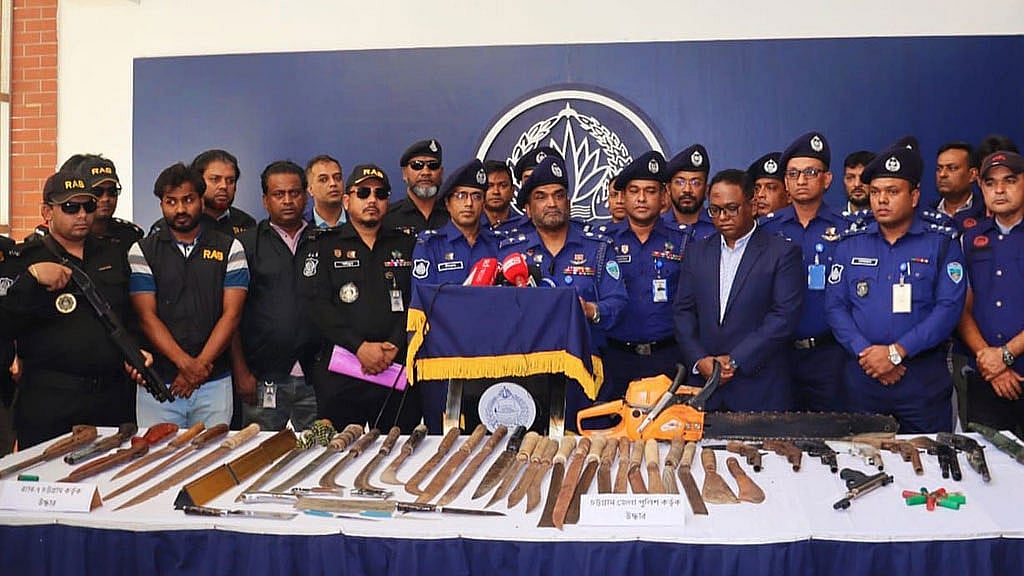
Police had launched a special drive, dubbed "Operation for the Peace of Raozan", to stem the violence.
While several weapons were recovered, the main suspects remain at large.
Following the fall of the Sheikh Hasina government during the mass uprising, supporters of current MP Gias Uddin Quader Chowdhury and BNP Chairperson's Advisor Golam Akbar Khondakar clashed several times in Raozan.
After a major clash between the two factions on Jul 29 last year, BNP dissolved the Chattogram north convening committee and suspended vice-chairman Gias Uddin.
Although tensions initially ran high, local journalists say Raozan politics have largely aligned behind the local MP since Gias secured the party nomination in January.
Former rivals are now working alongside him.
They note that while Raozan saw sporadic killings after 2009, violence never reached this scale.
Under former Awami League MP Fazle Karim Chowdhury, the area remained tightly controlled, and little could happen without his approval.
BNP activists were largely driven out, while those who stayed could barely carry out political activities.
That changed after the political transition.
With BNP supporters returning, competition for influence has intensified.
Most victims, journalists say, had sought to establish local dominance.
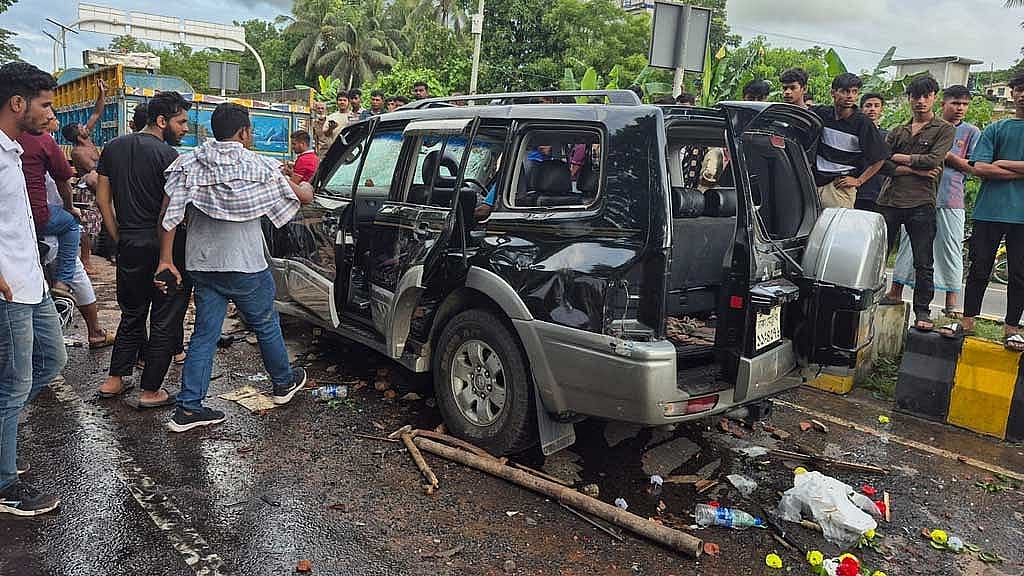
Formerly displaced BNP activists are now aggressively reasserting themselves.
A senior Chattogram police official told bdnews24.com: "The area's geography makes it prone to crime. Such incidents are not new there. The ability to flee after committing crimes is also a factor."
He believes many of those killed had troubled pasts and that most murders stemmed from business disputes.
On Apr 22 last year, Mohammad Ibrahim, a Jubo Dal activist, was shot dead in public at an autorickshaw stand in Gazir Para.
On Jul 6, gunmen wearing burqas shot Md Selim Uddin while he was sitting at a shop in Kodolpur Union.
On Oct 25, Alamgir, also known as Alam, a Jubo Dal activist, was ambushed and killed near a graveyard in Rashidar Para, Ward No. 9 of Raozan municipality.
Golam Akbar had condemned Alamgir's killing, describing him as a Jubo Dal leader.
In a statement, he said Alamgir had spent 12 years in prison during Awami League rule and had only recently been released.
After these three killings, listed criminal Raihan, who is identified by a single name, came under renewed scrutiny.
He has been linked to several murders, including a double killing in Chattogram, and is also a suspect in the Sarwar Babul murder case.
Despite repeated allegations, police have yet to arrest him.
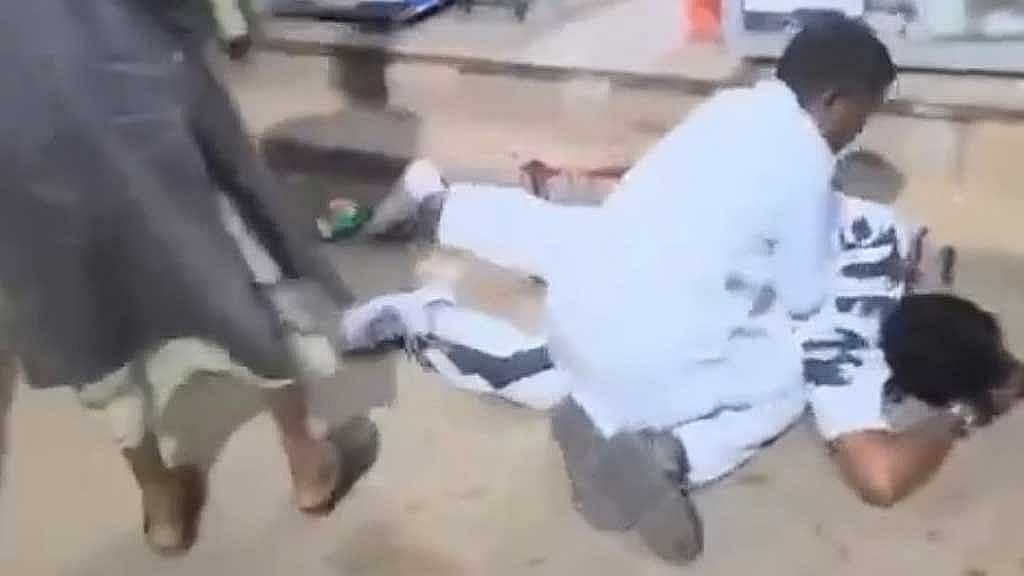
Raihan is known as a close associate of Sajjad Hossain, better known as Boro Sajjad, who has allegedly controlled Chattogram's underworld from abroad for more than two decades.
Local journalists believe every recent killing in Raozan has been linked to territorial control, particularly over sand extraction and hill cutting.
Chattogram Superintendent of Police Nazir Ahmed Khan said on Monday: "Some of the killings in Raozan are linked to territorial dominance, while others are over sand quarries. Whatever the motive, everyone involved will be brought to justice."
"Running away does not mean the end. If not today, then tomorrow, they will be arrested. Additional police have been deployed in Raozan, and operations are ongoing."
At a press conference last November, then Chattogram SP Mohammad Saiful Islam Santu said police had identified around six active criminal groups in Raozan.
"Some of them work as target killers or contract killers. If they attempt further crimes, we will respond with the utmost force. Either the terrorists will remain in Raozan and Chattogram, or police will."
Delwar Majumdar, president of the Chattogram chapter of the Committee of Concerned Citizens, said restoring order in Raozan depends on the determination of law-enforcing agencies.
"Our state's 'manage therapy' often leaves law-enforcing agencies inactive," he said.
"Raozan's people are cultured and peace-loving. But political criminalisation turned it into a centre of terror for years."
He recalled several high-profile murders in the 1990s, including the killings of brothers Titu and Mithu, student leaders Iqbal and Jamil, and, in 1989, Chattogram North Chhatra League leader Fakhruddin Mohammad Babar and Raozan College student union vice-president Mujibur Rahman.
He said no comparable incidents occurred for years afterwards, though prolonged one-party dominance left residents oppressed.
With the end of Awami League's monopoly, many former residents have returned, reigniting old rivalries.
Several local journalists said while political disputes have often led to clashes and gunfire, only three or four of the 17 politically connected victims were likely killed for political reasons.
The rest, they said, were killed in conflicts over dominance.
They cited the Jul 6 killing of Jubo Dal leader Selim in Kodolpur Union.
Two of the attackers, who arrived in an autorickshaw, were wearing burqas.
Nasir, killed on Sunday night, was a suspect in that murder.
Police said he faced six charges, including one for murder.
Raozan Police chief Sajedul Islam said: "A case has been filed over every incident. We are investigating each one with utmost importance. After the latest two murders, we immediately arrested five people."
Asked how many cases had reached the chargesheet stage, he said: "There are quite a few. I would need to check the records to say how far each one has progressed."