Home
+
Published : 15 Jul 2026, 12:47 AM
Receding Tide, Rising Toll
In ruin: Fisheries face a devastating Tk 3.69 billion blow, with millions of fish and shrimp swept away across 42 Upazilas
Cropland submerged: Relentless flash floods drown 114,723 hectares of vital crops, hitting over half a million farmers
Fatalities mount: The human cost rises grimly, with 56 lives lost and dozens injured across the worst-hit districts
Hidden losses: True financial and agricultural damage remains unknown whilst floodwaters stubbornly refuse to recede
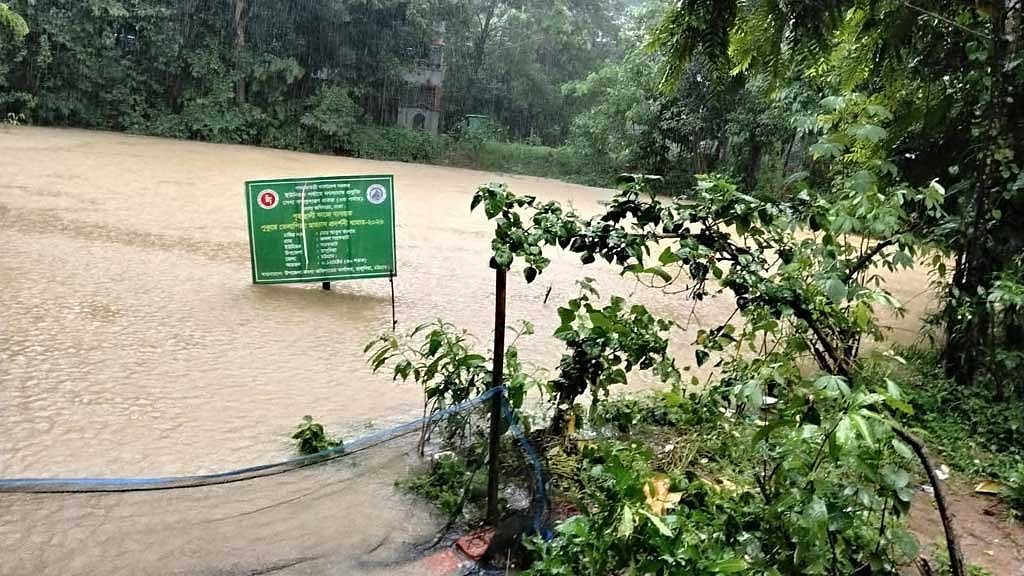
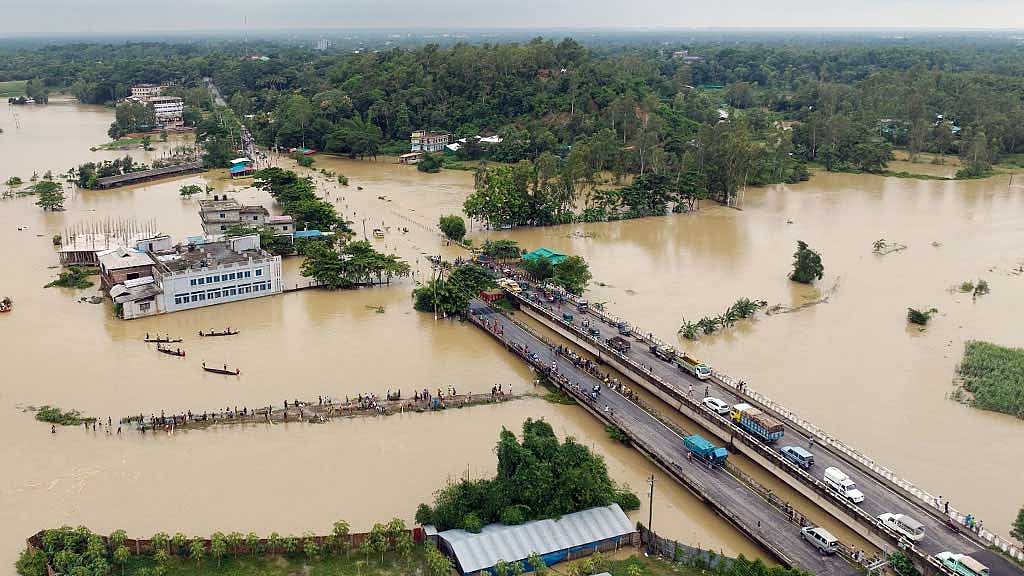
The floodwaters may be retreating in parts of Bangladesh, but what they have left behind is a landscape of shattered livelihoods, submerged farmland and devastated fish farms stretching across much of the country.
Days of torrential rain and flash floods triggered by upstream hill runoff have inflicted widespread damage on the fisheries, livestock and agriculture sectors, leaving hundreds of thousands of farmers facing an uncertain recovery.
Preliminary figures compiled by the Department of Fisheries put losses in the fisheries sector alone at Tk 3.69 billion, making it one of the hardest-hit industries in the latest disaster.
Officials caution that the assessment remains incomplete.
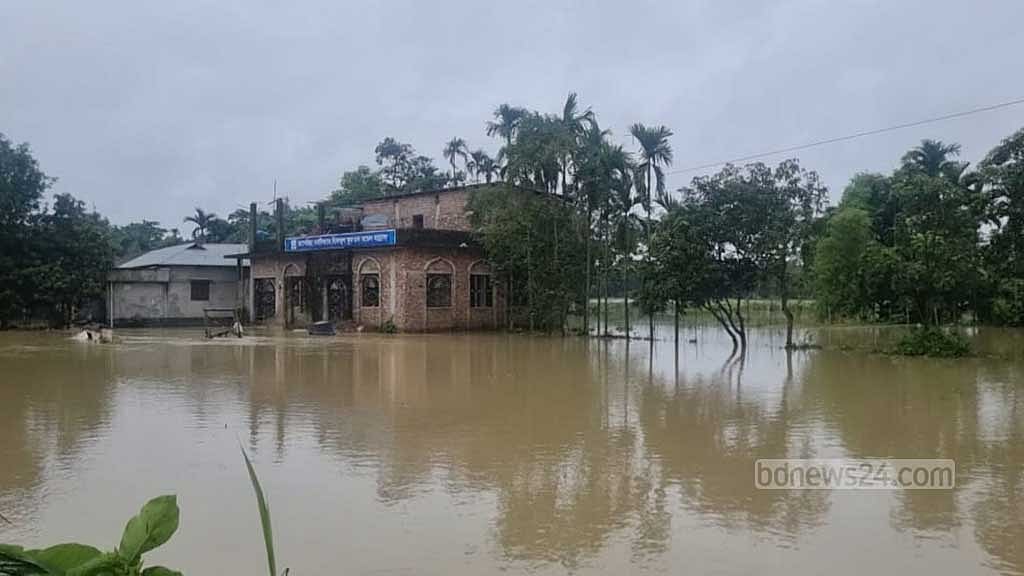
"Water has receded in some places. Once it drains completely, we'll be able to determine the full extent of the damage," said Md Obaidur Rahman Mondal, director of the Field Services Wing at the Department of Agricultural Extension.
Fish Farms Swept Away
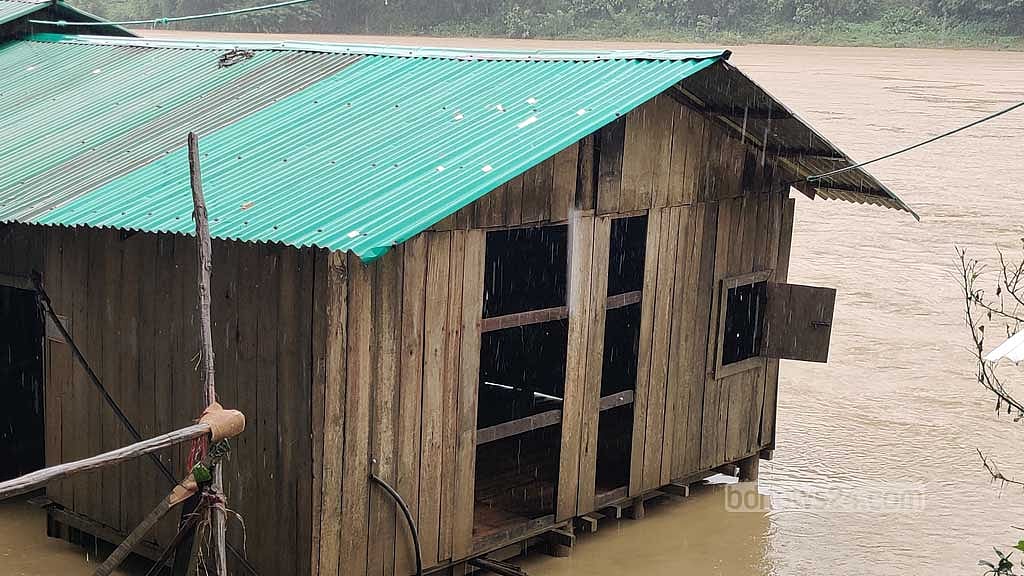
According to the Department of Fisheries' initial assessment, floods damaged 30,036 ponds, reservoirs, shrimp enclosures and fish farms across 602 unions in 42 Upazilas.
The losses include damaged ponds, hatcheries, boats, nets and aquaculture infrastructure, along with millions of fish, shrimp and fingerlings washed away by the floodwaters.
Infrastructure damage alone has been estimated at Tk 438.2 million, including Tk 167.4 million worth of fishing vessels.
The Chattogram Division suffered the heaviest blow.

In the region, floodwaters washed away 19,623 ponds and reservoirs and 784 shrimp farms across 314 unions, pushing total fisheries losses to Tk 1.74 billion.
The livestock sector has also suffered heavily.
Initial estimates by the Department of Livestock Services put losses in Chattogram Division alone at Tk 301.5 million, as flooded grazing land, destroyed shelters and feed shortages left farmers struggling to keep livestock and poultry alive.
The Ministry of Fisheries and Livestock says the reports remain preliminary and that the true financial cost will become clearer once floodwaters disappear completely.
State Minister for Fisheries and Livestock Sultan Salauddin Tuku said officials had been instructed to prepare comprehensive damage assessments before rehabilitation measures are finalised.
"We've asked our field officers to prepare detailed lists showing where and what damage has occurred. Based on those assessments, we'll determine our next steps," he told bdnews24.com.
Floods Batter Farmland
The disaster has also swept through Bangladesh's agricultural heartland.
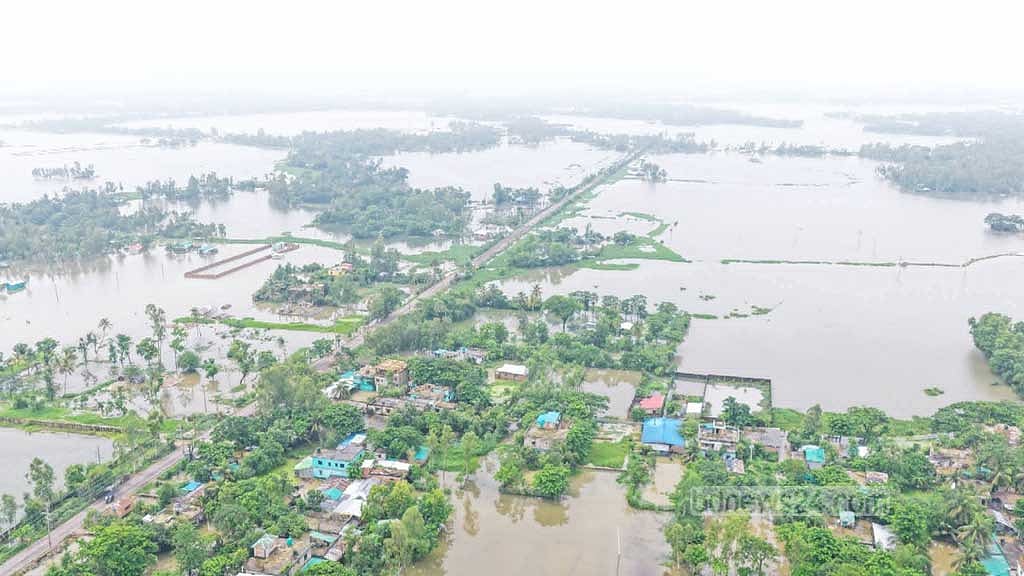
The DAE estimates that between Jul 6 and Jul 13, flooding affected 114,723 hectares of cropland across 43 districts, directly impacting 526,874 farmers.
The inundated land represents a significant share of the 1.31 million hectares of standing crops cultivated this season in the affected districts.
The worst damage has been recorded in Aus paddy, Aman seedbeds and summer vegetables.
Nationally, floods affected 79,550 hectares of Aus cultivation, 10,504 hectares of Aman seedbeds and 17,834 hectares of summer vegetables.
As a result, more than 172,000 Aus growers, 170,000 Aman seedbed farmers and 154,000 vegetable growers have suffered substantial losses.
Jute, chilli, ginger, turmeric, betel leaf plantations and fruit orchards have also sustained damage in several districts.
The heaviest agricultural losses have been reported from the greater Chattogram region, Cox's Bazar, Noakhali and parts of the southern coastal belt, while flooding and prolonged waterlogging also affected central and western districts.
Officials say many areas remain waterlogged, making it impossible to determine how much of the damaged crops can still recover.
"Wherever you look, water that was there the last day has already begun to recede now," DAE Director Obaidur said.
"Chattogram, Cox's Bazar, Bandarban and Rangamati remain among the worst affected. Once the water drains completely, we'll know the actual losses. After that we'll decide on support measures, whether that's Aman incentives, vegetable assistance or other initiatives."
He added that in many districts outside the worst-hit areas, flooding was caused mainly by temporary waterlogging from heavy rainfall, and officials expect a clearer picture within days.
Agriculture Secretary Rafiqul I Mohamed said Aman seedbeds appeared to have suffered the greatest damage.
"We've already taken steps to establish new seedbeds," he said.
"The greater Chattogram region has suffered the most. The agriculture minister will personally visit the area, stand beside the farmers and ensure they receive whatever support they need. The government stands with every affected farmer."
Death Toll Rises
The human cost has also continued to mount.
According to the latest figures from the Ministry of Disaster Management and Relief, 56 people have died in flood-related incidents across Khagrachhari, Rangamati, Bandarban, Cox's Bazar, Chattogram, Moulvibazar and Habiganj.
The floods have inundated 59 Upazilas, affecting 334 unions and 12 municipalities.
Another 39 people have been injured.
At an inter-ministerial meeting on Tuesday, ministers directed government agencies to intensify rescue operations, relief distribution, healthcare services, clean water supply and infrastructure repairs.
Authorities also decided to conduct a comprehensive post-flood assessment once waters fully recede before launching food assistance and rehabilitation initiatives.
The government said fresh seeds would be supplied to affected farmers, damaged rural roads repaired and coordinated relief efforts maintained until normalcy returns.
For now, however, officials acknowledge that the numbers tell only part of the story.
The final cost of the floods, they say, will emerge only after the last pools of water disappear from Bangladesh's fields, farms and fish ponds.