Home
+
Published : 23 Apr 2026, 09:48 AM
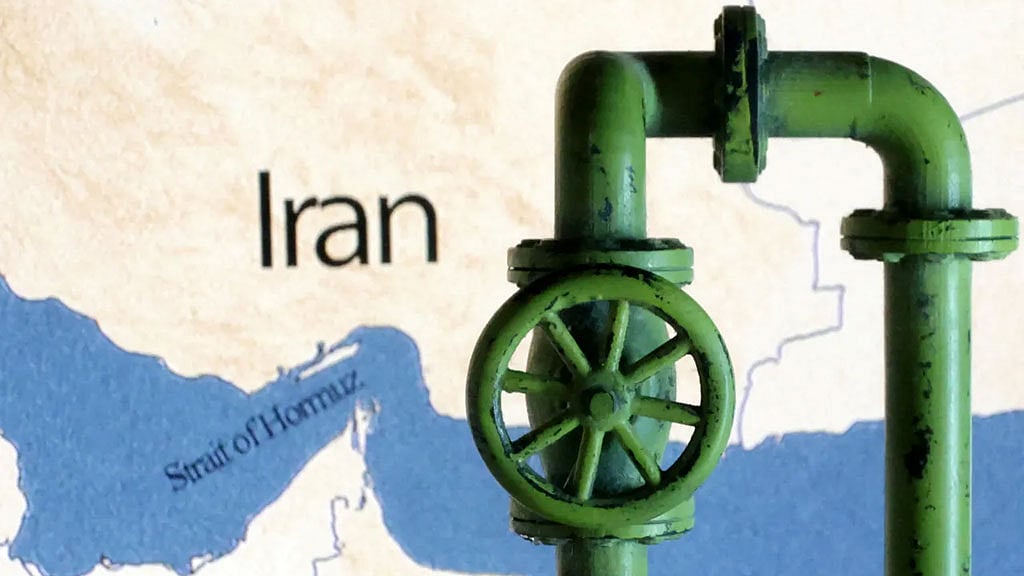
The United States has extended sanctions relief on Iranian oil for 30 days amid mounting pressure from countries vulnerable to supply disruptions linked to the Strait of Hormuz crisis.
On Wednesday, US Treasury Secretary Scott Bessent told a Senate Appropriations subcommittee that the decision followed appeals from several nations, TRT World reports.
He said finance leaders from around 10 countries raised concerns during last week’s IMF and World Bank meetings, pushing Washington to ease restrictions despite earlier signals the waiver would not be renewed.
Turkey’s state-run broadcaster said the move marked a reversal of Bessent’s previous stance, as he had indicated the waivers would expire.
The extension also covers Russian seaborne oil, aimed at stabilising global supply chains under stress.
Bessent faced scrutiny from lawmakers over the optics of easing sanctions during the ongoing conflict.
Senator Chris Coons raised concerns that Iran had gained $14 billion in revenue since late February, while Russia was earning an extra $150 million daily to fund its war in Ukraine.
Brushing aside the figure as a “myth”, Bessent argued the policy was necessary to avoid a price spike.
He warned oil could have surged to $150 per barrel without intervention, adding that the move ensured the global market remained “well supplied” with around 250 million barrels.
He also signalled that US fuel prices could fall below pre-war levels once hostilities subside, pointing to a steep backwardation trend in crude markets where future prices are lower than current rates.
Beyond oil, Bessent revealed that Gulf allies are now seeking currency swap lines similar to one requested by the United Arab Emirates.
He said such facilities would help maintain stability in dollar funding markets and prevent disorderly sell-offs of US assets.
“Swap lines… are to maintain order in the dollar funding markets,” he said, adding that such arrangements would benefit both Washington and its partners.
The push comes as Gulf economies face mounting pressure from the war.
Missile attacks by Tehran on regional allies have damaged key infrastructure, while restrictions in the Strait of Hormuz have disrupted oil exports critical to their revenues.
A potential swap line would allow central banks to access US dollars at lower cost, helping shore up reserves and support currencies such as the dirham, which is pegged to the dollar.