Published : 03 Mar 2026, 07:00 PM
Updated : 21 Aug 2026, 03:26 PM


Tensions in the Strait of Hormuz have intensified, raising fears of a global energy shock as oil prices climb amid the escalating war between Iran, the United States and Israel.
On Monday, an Islamic Revolutionary Guard Corps (IRGC) commander declared the strait “closed” and warned that any vessel attempting to pass through would be set “ablaze”, according to a report published by Al Jazeera.
Here’s why that matters.
What is the Strait of Hormuz?
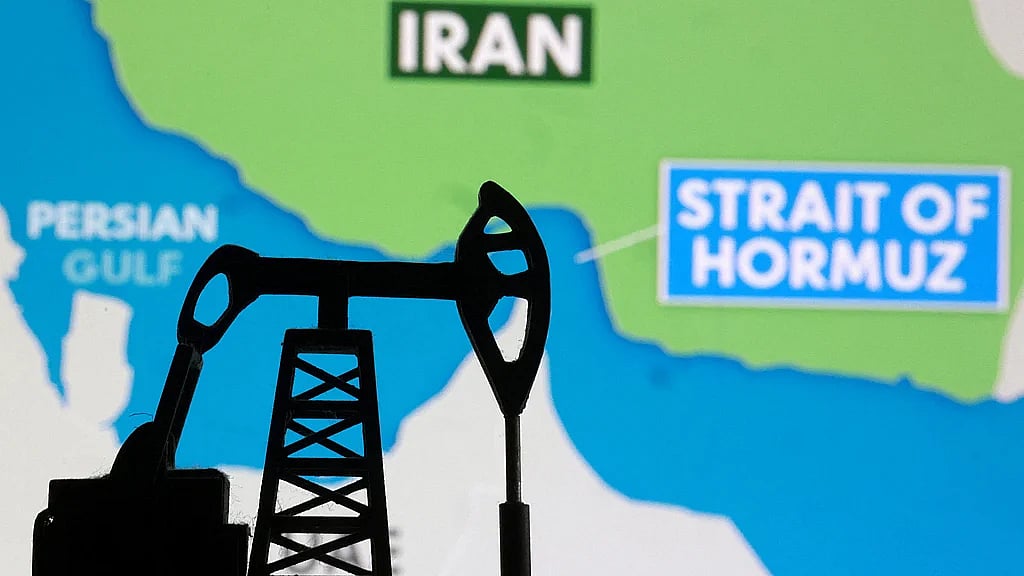
The Strait of Hormuz is a narrow waterway between Iran and Oman. Despite its size, it is one of the world’s most critical energy chokepoints.
Roughly 20 percent of global oil supplies pass through the strait, making it indispensable to the functioning of international energy markets.
Why are oil prices rising?
As of Tuesday, oil prices have risen for a third consecutive day, with Brent crude futures nearing $80 a barrel.
Markets are reacting to the risk of disruption. If shipping through the strait is interrupted, global oil supplies would tighten sharply. There are growing fears that prices could climb to $100 per barrel in the coming days if the war continues.
Who would be most affected?
The majority of crude oil transported through the Strait of Hormuz is destined for Asia.
China, India, Japan and South Korea account for nearly 70 percent of shipments, according to the US Energy Information Administration. Any disruption would therefore have immediate consequences for Asian economies.
Is it only about oil?
No. Other energy products are also at risk.
About 30 percent of Europe’s jet fuel supply either originates from or transits via the strait. In addition, roughly one-fifth of the world’s liquefied natural gas (LNG), passes through the waterway.
That means aviation fuel supplies and natural gas markets could also face pressure.
Why is this significant?
Any prolonged disruption in the Strait of Hormuz would likely send crude prices soaring further and heighten fears of a broader regional escalation.
Because of the strait’s central role in global energy flows, instability there has consequences far beyond the Middle East, affecting fuel prices, transportation costs and economic stability worldwide.