Home
+
Published : 18 Jun 2026, 05:49 PM
Fans and pundits have been asking the same question after a string of spectacular goals at the World Cup: should the goalkeepers have saved them?
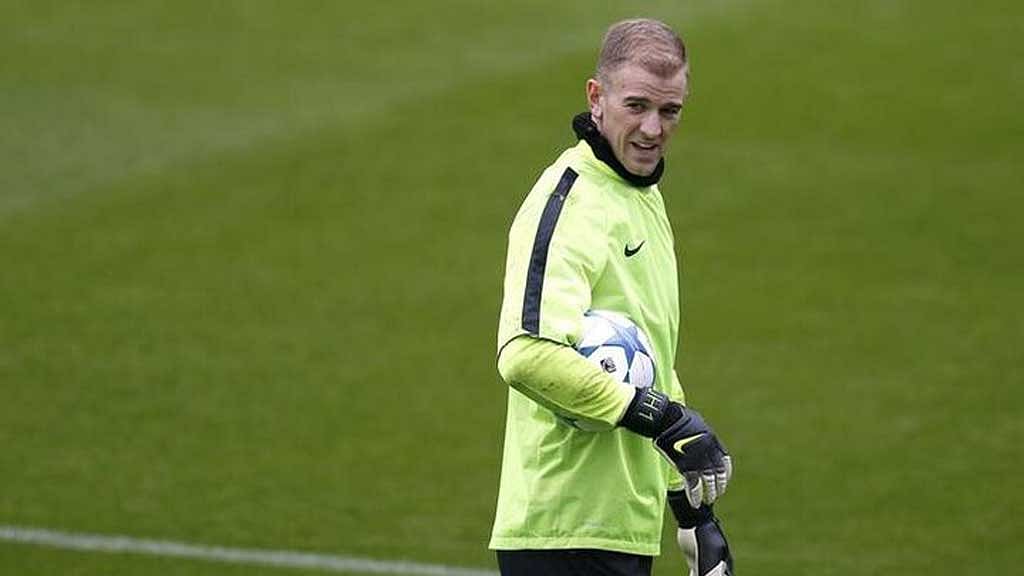
Former England goalkeeper Joe Hart believes the answer may not be as simple as blaming the men in gloves.
He has offered a technical explanation for why Jordan Pickford, Edouard Mendy and Luca Zidane all appeared to be beaten by shots that many observers felt were within reach.
Speaking on the BBC’s World Cup coverage after England’s 4-2 win over Croatia early on Thursday, Hart said Pickford would probably be disappointed after getting a hand to Martin Baturina’s strike but failing to keep it out.
“I think Jordan Pickford gets a full hand on it,” Hart said. “I think he’ll be disappointed that he didn’t save it.”
But when asked whether he had a theory about goalkeepers at this World Cup, the former Manchester City and England No 1 pointed to a wider pattern.
Hart said he had noticed earlier in the tournament that high shots seemed to be reaching goalkeepers faster than they expected.
“I honestly feel like this ball is coming onto the goalkeeper a lot faster than they feel it is off the foot,” he said.
According to Hart, the problem appears to be one of timing rather than positioning. Pickford, he said, flew across to reach Baturina’s strike but could not quite get the right hand shape behind the ball.
The same issue, the two-time Premier League winner argued, was visible when Kylian Mbappe beat Senegal goalkeeper Edouard Mendy, a Champions League winner with Chelsea, earlier in the tournament.
Hart said Mbappe’s effort was clearly a good strike, but not the sort of shot that would normally leave a goalkeeper of Mendy’s quality looking so late with his hands.
“He just doesn’t time it,” Hart said.
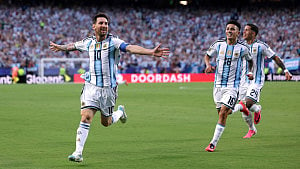
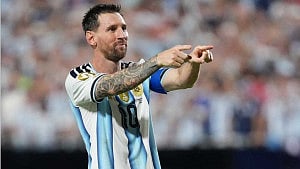
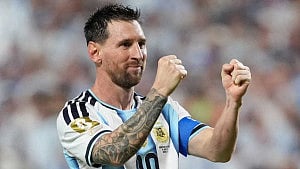
The former Manchester City goalkeeper then used Lionel Messi’s goal against Algeria goalkeeper Luca Zidane as another example.
He argued that the strike was good rather than unsaveable. Zidane appeared to be preparing to push the ball over the bar, but the shot was on him before he could get his hands into the correct position.
“He ends up kind of pushing at it rather than pushing it over the bar,” Hart said.
The discussion came amid growing debate over whether elite goalkeepers are being beaten too easily by high shots at the tournament.
Hart said he did not want to excuse every goalkeeping error, but suggested that several top-class keepers at World Cup level were experiencing the same small delay in hand-eye timing.
He also said conditions inside roofed stadiums may be playing a part.
Former England and Manchester United striker Wayne Rooney, who played and coached in the Major League Soccer (MLS), said the ball can move quicker indoors than in open-air stadiums, with small environmental differences making a major impact at elite level.
Hart believes the issue may fade as the tournament goes on and goalkeepers become more familiar with the atmosphere, stadiums, and the official World Cup ball.
“I honestly think as the tournament goes on, we’re going to see those shots saved,” he said.
The 2026 World Cup is being played across the United States, Canada and Mexico, meaning teams and goalkeepers must adjust not only to different opponents but also to changing stadium conditions, climates, roofs and altitudes.
For Hart, those tiny details could decide matches.
Hart’s view offers a more nuanced reading that these may not simply be goalkeeping mistakes, but the early signs of keepers still learning how this World Cup ball really travels.