Home
+
Published : 01 Jul 2026, 11:44 AM
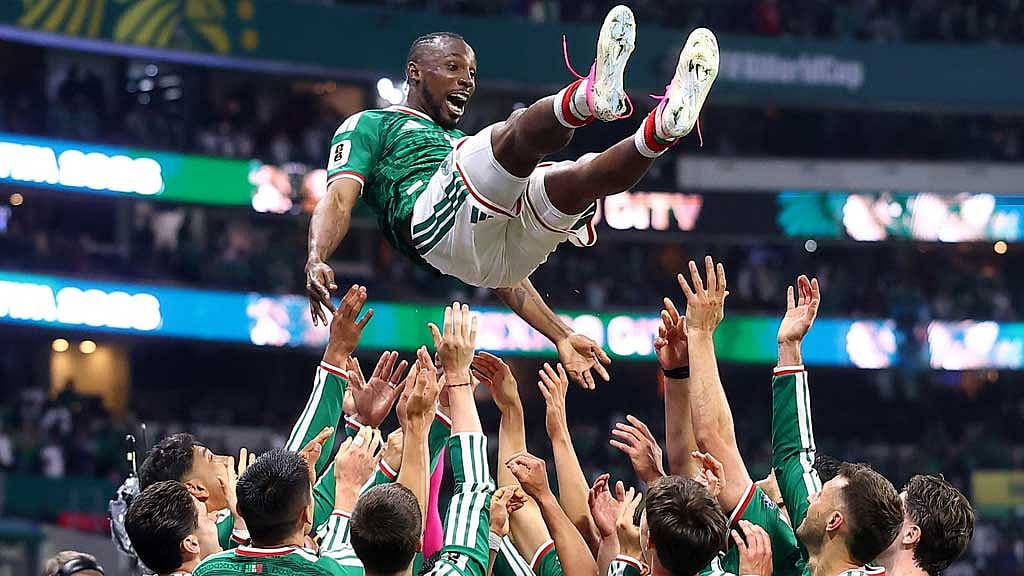
Julian Quinones did not grow up dreaming of scoring for Mexico, but on Tuesday his third goal at the 2-0 win over Ecuador that gave home fans more reason to believe that this is their year.
The Colombian-born forward has been a key figure in Mexico's run to the round of 16, as the co-hosts ended a 40-year wait for another knockout-stage victory at the tournament.
The last time Mexico won a World Cup knockout match was a 2-0 win over Bulgaria at the same venue in 1986, with fans having to suffer the agony of watching talented teams come up short in the group stage or the first knockout round.
As Quinones drove Mexico forward on Tuesday, the chant that has followed the hosts through this tournament rolled around the stadium again: "¿Y si sí?" — roughly translated, "What if?"
It is a question loaded with decades of hurt.
What if Mexico can go beyond the familiar ceiling? What if the fifth game is not the end point but the start of something bigger?
Quinones has become the player Mexico looks to for the answers.
Born in Colombia but forged in Mexican football, he has made this World Cup feel personal.
Quinones led the way against Ecuador, unleashing a thunderous finish into the top corner for his third goal of the tournament.
In the group stage, he scored in the opener against South Africa, helped stretch South Korea in a tense 1-0 win in Guadalajara, then struck again against the Czech Republic.
"We have more to do, work harder so people can be happier," Quinones told FIFA.
"I'm happy with the result. My individual success stems from all the teamwork, and I'm always happy to wear this jersey. All I feel is happiness for all the work we're doing as a group; individual success is secondary," he told reporters.
The 29-year-old built his career in Liga MX, became a champion with Atlas and Club America, and chose Mexico despite Colombia's interest.
In a 2023 interview with Mexican broadcaster TUDN, Quinones said he did not even read a letter from the Colombian federation before rejecting the chance to represent the country of his birth.
For some supporters, he is proof that belonging can be earned in sweat, goals and nights like this. For others, he is simply the forward Mexico have long needed: fast, direct, forceful, unafraid of the moment.
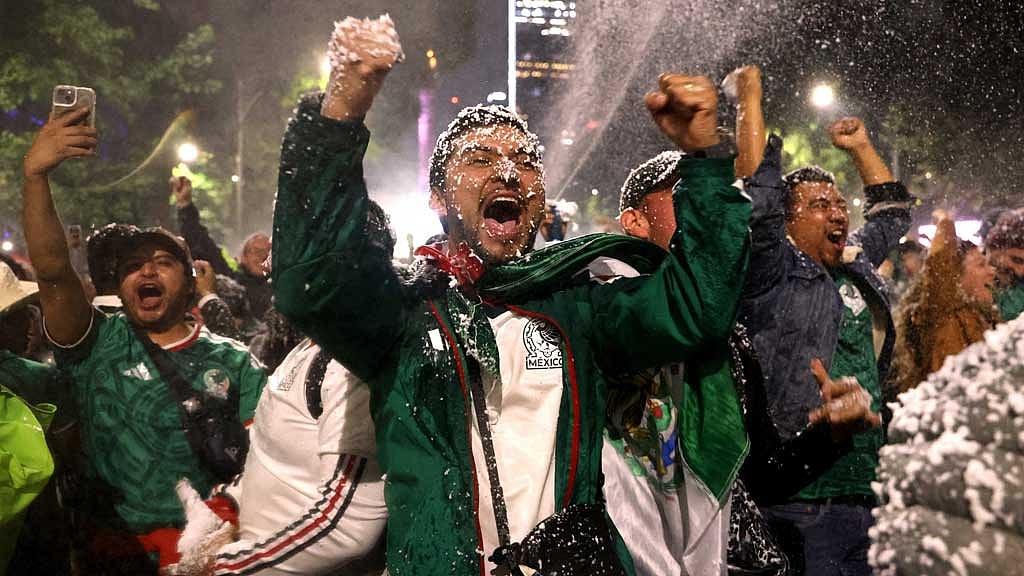
At the final whistle, the Azteca did not sound like a stadium relieved to have survived. It sounded like one daring itself to believe.