Home
+

Published : 10 Aug 2023, 04:07 AM
Although the BNP maintains it will not contest polls under the Sheikh Hasina government, the ruling Awami League is preparing for the next general election assuming that their arch-rivals will ultimately join the process.
Some policymakers of the Awami League, the party in power for three consecutive terms, share the idea that the BNP will participate in the election and the party in power will talk the opposition into contesting the election.
As the 12th parliamentary election nears, the debate surrounding the demand for an election-time caretaker government has heated up.
This system was removed from the constitution in 2011 and has since become the bone of contention between Bangladesh's two principal political adversaries.
After the abolition of the caretaker government system, the BNP abstained from the 10th general election in 2014.
Its attempt to disrupt the election did not come to fruition, and the Awami League was successful in conducting the vote.
Only seven of the BNP contestants won their seats but last year all of them resigned from parliament as part of their anti-government movement.
The BNP is now busy running a one-point protest movement to push the Awami League administration out.
The Awami League has been preparing for the upcoming election amid the BNP’s protest movement.
Party chief Hasina met the Awami League leaders from across the country on Sunday and gave them a series of directives centring the vote.
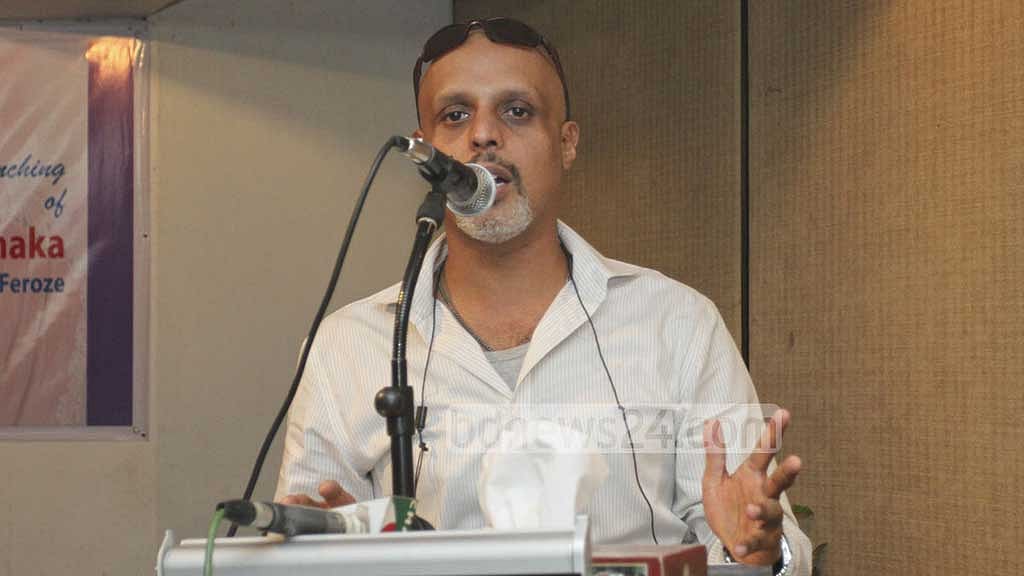
The ruling party is moving forward towards the election all the while tackling protests by the BNP, said Jahangir Kabir Nanak, a member of the party’s policy-making forum.
“The Awami League’s prime target is to hold a free and fair election. We’ll prevent anyone from trying to foil the election and present a nice election to the people,” he said.
The BNP will be at a disadvantage if it boycotts the election, believes the Awami League presidium member.
“People in Bangladesh want an election while the BNP is hatching plots to foil it. Bangladeshis will dump the BNP forever if they try to thwart the election.”
Although Nanak gave a tough message about the BNP’s protests, another presidium member Kamrul Islam said the ruling party would try to persuade it to contest the election.
“We never want to win an uncontested election. We want them to take part in it so that the election is competitive,” he said.
“We look forward to seeing all political parties taking part in the upcoming election. Hence, we’ll try to bring the BNP to the vote.”
He, however, warned that the government will resist the BNP if it tries to create unrest the way they did in 2014 by boycotting the election.
Analysts believe that the 2014 election was not a participatory one as most of the political parties stayed away from it.
At the same time, the 2018 election was participatory but questions were raised against the election results both at home and abroad.
Western diplomats have become active ahead of the election, meeting leaders of both sides to express their desire to witness a free and fair election in Bangladesh.
The BNP told the foreign diplomats that it did not believe a free and fair election would be held with Hasina staying on as prime minister.
On the other hand, the Awami League is unwilling to meet the BNP’s demand for a non-partisan caretaker government.
“Now if the BNP remains firm on its demand, will the country see another election like the one in 2014?” bdnews24.com asked Awami League Organising Secretary Abu Sayeed Al Mahmud Swapan.
“The BNP will not take part in the election unless there’s a caretaker government – this can’t be their last word in politics,” he said in reply.
The BNP lives by ‘kowtowing’ to the foreigners and those foreigners will play a key role in making them contest the election, he said.
“Those people (foreigners) the BNP depends on have reviewed the Bangladesh constitution, all electoral laws and rules and found that the Election Commission is responsible for organising an election and not the election-time caretaker government.”
“Now they [foreigners] are having discussions with the Election Commission. Once the discussions end, the BNP’s guardians [foreigners] will order it to take part in the election. Nevertheless, the prime minister promised to assist the commission to hold a free and fair election.”
There is no option to hold an election in an unconstitutional way, said Awami League Office Secretary Biplob Barua.
Seeking to challenge their rival, Hasina suggested to her party lieutenants to highlight the development projects done by the Awami League government in the past one and a half decades to the people while seeking their vote.
“The Awami League worked for people from all walks of life. No one else thought about the people before. Please spread these words among the people. Take the information about our development work, the changes we’ve brought to the people,” she said during the meeting on Sunday.
This was the Awami League’s strategy to win the hearts and minds of the voters, said Joint General Secretary Mahbub-U Alam Hanif.
“The Awami League has a clear vision, and that is to win a free, fair, and acceptable election and propel the country and its people forward,” he said.
“We want to come to power again after being chosen by the voters and continue our journey to the path of development.”
Office Secretary Biplob nurtures a thought similar to that of Hanif.
He said the voters would respond well if the party could present the outline of a developed, prosperous and ‘Smart Bangladesh’ to them.
“Our target is to turn the country into ‘Smart Bangladesh’ as envisioned by the prime minister and make it a developed and prosperous country. To implement this, we targeted a free, fair, and acceptable election held as per the constitution.”
[Writing in English by Sabrina Karim Murshed; editing by Osham-ul-Sufian Talukder]