Home
+
Published : 27 May 2025, 08:23 PM
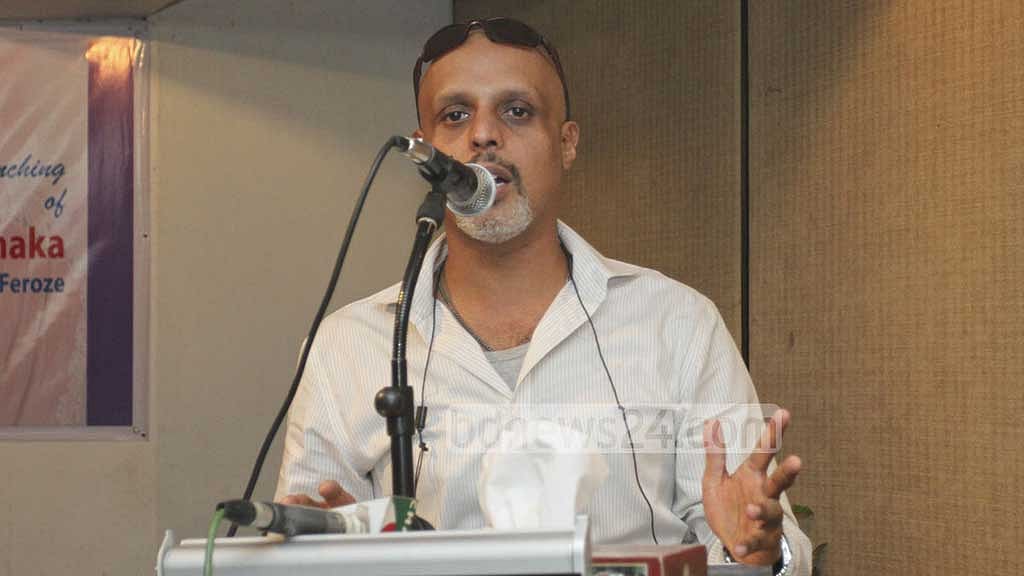
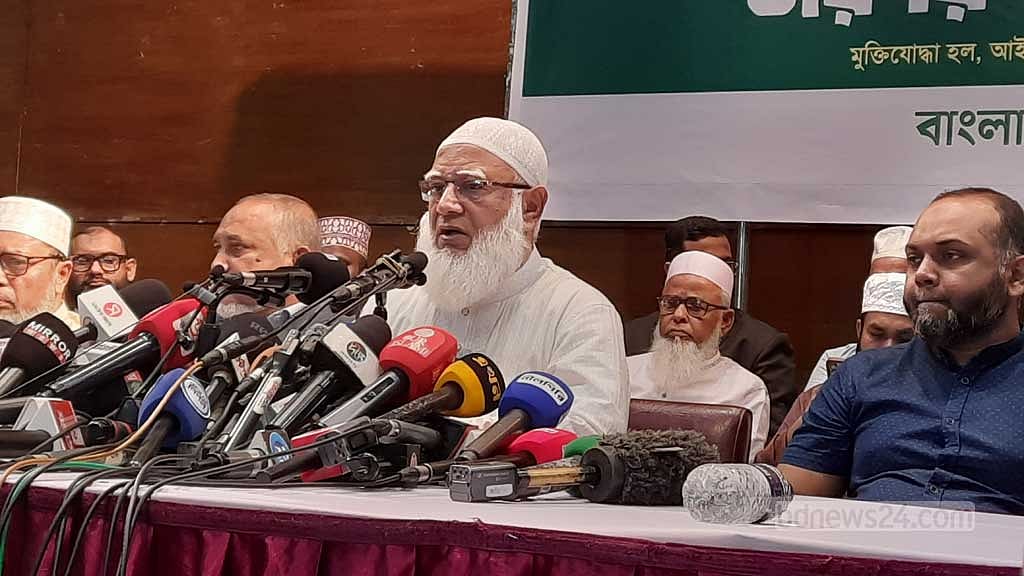
Jamaat-e-Islami chief Shafiqur Rahman has offered an unreserved apology to anyone who may have been harmed by the party or its members, saying no individual or political party is free from error.
“We are human, and as a party, we do not claim to be infallible,” Shafiqur said at an emergency media briefing held at the Institution of Diploma Engineers, Bangladesh in Kakrail on Tuesday.
“Whoever has been hurt--wherever, whenever--by any member or associate of our party, we sincerely ask for your forgiveness. Please forgive us.”
The press conference came hours after the Appellate Division overturned the death sentence of senior Jamaat leader ATM Azharul Islam and acquitted him of war crimes in a rare reversal following a review petition.
In his remarks, Shafiqur addressed the war crimes trials conducted during the Awami League's tenure, as well as recent political developments following the July Uprising.
He characterised the ICT verdicts against Jamaat leaders as part of a “deliberate purge” aimed at decimating his party's leadership.
“This verdict [on Azharul Islam] has made it clear there was an intentional effort to eliminate Jamaat’s leadership,” he said.
After returning to power in 2009, the Awami League government established the International Crimes Tribunal to prosecute crimes committed during the 1971 Liberation War.
Following convictions and Supreme Court reviews, five senior Jamaat leaders, including party chief Matiur Rahman Nizami, and one BNP leader were executed.
Azharul, then assistant secretary general of Jamaat, was among those sentenced to death by the tribunal, a verdict upheld until this week.
Shafiqur also reflected on his party’s failure to adequately support those affected by political violence and injustice over the years.
“We tried to stand by the people during difficult times, even when we ourselves were under threat. We stood with families of martyrs, the wounded, and the disabled. But we acknowledge our shortcomings. At times, we were not allowed to do more. Even now, we face limitations. Still, we ask for your forgiveness.”
Calling for a shift in national politics, he urged all political stakeholders to prioritise the people's welfare over vengeance and division.
“Let us end the cycle of political revenge and discrimination. Let us work together for a just, humane, and welfare-oriented society—free from corruption, misrule, and inequality. We seek your support, friendship, and prayers to build such a nation.”