Published : 17 Oct 2025, 07:11 AM
Updated : 21 Aug 2026, 02:36 PM


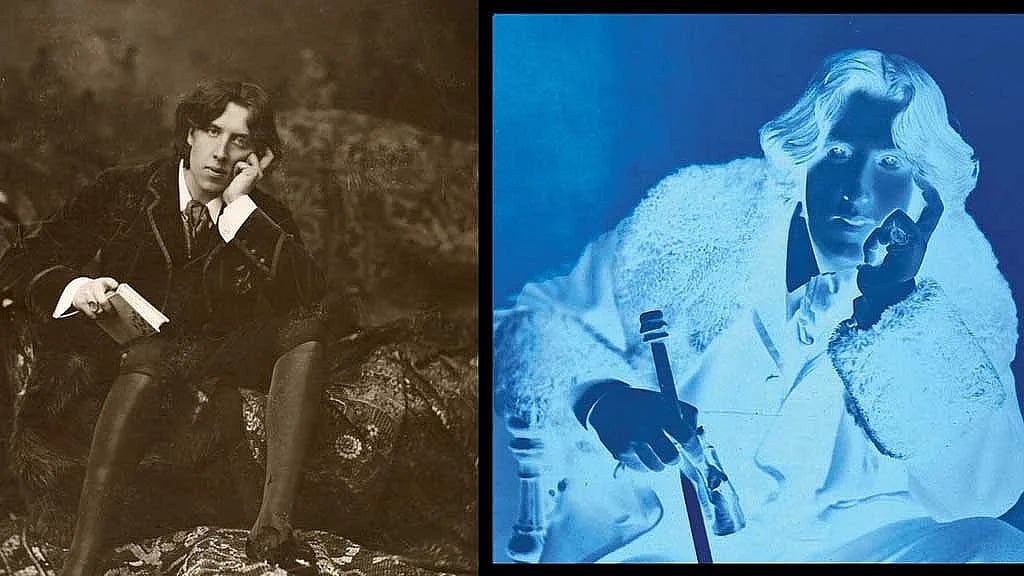
The British Library has reissued a reader’s card to Oscar Wilde, 130 years after the original was revoked following his conviction for "gross indecency”.
According to a BBC report, Wilde -- the celebrated playwright, poet, and novelist -- was expelled from the British Museum’s reading room in 1895 after being prosecuted for homosexual relationships, which were deemed criminal under Victorian law.
It said the reinstated card will be formally received by Wilde’s grandson, author Merlin Holland, during a ceremony at the library on Thursday, the day that would have marked the writer’s 171st birthday.
The British Library said the move was intended to “acknowledge the injustices and immense suffering” endured by Wilde during his lifetime.
Calling the gesture “a lovely act of forgiveness,” Holland said his grandfather’s spirit would be “touched and delighted” by the symbolic restoration.
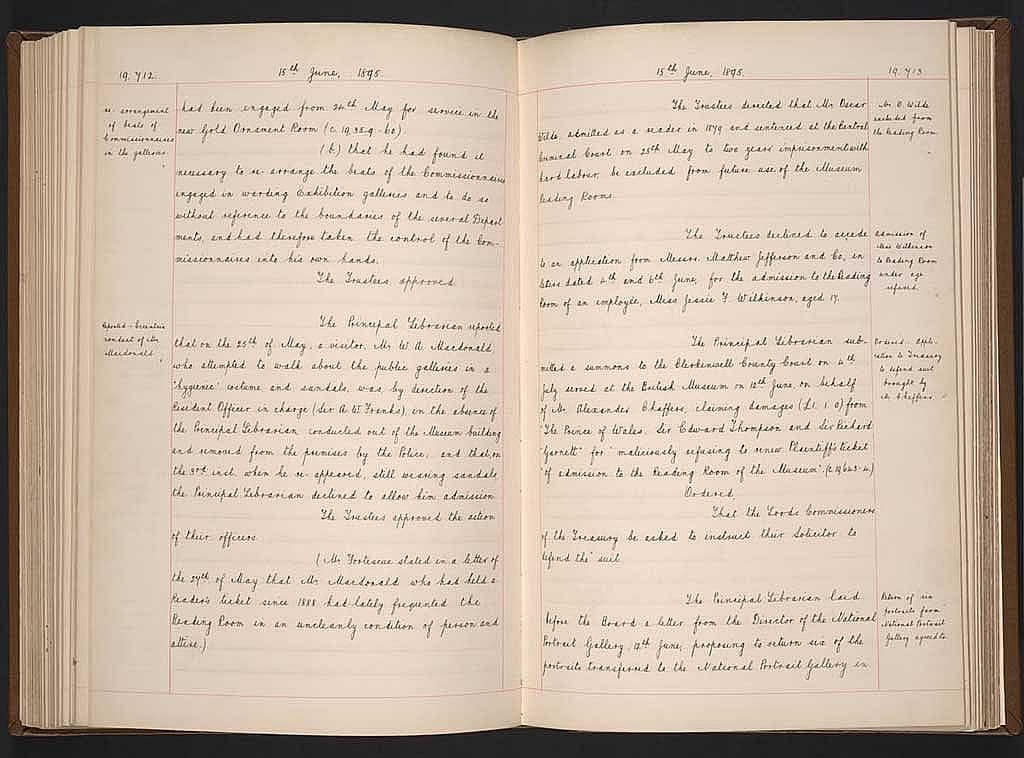
The report added that the decision to revoke Wilde’s original pass was quietly noted in the museum trustees’ minutes on Jun 15, 1895, without comment, as the writer began serving a two-year prison sentence with hard labour.
His conviction followed a failed libel case against Lord Queensberry, who had accused him of homosexuality after discovering Wilde’s relationship with his son, Lord Alfred Douglas -- better known as Bosie.
It read that under the library’s regulations at the time, any person convicted of a crime automatically forfeited their reader’s privileges.
The British Library now houses several handwritten drafts of Wilde’s celebrated works, including The Importance of Being Earnest, An Ideal Husband, A Woman of No Importance, and Lady Windermere’s Fan.
Its collection also features De Profundis -- the moving letter Wilde penned to Bosie from Reading Gaol.
Speaking to BBC Radio 4’s Today programme, Holland said he felt “both proud and somewhat burdened” by his grandfather’s extraordinary legacy.
He recounted how readers have written to him, saying De Profundis helped them find hope during periods of deep despair.
The report also said Dame Carol Black, chair of the British Library, hailed Wilde as “one of the most significant literary figures of the nineteenth century.”
She noted that by reinstating his card, the library sought “not only to honour Wilde’s memory but also to confront the injustices and immense suffering he endured.”
It added that the library was “delighted” to welcome Holland -- author of After Oscar: The Legacy of a Scandal -- to collect the reissued card on behalf of his grandfather.