Published : 18 Feb 2026, 05:31 AM
Updated : 21 Aug 2026, 03:22 PM


The air across the country is thick with the scent of rosewater and syrupy sweets, punctuated by the deafening roar of processions. As dusk fell over the South Plaza of parliament, the reality of a new era took hold.
After two decades in the wilderness and nearly two decades of anticipation, the Bangladesh Nationalist Party (BNP) has returned to the helm, ushering in Tarique Rahman as the nation’s new premier.
However, the composition of the 49-member government -- a strategic blend of veteran stalwarts and fresh technocrats -- has created a vivid map of political “haves” and “have-nots”.
The Heartland Rejoices
In Bogura, the atmosphere was nothing short of electric. For the locals, this was not just an election result; it was the homecoming of a “son of the soil”.
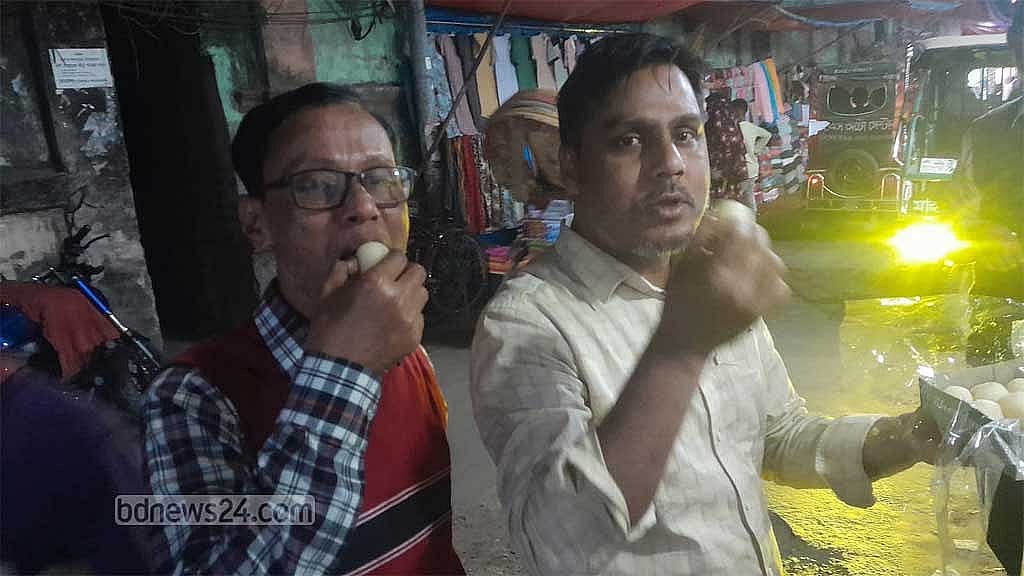
At every tea stall and office corner, the refrain was the same: “Bogura’s boy, Tarique, is now the prime minister.”
“Our wait is over. We are overjoyed,” said Abinash Chandra of Sherpur. “We want to see Bogura, the capital of the north, transformed into a twin of Dhaka.”
Rezaul Karim Badsha, district BNP president, echoed the sentiment: “The dream of 18 years has become a reality.”
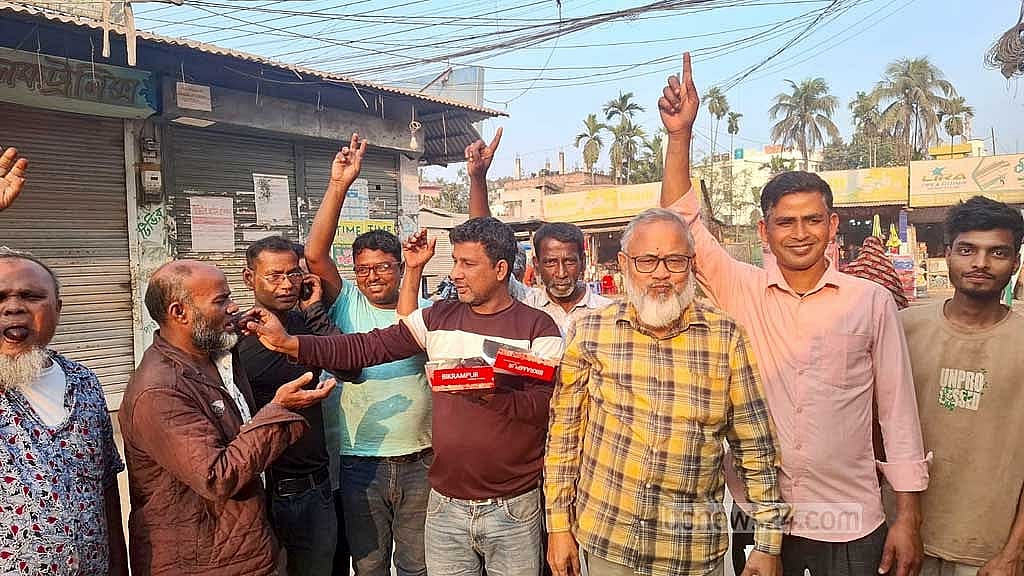
In Thakurgaon, the elevation of BNP Secretary General Mirza Fakhrul Islam Alamgir to the local government ministry sparked an immediate carnival.
Party workers watched the oath on flickering screens before spilling into the streets to distribute sweets.
“The clouds of deprivation have finally cleared,” local leaders remarked, eyes set on a future of new hospitals and schools.
The North Reawakened
The northern frontier saw a surge of hope as Asadul Habib Dulu was promoted from his former status as a deputy minister to a full cabinet minister.
For the farmers of Lalmonirhat, Dulu is more than a politician; he is the architect of the “Teesta Mega Plan”.
“Dulu Bhai is a full minister now; our worries are gone,” said Ohidul Islam, a local farmer. “If the Teesta project happens, our fortunes change forever. We will be free from river erosion and drought.”
New Faces, New Ambitions
In Manikganj, the appointment of Afroza Khanam Rita as the civil aviation and tourism minister brought a sense of legacy fulfilment.
The daughter of the late industrialist Harunur Rashid Khan Monno, Rita’s rise is seen as a bridge between the district’s industrial past and its tourism future.
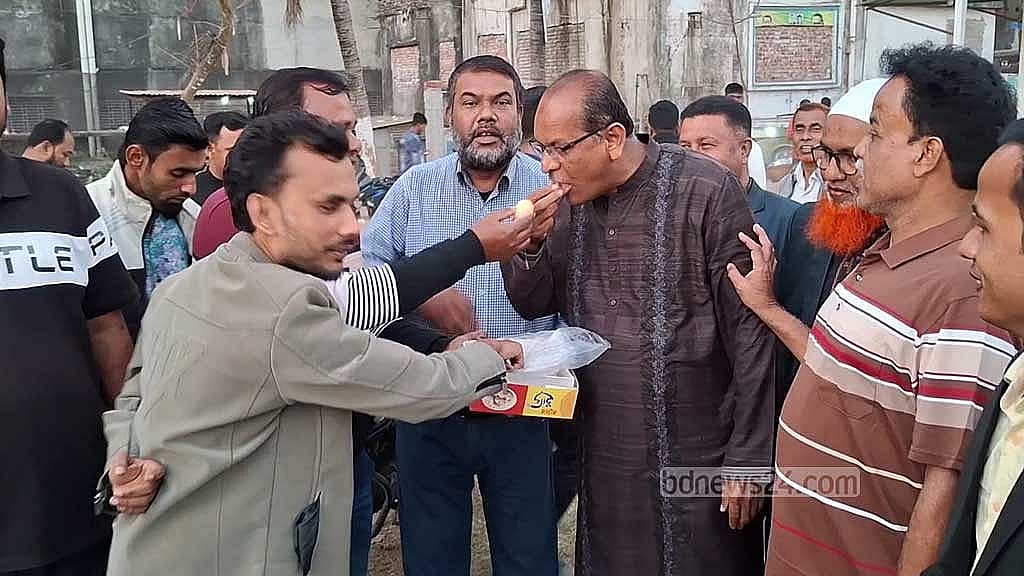
Similarly, in Lakshmipur, the elevation of Shahiduddin Chowdhury Anee to water resources minister was hailed as a “glory for the whole country”.
Silence in Noakhali
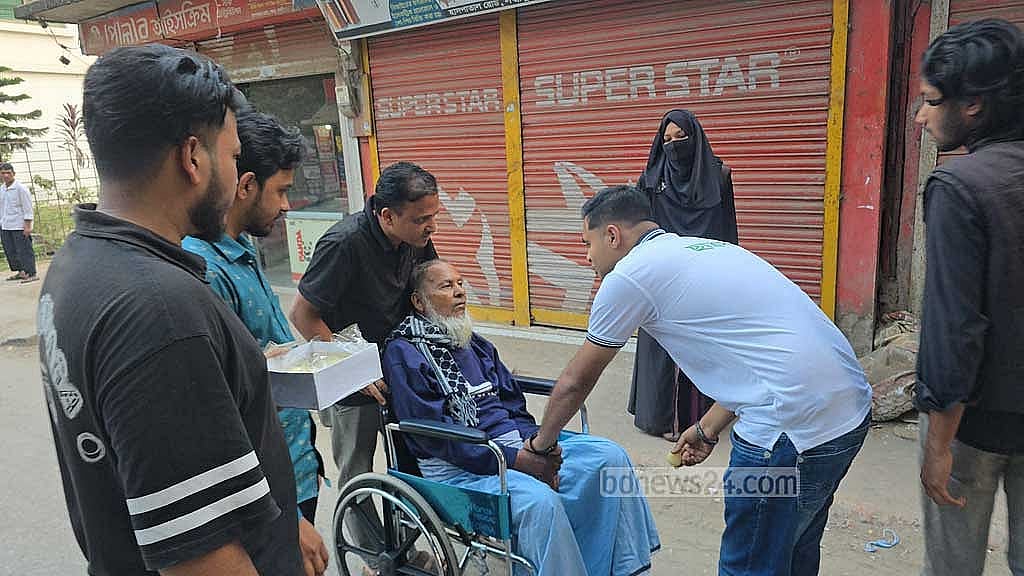
Yet, for every district in bloom, one sat in sombre silence.
For the first time since independence, Noakhali -- a traditional bastion of the BNP -- received no representation in the cabinet.
The snub has sent shockwaves through the coastal district.
Social media erupted in fury, with veteran activists pointing to the blood spilt on the streets during the years of struggle.
“Noakhali gave everything since '91,” wrote Nurul Amin Khan on Facebook. “Even in the darkest times, we held the fort. To have no minister now is an injustice.”
London-based journalist Shahed Shafiq captured the stinging sentiment: “Noakhali did not get a ministry despite pouring fresh blood on the streets... Instead, the ‘sons of the wealthy’ in white panjabis are becoming ministers.”
As the 50-member government, including 10 newly minted advisors, begins its work, the environment is one of high-stakes transition.
The euphoria of what many supporters are calling a “Second Republic” is palpable, but as the disappointment in Noakhali suggests, Prime Minister Tarique’s greatest challenge may not be the opposition, but managing the skyrocketing expectations of a nation that has waited two decades to exhale.