Published : 12 Mar 2026, 06:37 AM
Updated : 21 Aug 2026, 03:27 PM


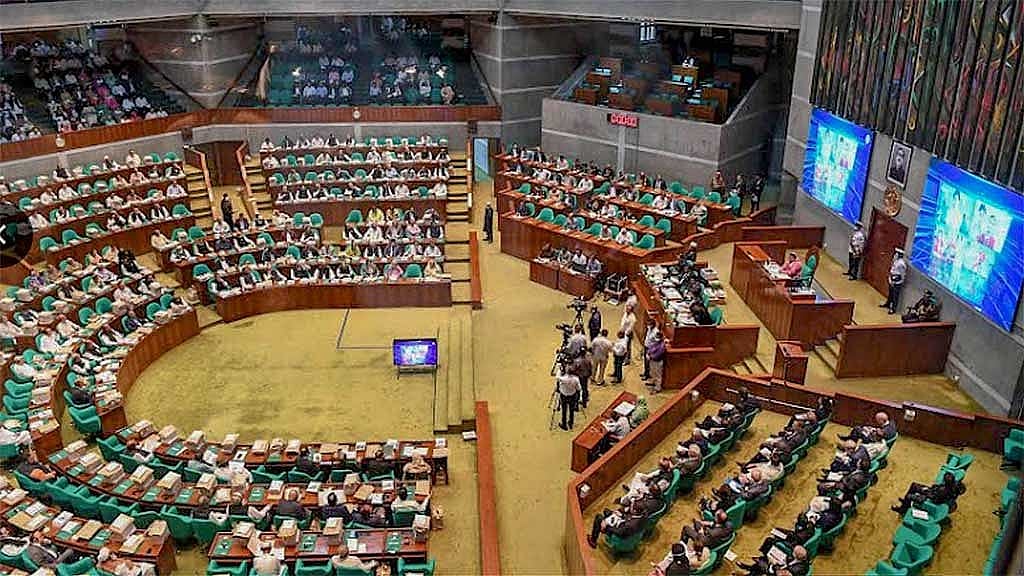
As Bangladesh’s new parliament readies its first session, allegations of “election engineering” threaten to overshadow the nation’s first polls since the July Uprising.
From the start of campaigning for the parliamentary polls, concerns over potential “election engineering” surfaced, initially voiced by several BNP candidates.
At that time, the ruling party’s rival was hinted to be Jamaat-e-Islami, and the party echoed similar concerns in response.
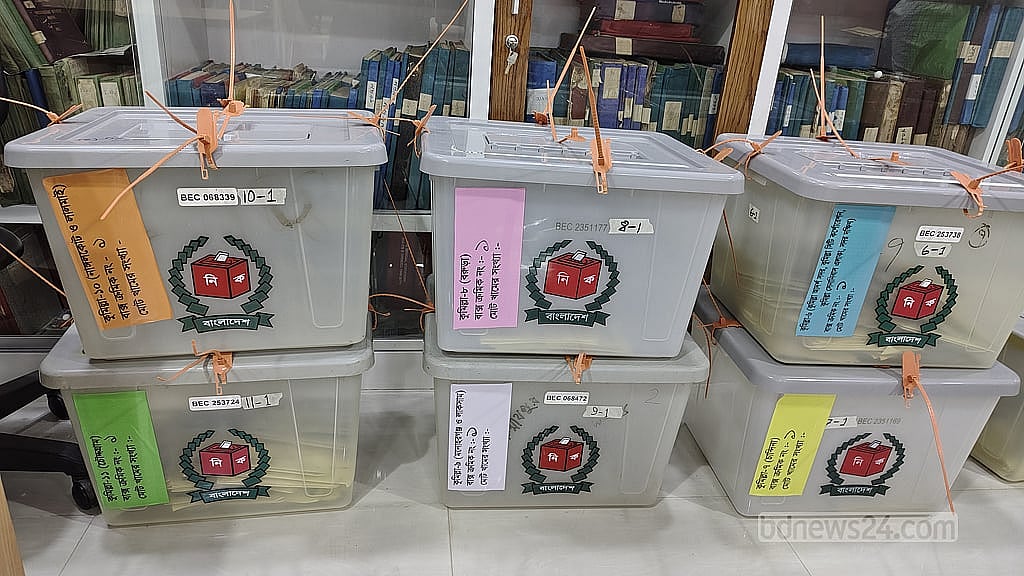
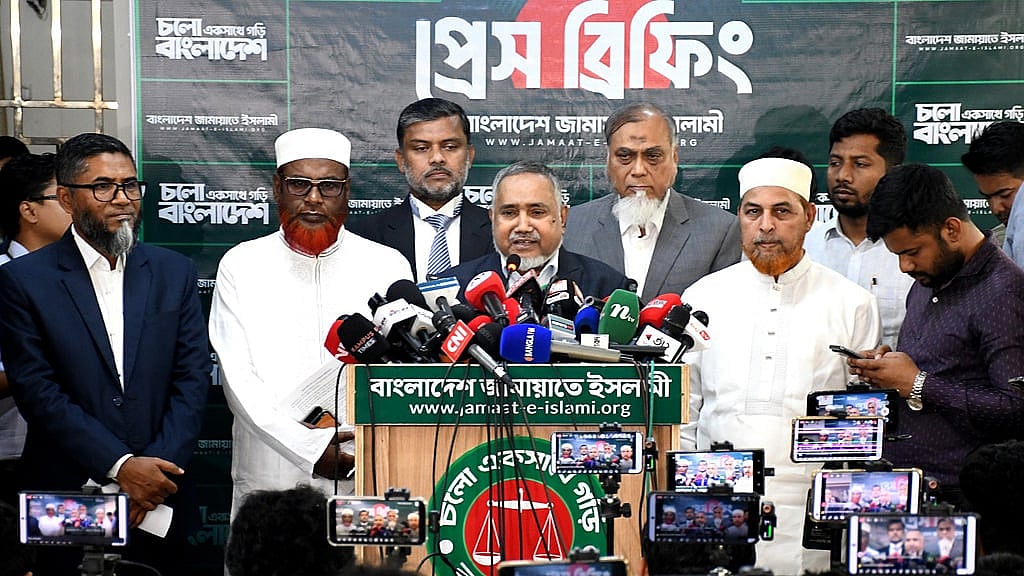
Following the polls, Jamaat, along with its two coalition partners -- the National Citizens Party (NCP) and Bangladesh Khelafat Majlis -- formally raised allegations of election manipulation.
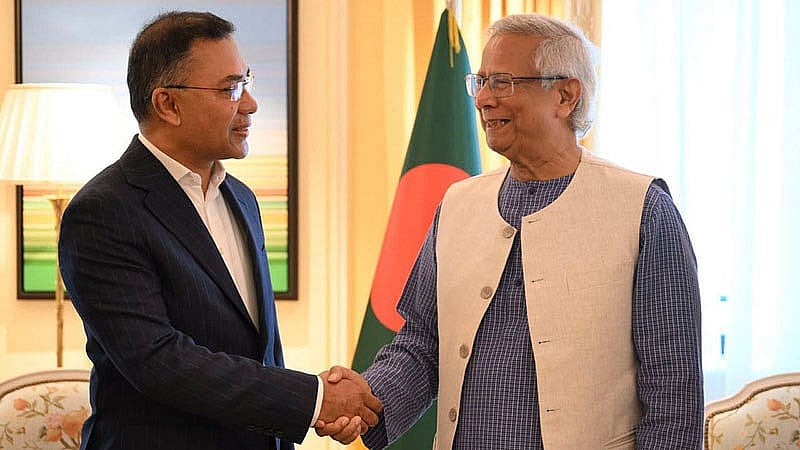
They specifically implicated Foreign Minister Khalilur Rahman and former interim government advisor Syeda Rizwana Hasan, demanding that both be questioned.
While Jamaat presses its claims, the BNP government continues to dismiss concerns as political manoeuvres.
With the first parliamentary session set to convene on Thursday, questions remain: why is Jamaat raising these allegations now, and why is the government silent?
Leaders from Jamaat, NCP, and Khelafat Majlis indicated that they plan to press the issue of alleged election engineering while also advocating for the implementation of the July National Charter, both within parliament and through public demonstrations.
Some parties have also decided to hold rallies and roundtable discussions to generate public opinion.
Government Response — or Lack Thereof
According to conversations with BNP leaders at various levels of government, the administration is largely ignoring the allegations of “election engineering”.
Some officials view the opposition’s claims as mere “politics for opposition’s sake”.
Asked about the allegations, Local Government Minister Mirza Fakhrul Islam Alamgir told bdnews24.com: “This is nonsense; totally madness. Those who try to question a widely recognised election, the public will not accept them.”
The BNP secretary general said, “People will not buy it. Those making these claims are only undermining themselves. They have no footing.”
Election Results and Opposition Composition
Alongside the elections, a national referendum on the July Charter was held on Feb 12.
Securing a majority of 209 seats, the BNP formed the government five days later under Tarique Rahman’s leadership.
Results for two seats remain pending, with one delayed due to a candidate’s death.
The ousted Awami League, having been removed, was barred from contesting in this election. Jamaat, once an ally of the BNP, now takes 68 seats in the opposition benches.
Jamaat’s Allegations: Who and Why
On Mar 6, Jamaat deputy chief and opposition deputy leader Syed Abdullah Mohammad Taher alleged that Foreign Minister Khalilur had played a role in “manipulating polls”.
The same claim was made against former interim advisor Rizwana.
Addressing Rizwana’s recent TV remarks, Taher said: “Recently she commented, ‘Those who could not ensure women’s rights, even if they are in the opposition, we did not let them become part of the mainstream or a leading force’. That implies she herself acknowledged what has been called ‘election engineering’.”
He added, “We now want to ask her, or the interim government at the time, and the current government, how they conspired to prevent Jamaat from gaining mainstream majority through engineered manipulation.”
Taher also claimed that Khalilur orchestrated what he called a “London conspiracy”, motivating the government to act in favour of those now in power.
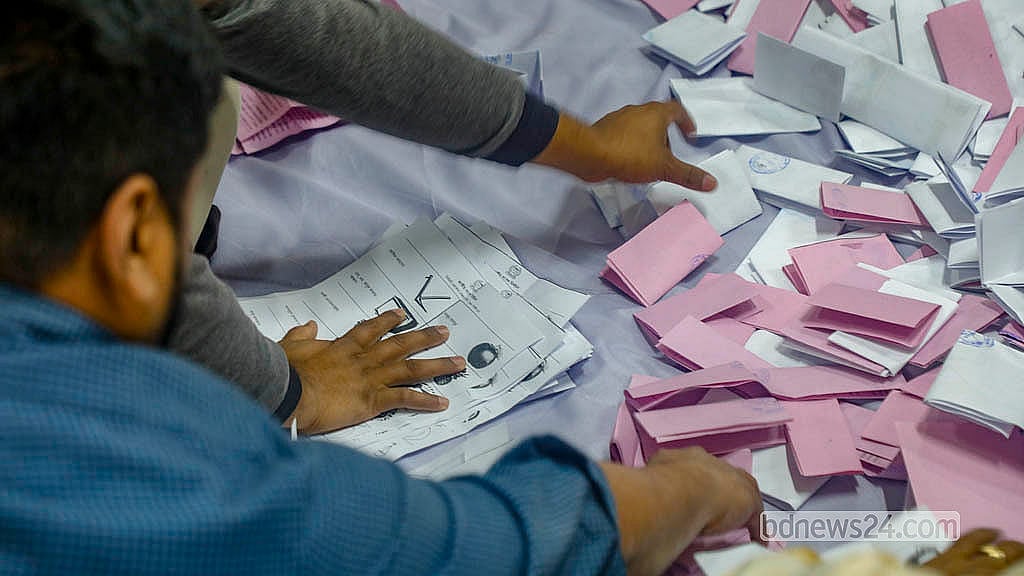
Jamaat has filed complaints regarding irregularities in 53 constituencies. Following these allegations, the party staged protests demanding questioning of Khalilur and Rizwana.
Coordination within the 11-party Jamaat-led electoral coalition continues, with Jamaat leader Hamidur Rahman Azad saying: “This issue will be addressed in both directions.
“We are committed to resolving everything in parliament. But if the parliamentary environment isn’t conducive, we will take to the streets. We are not alone; all our partners will join the movement.”
Strategy and Public Opinion
Some opposition leaders aim to create public awareness of alleged election engineering.
Taher told bdnews24.com, “Engineering happened from the day of the election. People are saying it, people believe it.”
According to several Jamaat officials, the party has resolved to keep the issue politically prominent.
They plan both constructive parliamentary criticism and field-level campaigns focusing on the allegations and the July Charter’s implementation.
NCP Convenor Nahid Islam, chief whip, questioned the appointment of Khalilur as foreign minister, alleging manipulation in multiple constituencies to prevent constitutional reforms.
Mohammed Mojibur Rahman Bhuiyan, chairman of the AB Party, said: “It’s not only Jamaat; leaders from the BNP, NCP, and Jatiya Party raised explicit claims of rigging in the elections.
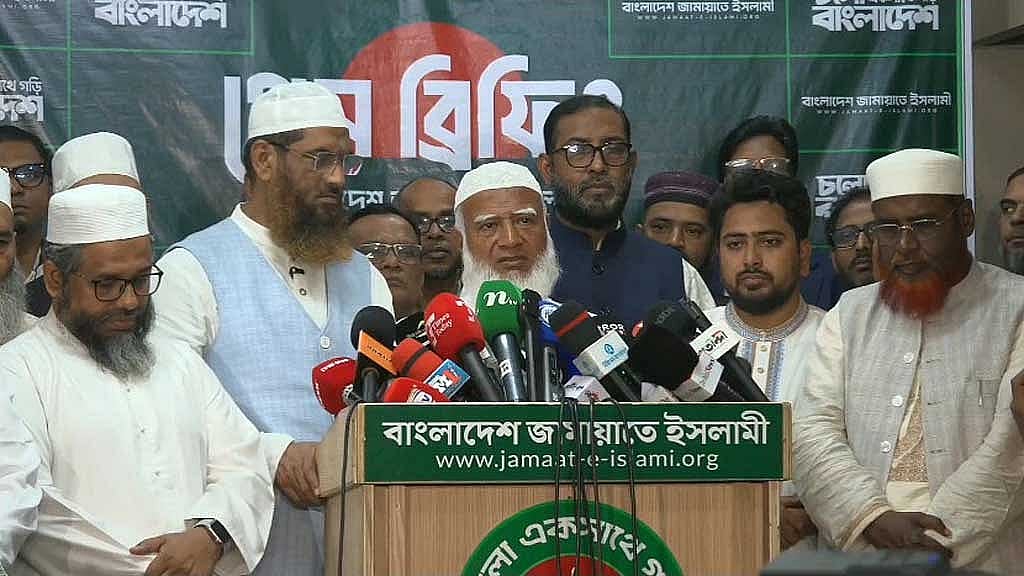
“I also filed written complaints to the returning officer regarding irregularities in my constituency, and our party secretary submitted extensive written allegations, yet the Election Commission took no action.”
Other coalition members echoed these sentiments, pointing out instances of alleged ballot tampering, late result announcements, and procedural anomalies in constituencies including Dhaka-13 and Chapainawabganj-3.
Legal Challenges and Future Plans
Mamunul Haque of Bangladesh Khelafat Majlis filed a petition in the High Court on Feb 13 challenging Dhaka-13’s results, alleging manipulation.
He has demanded that Rizwana and others be brought under legal scrutiny.
The coalition plans a mass assembly on Apr 24 to highlight both July Charter implementation and allegations of election engineering.
Discussions continue over whether the 11-party coalition will present a unified approach or maintain separate agendas.
At a recent roundtable at the Dhaka Reporters’ Unity, Bangladesh Khelafat Majlis leaders and coalition partners including Jamaat’s Secretary Mia Golam Porwar reaffirmed the focus on implementing the Charter.
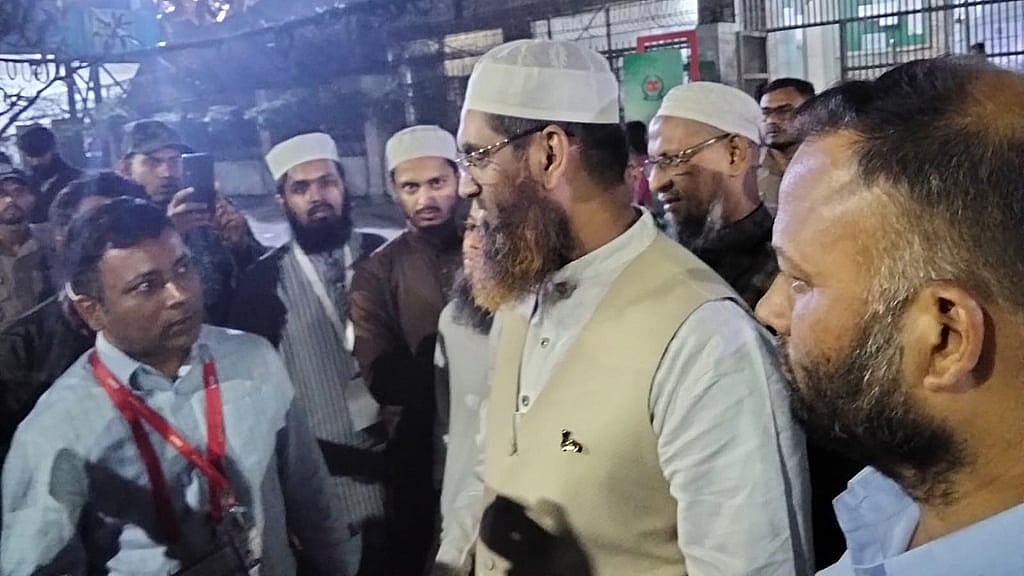
Azad told bdnews24.com, “If the parliament fails to act, we will be vocal from April onwards. Political balance requires a strong opposition; without unity, it is impossible to be effective.”
Despite these plans, BNP officials maintain that the government will not publicly address allegations, preferring to process complaints through legal channels.
A senior BNP figure said, “Election engineering claims are political; they exist for the opposition's sake.”
Opposition Dynamics and Political Messaging
With the Awami League absent, Jamaat sees an opportunity to consolidate opposition influence in parliament and outside.
Leaders plan to voice criticism of the government while keeping July Charter implementation central.
BNP insiders stress that Jamaat’s allegations are largely political and that the party’s vote share provides limited leverage.
As one senior BNP member remarked: “The world has seen the election, the public has seen it. Jamaat’s claims won’t yield real gains; they are raising the issue for political visibility.”
With public opinion divided and legal challenges pending, how the government responds -- or continues to remain silent -- could shape the opposition’s strategy for months to come
As parliament convenes, the standoff between Jamaat’s vocal claims and the government’s silence sets the stage for a tense political duel, with both streets and legislature poised to become arenas for the unresolved debate over Bangladesh’s post-Uprising elections.