Home
+
Published : 02 Apr 2017, 01:43 AM
“The word ‘autism’, which did not exist in our language has now become a household term, and frequently if unfortunately, used as a synonym for disability — or as we say in Bangla ‘protibondhi’,” she wrote ahead of the World Autism Awareness Day on Apr 2.
She thanked political support, national education and the families with the autistic member for this in her article published by the Inter Press Service New Agency.
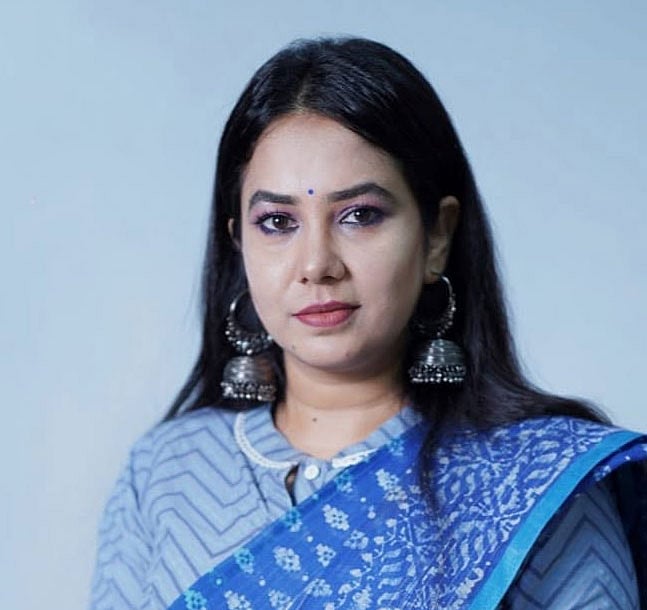
Chairperson of the National Advisory Committee on Autism in Bangladesh, and also Shuchona Foundation that works on mental health issues, Saima spearheads mental health issues in Bangladesh. She is also a member of WHO’s Expert Advisory Panel on Mental health.
Daughter of Bangladesh Prime Minister Sheikh Hasina, she is an US-licensed school psychologist.
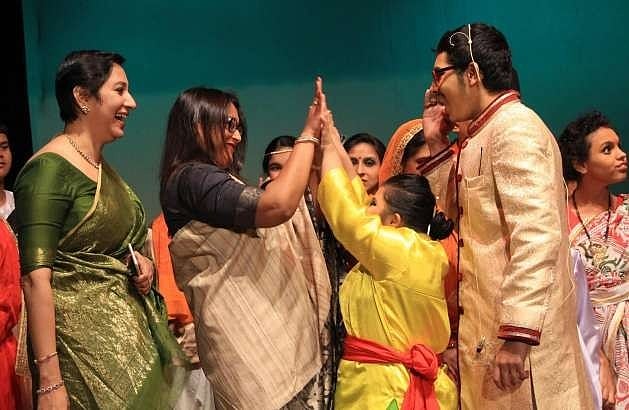
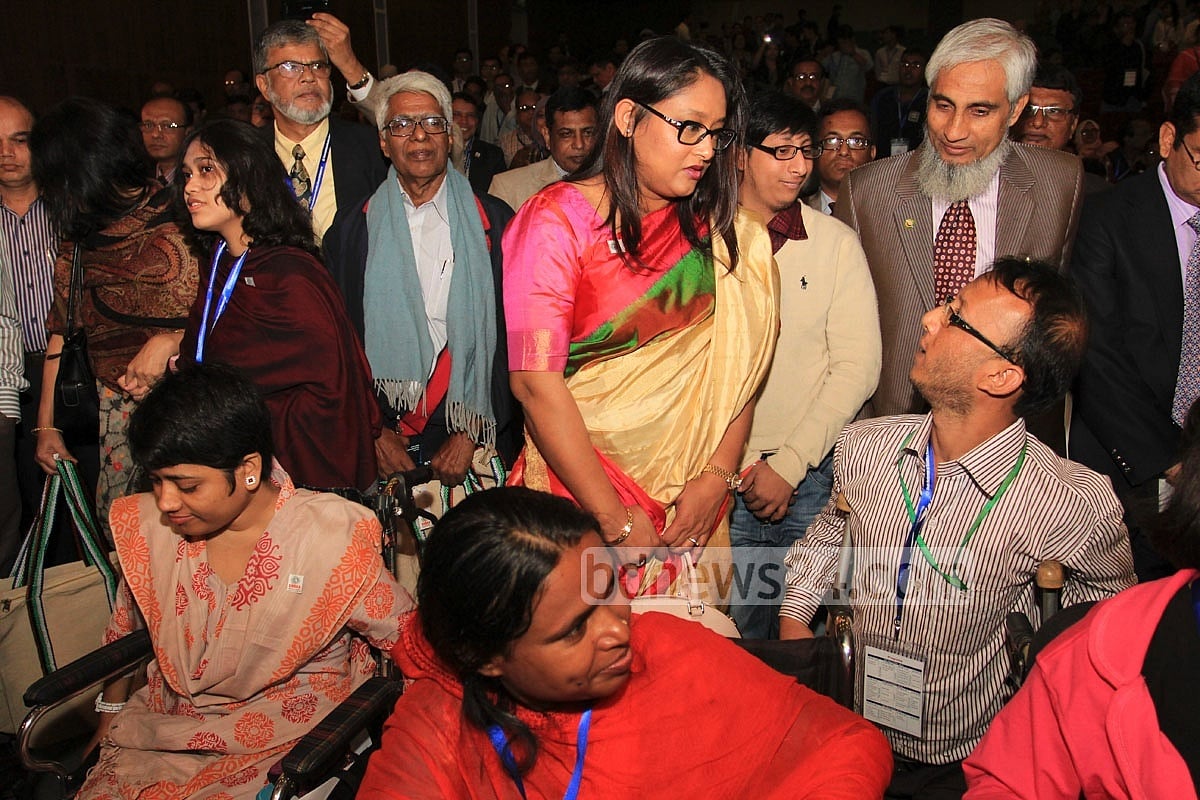
She brought the neglected issue to the fore by organising the regional conference where regional leaders, including India’s then ruling Congress Party chief Sonia Gandhi, participated.
As a result of her efforts, the Neurodevelopmental Disability Protection Trust Act 2013 has been passed. The United Nations adopted several resolutions based on her proposals.
WHO also awarded her in September 2014 with ‘Excellence in Public Health Award’, noting that she had put autism on WHO’s map. She is also a member of the WHO expert panel on mental health.
On Saturday, WHO South-East Asia Region designated her as ‘WHO Champion for Autism’ in the region.
“What differentiated this (2011} conference from others in the region was the integration of various individuals from scientific, personal, and political backgrounds,” she said.
“The presence of prominent political figures such as Mrs. Sonia Gandhi, Prime Minister Sheikh Hasina, as well as many other First Ladies and ministers from the region, allowed our conference to be truly unique”.
“This event brought about an unprecedented change in the societal attitudes about autism and disability. Since then, previously rejected newspaper articles by parents and experts began to be regularly published in Bangladesh daily papers. Talk show discussions on health matters included the topic of disability,” she wrote.
“Additionally, I appeared in numerous television interviews where I described autism and shared a personal message to end discrimination and shame”.
At the recommendation of the task force, a parents’ forum was established followed by the formation of a national steering committee in 2013, comprised of eight ministries headed by the highest non-elected government officials, which are supported by senior advisors and technical experts.
“This multi-faceted approach prioritised the need for early screening and intervention, supportive educational programs, employment training, and social safety net programs,” she said.
“This sent an important message to stakeholders and policy makers explaining how there is no easily addressed solution to autism which could be implemented by altering existing medical practices”.
“Instead, a multi-sectorial life span approach would be required to create a more cost-effective, sustainable and supportive programme catering to families’ needs”.
Autism appears in the first three years of life and affects the brain’s normal development, hampering social and communication skills.
Those who suffer cannot pick up self-care tasks – dressing, self-feeding, using a toilet and others – by watching and imitating. They do not make eye contact and have a single-track thought process.
But due to lack of trained manpower, many countries, particularly the developing ones, miss an early diagnosis, aggravating their sufferings.
Globally, autism prevalence rates are estimated at 160 cases in a population of 10 000, or one in 62 children.
Saima said the complexity of autism and other NDD’s pose “a significant challenge when trying to balance the development of medical services while creating socioeconomic opportunities for an individual’s unique skill set”.
“The primary task of mitigating the tremendous emotional, social and financial ordeal for families remains a persistent challenge”.
“The last four years of multi-sectorial planning by the National Steering Committee has enabled the inclusion of disability in the government’s development and economic planning.
“With significant political support, the primary stakeholders, i.e. individuals with neurodevelopmental disorders (NDD) and their families continue to play a major role in shaping policies and implementing programs”.
She said due to a lack of funds and resources, providing “full comprehensive, evidence-based services for those in need is not yet possible, but with a continuation of our current progression, it is certainly an attainable goal”.
“Credit for our tremendous success in providing public awareness and understanding of the challenges faced by families with autism is ultimate, thanks to the dedication and resilience of those very families”.
Global awareness and enhanced understanding of autism have resulted in increased diagnosis, demand for treatment and development of innovative approaches; many of which remain “isolated” to research settings or unpublishable in scientific journals.
Additionally, due to the high cost and copyright laws, many programs in low resources countries remain similarly isolated and unshared.
“Moreover, programmes requiring linkages between existing infrastructures with inter and intra-disciplinary collaboration are a particular challenge for developing countries,” she said.
“Hence why we urgently need a mechanism by which the challenges and success stories of these individuals can be shared among both disability organisations and governments so it may provide further knowledge on effective, sustainable programs and assist in decision making”.
This April, Shuchona Foundation with WHO-South East Asia Regional Office is paving the way towards implementation of international resolutions on autism by organising a conference in Bhutan for the ministries of Health and Family Welfare of Bhutan and Bangladesh.
Experts, self-advocates, caregivers and policy makers will meet for three-day in Thimphu to discuss identification and interventions methods, issues in education and employment and help develop a “collaborative, comprehensive plan” for low resource settings that all countries can emulate.