Published : 10 Jun 2026, 06:38 PM
Updated : 08 Sep 2026, 09:14 AM


The government has approved a direct purchase of vaccines from United Nations International Children’s Emergency Fund (UNICEF) as a measles outbreak continues to claim children's lives across Bangladesh.
Approval has been granted to allocate Tk 4.13 billion for vaccine procurement during the current fiscal year.
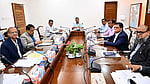
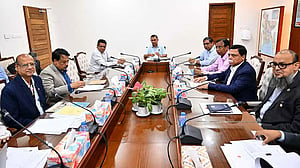
On Wednesday, the Cabinet Committee on Government Purchase endorsed the decision at a meeting held at the Secretariat at 10:45am, the finance ministry said.
Since Mar 15, 92 people have died from confirmed cases, while 539 others have died with similar symptoms, according to the Directorate General of Health Services (DGHS).
The DGHS also said 66,170 patients with symptoms were admitted to hospitals during the same period, while 62,292 have recovered and been discharged.
The outbreak hit shortly after BNP came to power, leaving the government struggling to get on top of the crisis.
The episode also brought renewed scrutiny of vaccine management under the previous interim government.
UNICEF's Representative in Dhaka Rana Flowers poured fuel on the fire at a press conference in the capital, saying her office had sent five to six letters to the health ministry under Muhammad Yunus's government warning of a vaccine shortage, and held at least 10 meetings on the issue.
News also emerged that Flowers had written to the then health advisor Nurjahan Begum on Feb 10 -- two days before the national election -- flagging an impending vaccine shortage in Bangladesh.
Speaking at the briefing in Agargaon, Flowers said she may not have all the dates in front of her but knew five or six letters were sent between 2024 and February 2026, and that the final letter was sent in the hope the incoming government's new minister would find it on their desk.
She said her office had then followed up seeking meetings, and held at least 10 with health advisors and officials of the interim government.
"I said ‘We are worried. Look at my face -- I am worried that you are heading for a shortage'.”
Until 2024, the government had been procuring vaccines directly through UNICEF -- the UN children’s agency, works on child health, education and humanitarian support globally -- largely funded by donor support.
But in 2025, the Yunus government moved to bring vaccine procurement under the revenue budget and shift to an open tender process.
The outbreak was also worsened by the disruption caused by the 2024 July Uprising and prolonged industrial action by workers involved in the vaccination programme.
Wednesday's procurement committee meeting also approved the purchase of 212 double-cabin pickup trucks for operational use by police, along with approvals for the purchase of fertiliser, gasoline and furnace oil.