Published : 18 Aug 2025, 07:25 AM
Updated : 21 Aug 2026, 01:40 PM


For 23-year-old Jannatul Naeem, years of spinal problems brought little relief in Bangladesh despite repeated efforts. When her condition worsened, she looked abroad.
India was her first choice. However, amid new restrictions, she was unable to secure a medical visa. Instead, Naeem flew with her brother to Kunming, capital of China’s southwestern Yunnan province.
At Tongren Hospital, doctors examined her and performed surgery. Her brother Rashedin said her health has already improved.
“The total cost was around 60,000 yuan -- roughly Tk 1 million -- similar to Bangladesh’s top private hospitals,” he said.
“But the service was nothing alike. The doctor himself cleaned the bed and changed dressings. Nurses checked in nearly 10 times at night. Their sincerity is extraordinary.”
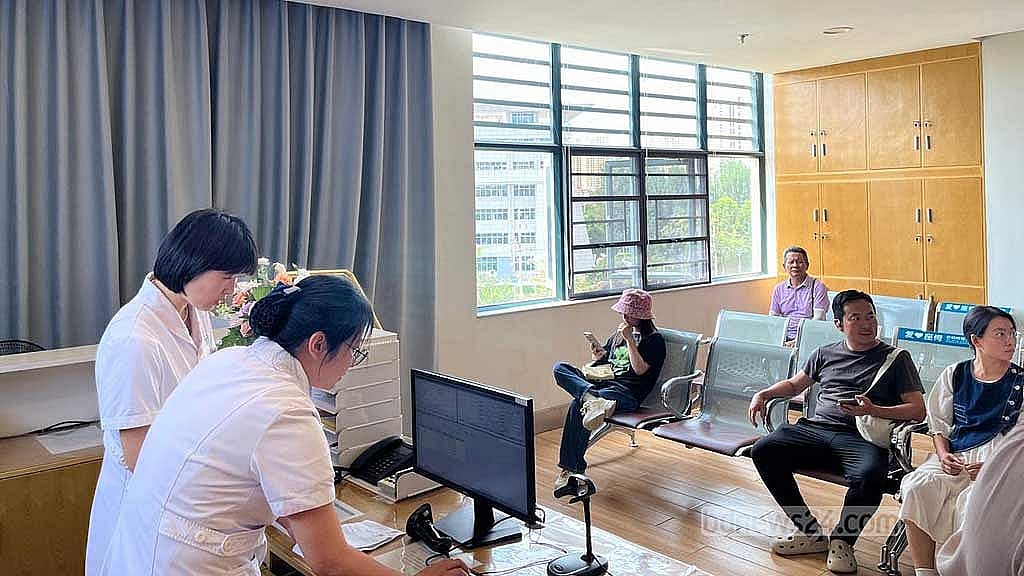
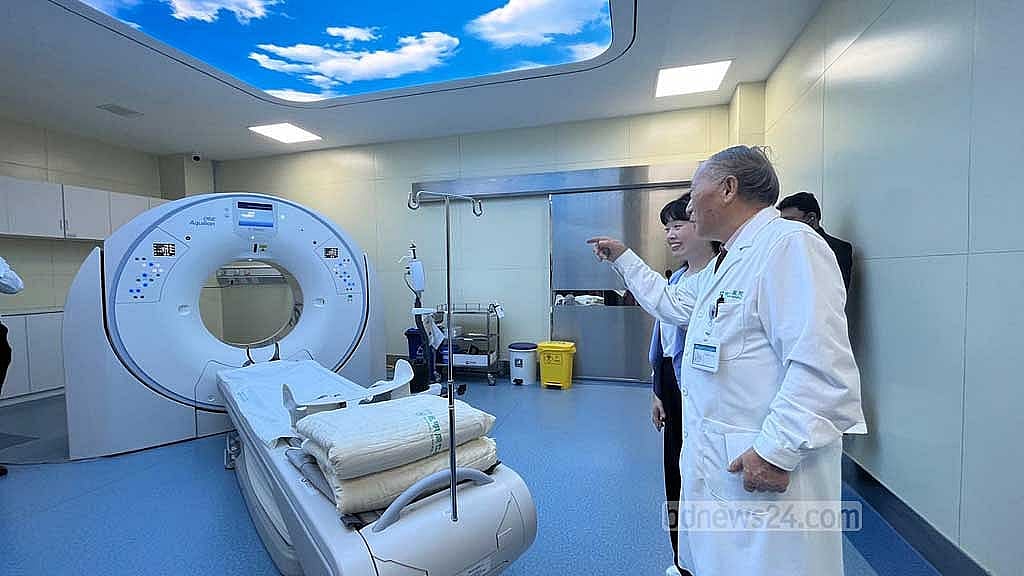
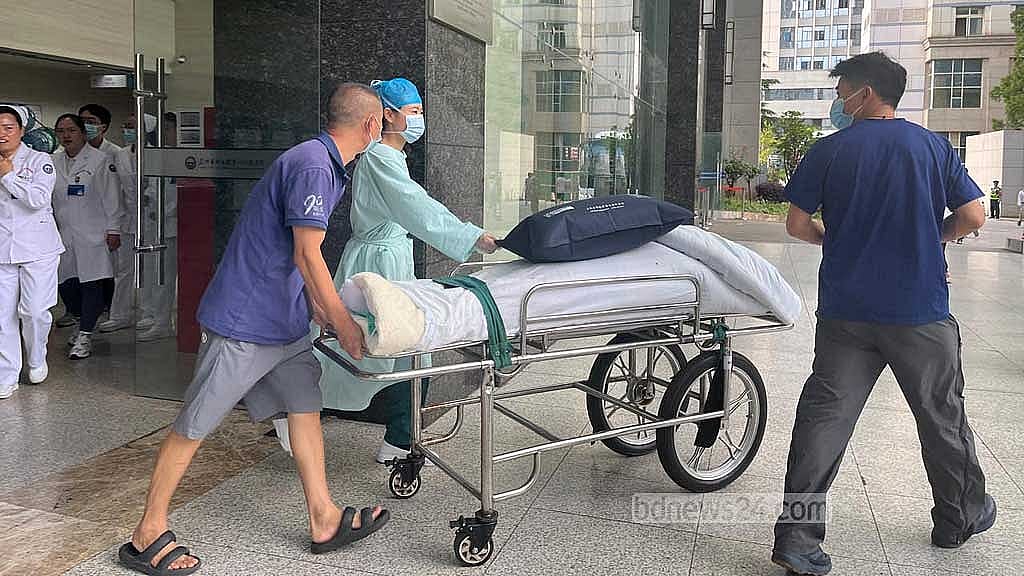
Kunming, just a two-and-a-half-hour flight from Dhaka, is positioning itself as a new hub for Bangladeshi patients. Several advanced hospitals operate there, and China has designated five to receive patients from Bangladesh.
From March through early August, more than 600 Bangladeshis received medical visas.
One ear patient described the experience saying, “Doctors here are skilled in robotic surgery. Tests began in the morning and everything has been smooth.”
Last week, marking 50 years of Bangladesh-China diplomatic ties, a 23-member delegation led by Abul Kalam Azad Majumdar, deputy press secretary to the chief advisor, visited Kunming and toured hospitals.
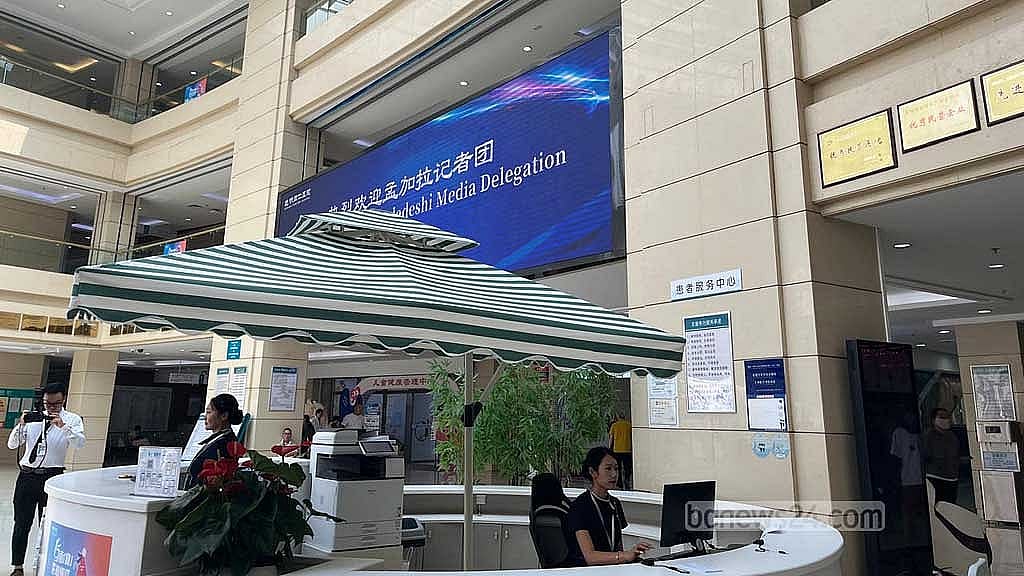
The Chinese government has moved quickly to ease access. The embassy in Dhaka now issues medical visas within a single working day.
“If needed, visas are delivered the same day through a green channel,” said Mohammed Khalid, Bangladesh’s consul general in Kunming. A Facebook page detailing hospital facilities and services will launch soon, he added.
Chinese Ambassador Yao Wen confirmed the new “green channel service”, scrapping interview delays.
“Any Bangladeshi patient with an invitation from a Chinese hospital will get a visa within one working day. For Bangladeshis, visas are no longer a problem,” he said.
Travel, however, remains costly. Only one direct flight links Dhaka and Kunming, China Eastern Airlines, where even early bookings cost Tk 70,000–80,000 for a round trip.
Authorities say a Chattogram-Kunming route is expected later this year, likely reducing fares.
For patients like Naeem, though, the choice already seems clear. India and Bangkok once drew the sick from Bangladesh. Now, Kunming is quietly carving out a place of its own.
COST OF CARE, FOOD AND STAY
Compared with Malaysia, Thailand, or Singapore, treatment costs in China are slightly lower. For critical illnesses such as heart disease, cancer, or ophthalmology, patients report receiving high-quality care at reasonable rates.
A relative of one patient said the overall cost, including bed or cabin charges, is roughly equivalent to that of private hospitals in Bangladesh.
Many Bangladeshi students in China work as interpreters.
One such student, Sajib, who gave a single name, said: “China’s medical services are far better than India’s. Hotels offer Bangladeshi food for patients, and the daily expense, including meals and accommodation, is about 600 yuan, or Tk 10,000.”
Patients noted that despite the relatively lower costs and short flight time from Dhaka, language, food, and communication remain challenges. Authorities are working to address these issues.
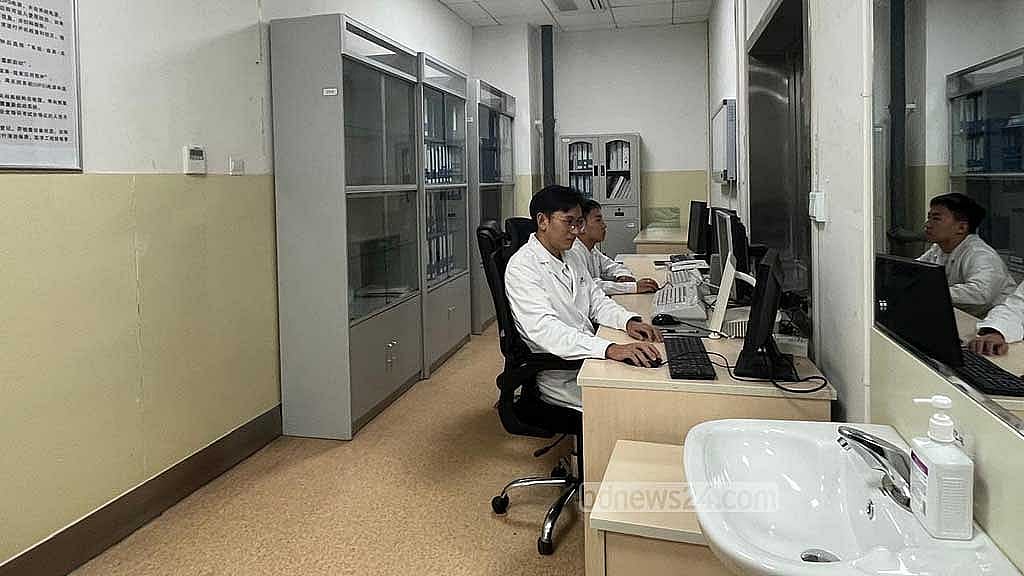
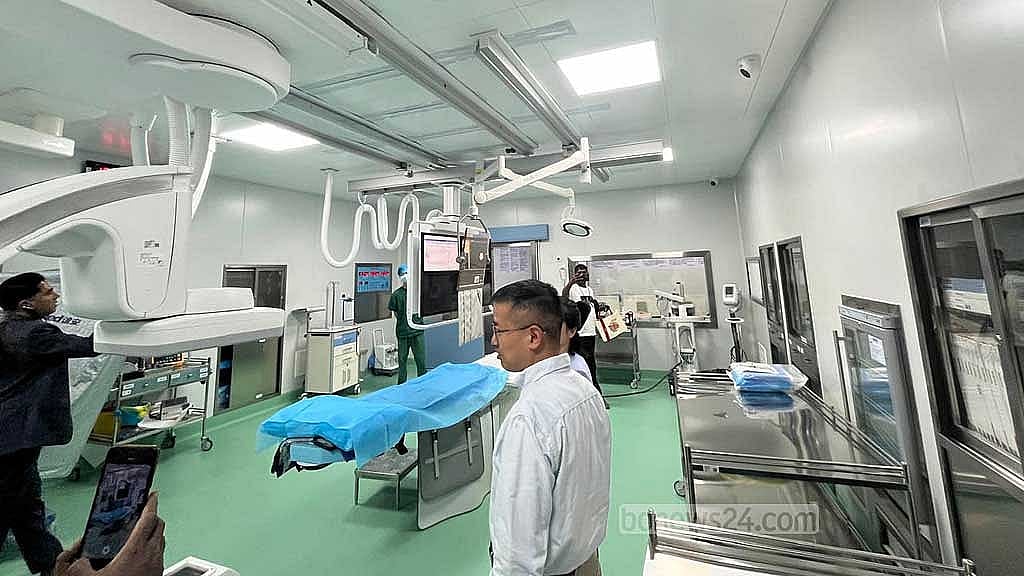
Yunnan’s hospitals are promoting robotic surgery and advanced medical technologies, while also focusing on personalised care.
Arifin Islam, a PhD student at Kunming Medical University, said costs are consistent across hospitals.
“Surgery charges do not vary much. For those who do not speak English, interpreters are provided to translate into English or Chinese. Plans are also in place to introduce halal canteens.”
Yunnan Health Commission Deputy Director Wang Jiankun said the province has 29,678 healthcare institutions, including 1,319 hospitals, 122 tertiary-level hospitals and 472 secondary-level ones, with 370,000 beds.
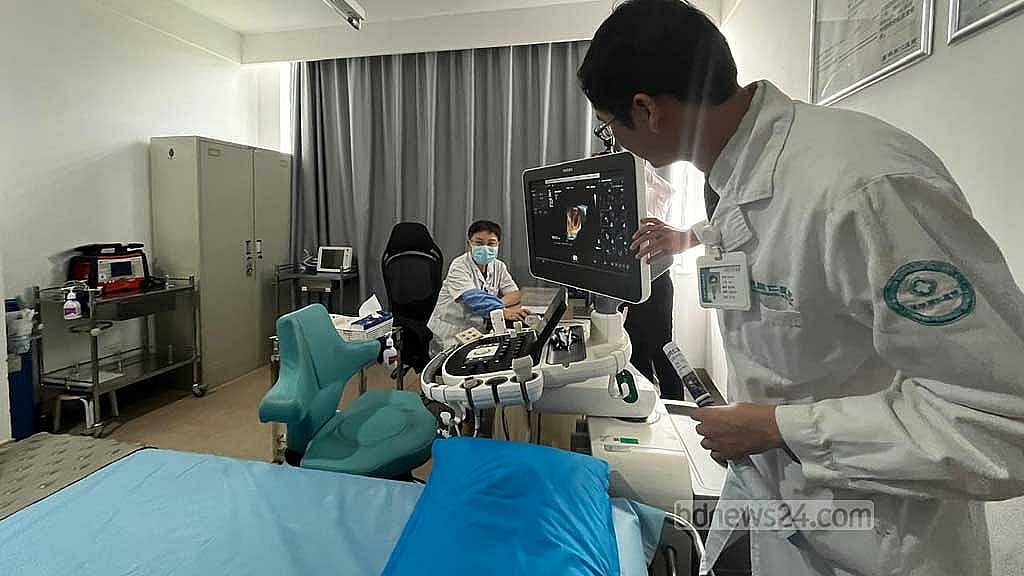
“For Bangladeshi patients, hospitals have been selected where the highest standards and modern technology are used,” he said.
Zhang Min, CEO of Kunming Eye Hospital, said: “Bangladeshi patients will find treatment affordable and accessible here. Each year, we treat hundreds of patients from India and Russia, and we welcome Bangladeshis too.”
Medical tourism operators say Kunming’s costs are lower than Thailand’s, and only about 10 percent higher than in New Delhi’s advanced hospitals.
Lu Jiang, vice-president of Fuwai Hospital, said: “Our services are of the same standard as Thailand, but at only a quarter of the cost. Cheaper than Malaysia, too.”
Still, high airfare and limited Bangladeshi food options remain drawbacks. Interpreters charge 500 yuan initially, dropping to 200–300 yuan a day.
On food, Jiankun said Bangladeshi students are being assigned to interpret at hospitals, while Muslim restaurants are available at Kunming Medical University’s First Affiliated Hospital and Tongren Hospital.
SPECIALISED CARE, TOURING PATIENT SUPPORT
Hospitals across China are offering advanced treatment for intellectual and developmental disabilities. Shen Ling, vice-president of Kunming Tongren Hospital, said a Bangladeshi family recently brought their teenage son for treatment.
Showing a video message from the family, he noted they found China both affordable and effective after struggling to find proper care elsewhere.
“Our specialists explain the whole process before starting treatment, and only proceed with the family’s consent,” Shen said.
“We have sufficient doctors and medical experts for such cases, and interpreters are provided to overcome language barriers.”
Ling added that Tongren Hospital follows strict diagnostic and treatment protocols for international patients, coordinating across departments to ensure safety and quality.
Kunming Medical University’s First Affiliated Hospital is known for cleanliness and orderly service, while Kunming Eye Hospital offers laser surgery, advanced imaging, and comprehensive eye care.
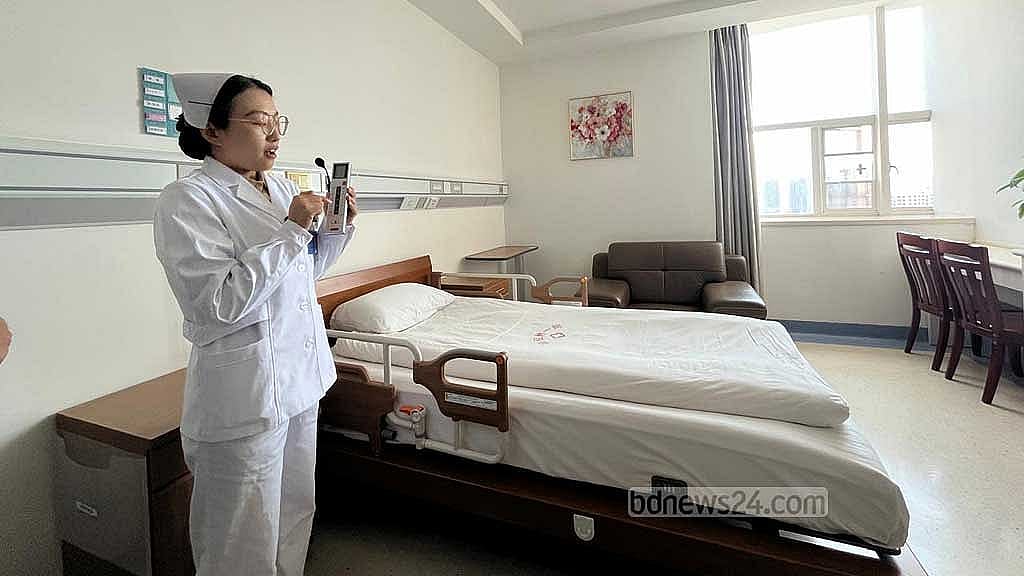
Some patients on tourist visas have struggled with Chinese-language reports and bills, whereas medical visa holders receive English versions from dedicated counters.
Jiang of Fuwai Hospital said international patients are served at separate booths where documents are provided in English, and Guo Weiwei of First People’s Hospital noted they accept Visa credit cards. Jiankun said talks are under way with banks to simplify payments further.
Deputy Press Secretary Azad said the interim government is seeking multiple affordable overseas treatment options for Bangladeshis.
During a January visit to China, Bangladesh officially proposed improving access to medical services for its citizens. China responded by opening facilities and introducing patient-friendly measures.
Azad said efforts are ongoing to expand flights on the Dhaka–Kunming route and launch a Chattogram–Kunming flight later this year.
“We hope the Chattogram–Kunming direct route will open by year-end, making travel easier for patients and business travellers,” he added.