Home
+
Published : 27 Jun 2026, 05:53 PM
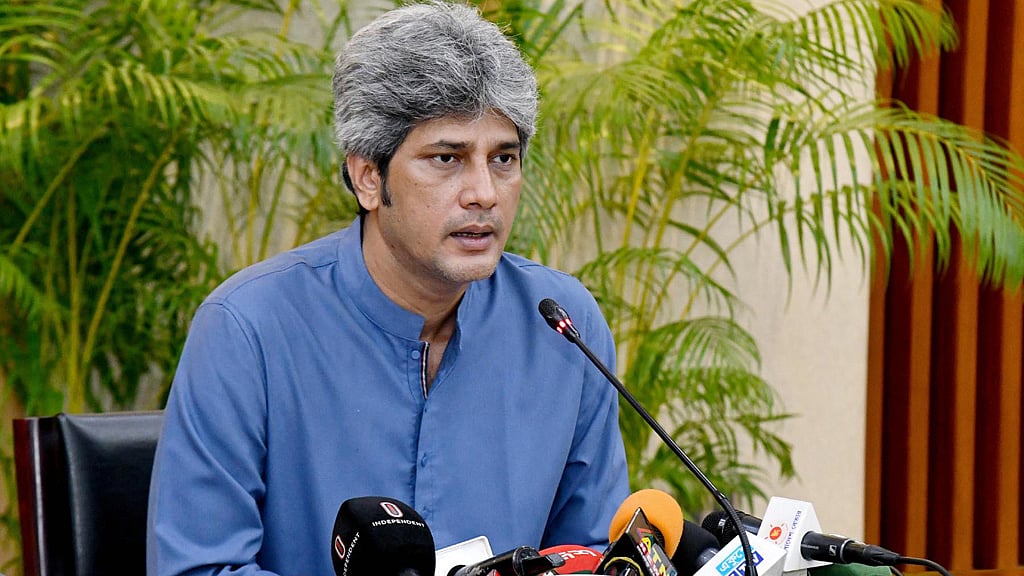
State Minister for Planning Zonayed Saki has expressed his disappointment over the implementation rate of the Annual Development Programme (ADP) amid a slowdown in of development projects during the Muhammad Yunus-led interim government.
Addressing a discussion on the annual budget in Dhaka, Saki said the BNP government is trying to overcome this situation.
Bangladesh has seen 48 percent of the ADP implemented in the first 11 months of the outgoing fiscal year, the lowest execution rate over the period in 16 years.
The interim government had initially targeted ADP spending of Tk 2.39 trillion for the fiscal year.
However, amid sluggish implementation, the National Economic Council (NEC) cut the programme by Tk 300 billion on Jan 12, reducing it to Tk 2.09 trillion.
The latest figures released on Thursday showed total expenditure of Tk 1.08 trillion across all development projects during the first 11 months.
In the same period of fiscal year 2024-25, ADP spending had amounted Tk 1.11 trillion, with an implementation rate of 49.08 percent.
Saki said the government does not want to embezzle money in the pretext of mega projects.
The mega projects undertaken during the “fascist era” could cause vast economic loss and problems if they are stopped now, he said. "These are being selected for rationalisation."
According to him, the government is "conservative" about mega projects and is prioritising necessary projects focused on human resource development.
Clarifying that the government focuses on revenue collection, Saki said initiatives have been taken to increase the tax net so that small shopkeepers can pay a minimum amount.
The government aims to collect taxes based on fairness, not harassment, the state minister said.
Taxes on 60 daily necessities have been reduced to protect the common people from the impact of inflation, he added.
Finance Minister Amir Khosru Mahmud Chowdhury said on Wednesday the government plans to bring 16 retail business sectors, including grocery stores, beauty parlours, and restaurants, under a specific value-added tax (VAT) framework starting in the 2026-27 fiscal year.