Home
+
Published : 30 Sep 2025, 12:20 PM
Bangladesh’s economy is projected to grow by 5 percent in fiscal year 2025-26 (FY26), but new US tariffs on exports threaten to weigh on performance, the Asian Development Bank (ADB) has warned.
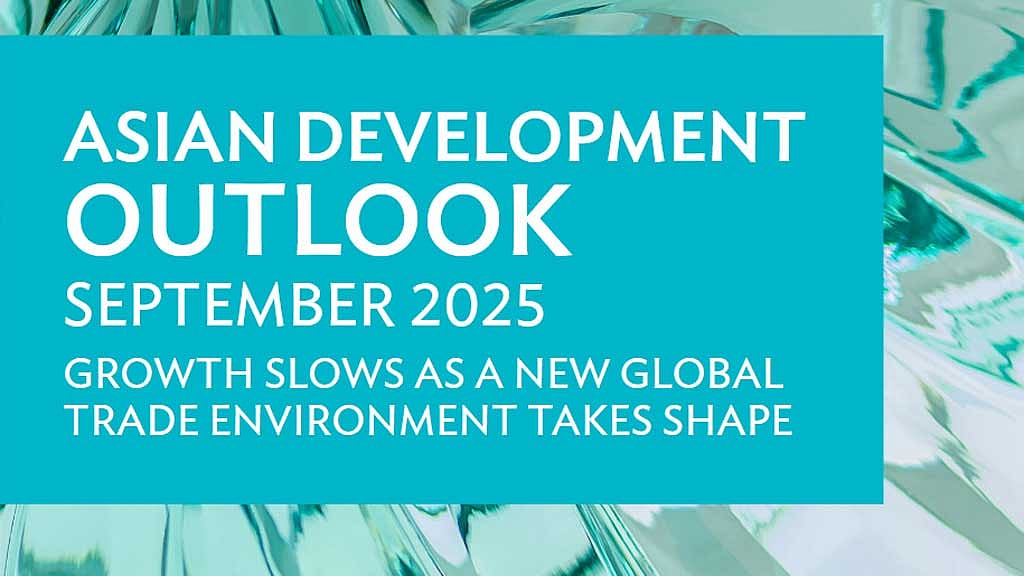
In its Asian Development Outlook for September 2025, the Manila-based lender said services and agriculture are expected to drive economic expansion, supported by easing inflation, stronger household purchasing power, rising remittances and election-related public spending.
But industrial growth is expected to slow after the United States imposed an additional 20 percent tariff on Bangladeshi exports in August.
The new duties raise average tariffs on exports to the US from 15 percent to 35 percent, with apparel tariffs climbing from 16.8 percent to 36.8 percent and some products reaching 52 percent, according to the ADB.
Since exports to the US accounted for 18 percent of Bangladesh’s total exports and 1.9 percent of GDP in FY25, the ADB said the measures could erode demand and disproportionately affect women workers in the garment sector.
SLOWER GROWTH IN FY25
The growth outlook follows a difficult year in FY25, when GDP expanded by 4 percent, down from 4.2 percent the year before. The slowdown reflected political unrest, repeated flooding, labor disputes, supply disruptions, currency depreciation, and weak global demand, according to the report.
Quarterly data showed some improvement as the year progressed, with GDP growth rising from 2 percent year on year in the first quarter to 4.9 percent in the third, helped by stronger manufacturing. However, services slowed under unrest and financial vulnerabilities, while agriculture contracted due to flooding.
The September outlook comes after the ADB in April revised down its FY25 growth forecast to 3.9 percent, citing political instability, high inflation and weak global demand. At the time, the bank described the expected growth as the slowest since the COVID-19 pandemic, and cautioned that additional US tariffs could add further strain.
INFLATION TO EASE
Inflation averaged 10 percent in FY25, compared with 9.7 percent the year before, the ADB noted.
Food inflation stayed in double digits at 10.7 percent, while nonfood inflation rose to 9.5 percent. Price pressures eased in the second half of the year, and the ADB expects inflation to ease to 8 percent in FY26 on the back of favourable conditions and tighter policies.
BANKING SECTOR WOES
The ADB highlighted rising stress in the banking system, with the non-performing loan ratio surging from 12.6 percent in June 2024 to 24.1 percent by March 2025, while exceeding 45 percent in state-owned banks. Asset quality reviews may reveal further risks, with implications for stability and credit growth, according to the lender.
The ADB called for stricter provisioning, credible restructuring and recapitalisation, stronger central bank oversight, and the establishment of a bank resolution framework to address the issue.
REMITTANCES PROVIDE CUSHION
Despite domestic challenges, remittances rose to a record $30.3 billion in FY25, up 26.8 percent from the previous year. This helped lift reserves by $6 billion to $26.7 billion, providing 4.2 months of import cover, the ADB said.
Exports grew 7.7 percent after a contraction in FY24, while imports increased 1.8 percent.
The current account recorded a small surplus of 0.03 percent of GDP, reversing a 1.5 percent deficit the year before.