Published : 09 Jan 2026, 07:28 AM
Updated : 21 Aug 2026, 02:59 PM


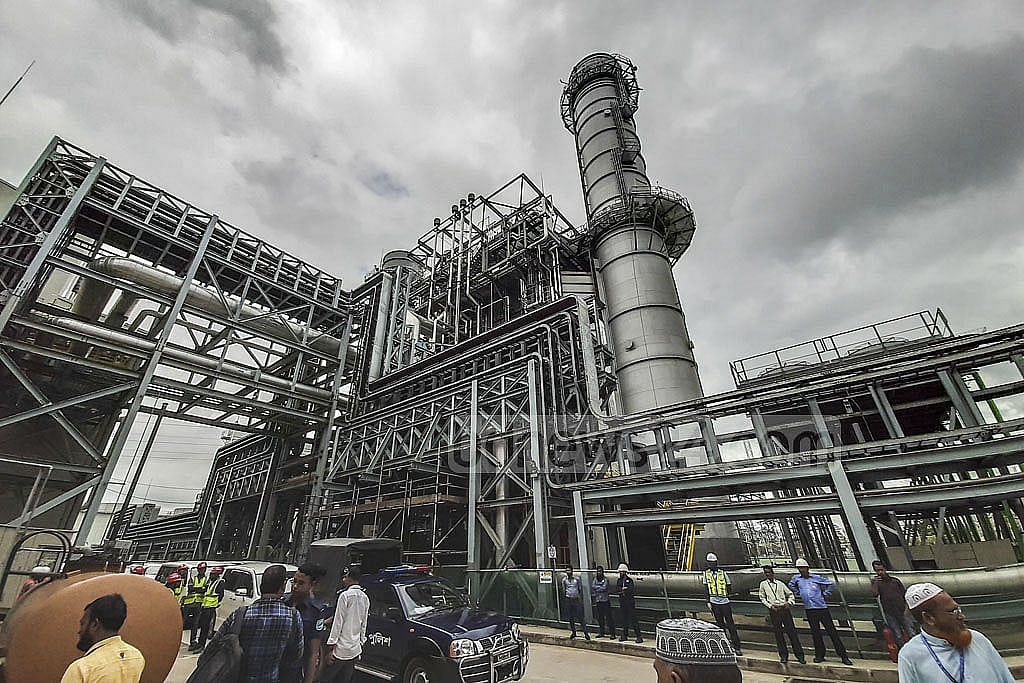
On cold winter evenings, when households retreat indoors and factory floors fall quiet, sprawling fleets of power plants hum not with activity, but with costly silence. Chimneys stand cold, turbines idle, and transmission lines carry far less electricity than they were built to bear.
This winter, the paradox of plenty has reached a new and troubling extreme: despite an installed power generation capacity nearing 29,000MW, as much as three-quarters of the country’s power plants have often remained unused.
What was once justified as preparedness for growth has hardened into structural excess. Experts say the scale of overcapacity now visible during the winter months has exposed long-standing, politically driven flaws in Bangladesh’s power and energy policies -- failures that continue to drain public finances and inflate consumer bills, even as electricity cuts persist.
Bangladesh’s power overcapacity surpassed 60 percent during peak electricity demand hours this winter -- more than three times what energy specialists consider acceptable.
Put another way, unused installed power generation capacity exceeded actual electricity use by as much as 325 percent during the coldest hours of the season. Even during the warmest hours of winter days, installed capacity still exceeded consumption by 163 percent.
“This is a new record,” said Hasan Mehedi, member secretary of the Bangladesh Working Group on Ecology and Development (BWGED), a platform of green activists.
“This is the result of a flawed planning of which successive governments were repeatedly warned,” said Mehedi, who is also a power researcher.
Energy economists argue that the sheer scale of unused capacity has once again laid bare the institutionalised weaknesses of Bangladesh’s power sector -- policies shaped less by realistic demand projections than by an unrelenting pursuit of expansion under the Awami League regime.
Bangladesh’s installed power generation capacity stands at 28,949 MW. Yet since the second week of December -- the first month of the three-month winter season -- electricity demand has dipped below 7,000MW during several hours of the day.
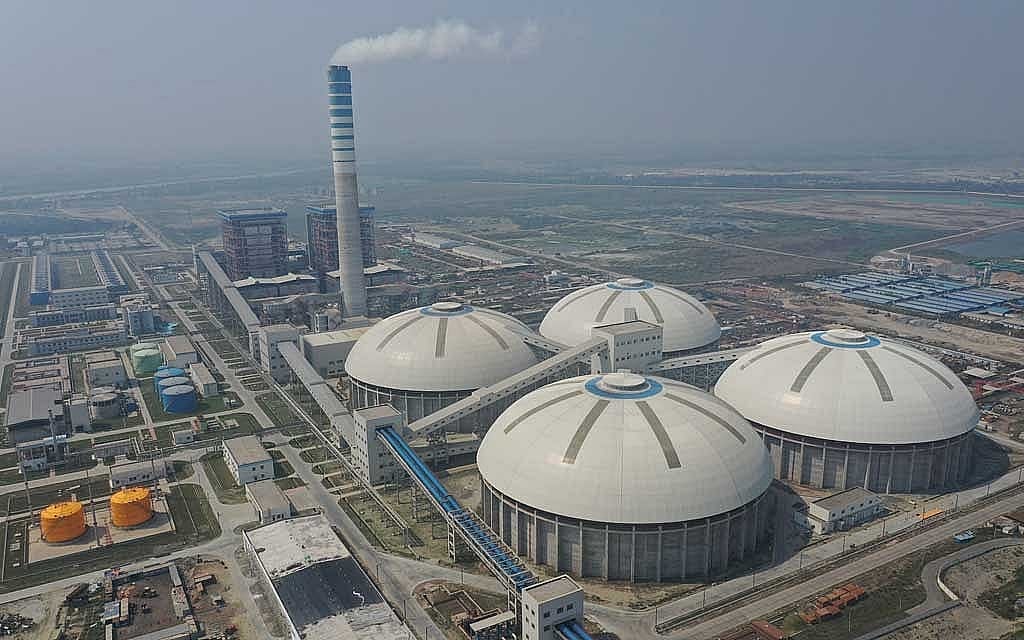
Official data show that peak electricity demand has remained mostly below 11,000MW since Nov 20.
On the afternoons of Jan 3 and 4, demand again fell below 7,000MW. At exactly 5pm on Sunday, power consumption stood at 6,985MW, according to hourly data released by Power Grid Bangladesh Limited. On Dec 17, the figure was even lower -- 6,766MW at 5pm.
Government data show that peak demand typically occurs around 7pm and again at midnight.
“This result is expected when the installation of power capacity proceeds as planned, but actual consumption fails to keep pace,” said Shafiqul Alam, lead energy analyst for Bangladesh at the Institute for Energy Economics and Financial Analysis.
The mismatch between installed capacity and real demand has been compounded by Bangladesh’s inability to evacuate power efficiently through transmission and distribution networks.
As a result, many industries have long relied on captive power -- electricity generated by plants installed on factory premises -- further suppressing demand from the national grid.
The previous government had anticipated that demand would surge as dozens of economic zones came online. But many of those projects never materialised. Despite this, the state continued to add new power plants throughout the Awami League’s 15-year tenure.
According to experts, the policy choices eventually fed into a broader economic crisis, driven in part by the ballooning cost of the power sector -- expenses repeatedly described as “predatory” by the Consumers Association of Bangladesh.
The situation deteriorated further after a student-led mass uprising toppled the Awami League government in 2024. In the aftermath, industrial activity slowed, factories shut down, and electricity demand weakened further.
ROAD TO RECORD OVERCAPACITY
When the Awami League came to power in January 2009, Bangladesh’s installed power generation capacity stood at just under 6,000megawatts. Facing an acute electricity shortage, the government moved swiftly -- passing an indemnity law to fast-track power generation.
More than 100 power plants were established, many of them financed by private investors and awarded without competitive bidding.
At the heart of the expansion was a power purchase agreement that guaranteed investors profits of up to 15 percent through the introduction of a capacity charge. The provision ensured that investors would be paid whether or not their plants actually produced electricity.
As demand lagged, many plants remained idle. Yet the government -- responsible for supplying their fuel -- was still required to pay private operators.
Global shocks compounded the problem. Energy supply disruptions triggered by geopolitical instability, including the Russia–Ukraine war, limited fuel availability. The COVID-19 pandemic then suppressed economic activity, leaving power plants underused for months at a time.
The crisis deepened as foreign exchange reserves fell sharply, constraining Bangladesh’s ability to import fuel. Reserves were depleted largely due to money laundering and large-scale imports of liquefied natural gas, particularly after 2018.
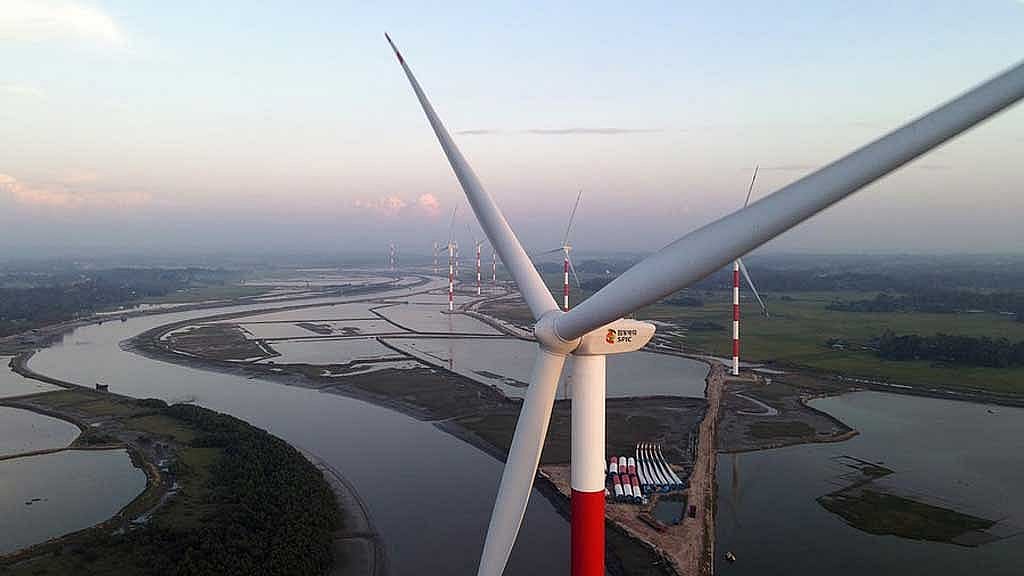
The capacity charge -- mostly paid in US dollars -- became an even heavier burden.
A government estimate placed before parliament showed that in the 14 years after 2009, Bangladesh paid Tk 1 trillion in capacity charges alone.
Many of the power plants entitled to these payments were rental and quick-rental units, originally intended to operate for just three to five years until base-load plants came online. Instead, their contracts were repeatedly renewed, despite low utilisation.
Some of these plants remain in operation nearly 15 years later.
Pakistan, facing a similar power-sector crisis, recently forced investors to renegotiate contracts -- allowing it to reduce electricity prices. But the interim government, led by Muhammad Yunus after the fall of the Awami League, failed to pursue such renegotiations.
The financial consequences have been stark.
Losses at the Bangladesh Power Development Board (PDB) -- the state-owned buyer of all electricity -- exceeded Tk 170 billion in the 2024–25 financial year, even after the government provided Tk 386 billion in subsidies.
Rising energy costs triggered more than a dozen electricity price hikes during the Awami League’s tenure, fuelling the worst inflation in decades -- an episode that lasted more than two years.
MORE POWER, LESS DEMAND
Since January 2024, around 2,500MW of new fossil-fuel-based power capacity have been added. Most of it came online after August under the interim administration.
At the same time, construction has continued on 17 additional power plants with a combined capacity of 4,714MW, scheduled to begin operation by 2030 -- following the previous government’s blueprint.
Many of these plants are expected to operate for decades.
Centre for Policy Dialogue Research Director Khandaker Golam Moazzem warned that electricity demand is unlikely to exceed 29,000MW even by 2040.
“The overcapacity problem will continue to deteriorate if the government does not move away from its current plan and start investing in renewable energy,” said Moazzem.
Yet renewable energy remains marginal, accounting for just 3.65 percent of installed generation capacity.
NO RESPITE FROM POWER CUT
Paradoxically, despite massive overcapacity, power cuts continued through the peak of winter -- even in Dhaka.
Some outages lasted more than an hour, exposing the fragile state of the country’s transmission and distribution systems. In several neighbourhoods, residents reported multiple outages in a single day.
“Recently, we had power outages lasting more than two hours at a stretch,” said Nur Hossain, caretaker of an apartment building in North Badda.
The cuts forced residents and businesses to burn diesel in generators -- an expense that could have been avoided with a reliable grid.
Power cuts are not new in Bangladesh. Just months after celebrating 100 percent electrification, the previous government imposed nationwide rotating outages in July 2022, with blackouts lasting up to 19 hours a day during summer.
PDB Member Jahurul Islam, who oversees power generation, said lower winter demand is normal and that this winter has been colder than usual.
“Electricity demand is expected to hit 18,000MW next summer. Around the world, countries maintain 40 percent of their generation capacity as backup to ensure uninterrupted power supply during emergencies,” he said.
“Our actual power generation capacity is lower than official records indicate due to the energy crisis,” he added, attributing winter power cuts to maintenance work on power plants and transmission lines.
Bangladesh’s highest-ever power generation -- 16,794MW -- was recorded in July 2025.