Home
+
Published : 24 Feb 2015, 09:07 AM
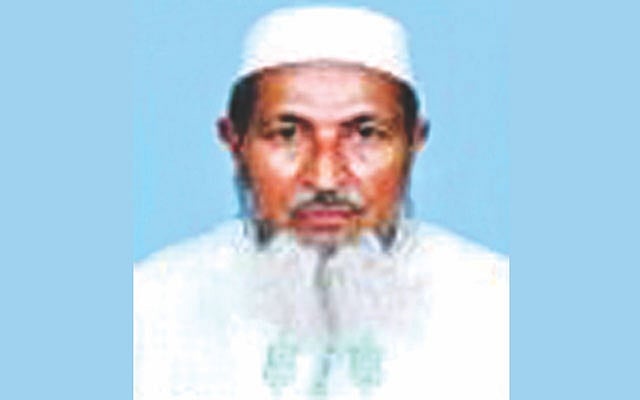
He sided with Pakistan during the Liberation War to thwart Bangalis' struggle for independence.
The prosecution said he was the ‘ring leader’ of Razakars in the Sundarbans coastal region.
Jabbar followed in his father-in-law Muslim League leader's footsteps and joined the anti-liberation elements.
He was chairman of the Mathbarhia unit ‘Peace Committee’, formed to assist the Pakistan Army, according to prosecution document.
At a rally in 1971, he said, “There will be no place for freedom fighters and Hindus on this soil. The properties of Hindus are war booty. It is legal for Muslims to enjoy them.”
The once powerful collaborator went into hiding after independence. He resurfaced after military ruler and BNP founder Gen Ziaur Rahman rehabilitated anti-liberation forces to join Bangladesh’s politics.
Martyr Binod Bihari Biswas’ son Jogyesh Biswas filed a case against him in 1972 but it got buried under the changed political scenario following the assassination of independence architect Bangabandhu Sheikh Mujibur Rahman.
In 1986, he joined another military strongman HM Ershad’s Jatiya Party and was elected an MP from Pirojpur-4 constituency. He was re-elected two years later in a sham election.
Jabbar was accused in cases for embezzling tin and rice in 1991 when the BNP came to power after Ershad’s fall.
He joined the BNP to save his skin before returning to the Jatiya Party in 2001. Jabbar was made the party’s vice chairman.
His name is included in a list of 50 war criminals published by the Sector Commanders Forum, a platform of 1971 war veterans, who led different sectors.