Home
+
Published : 06 Jun 2026, 02:03 AM
The new BNP government, which came to power in the 13th parliamentary election after an eventful one and a half years under the interim government, will present its budget for the new fiscal year in a few days.
Some major concerns for the new government are the stagnation of private credit growth and government investment. Foreign direct investment is also on the decline.
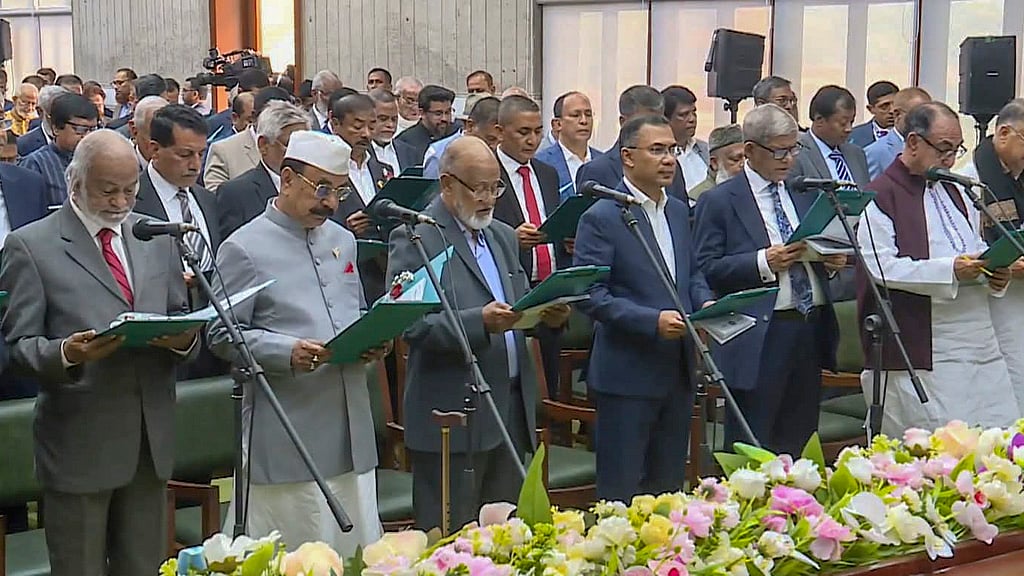
Under these circumstances, talk has centred on how far the economy can turn around under the leadership of Prime Minister Tarique Rahman, who has been in power for 100 days, and how the investment doldrums will be overcome.
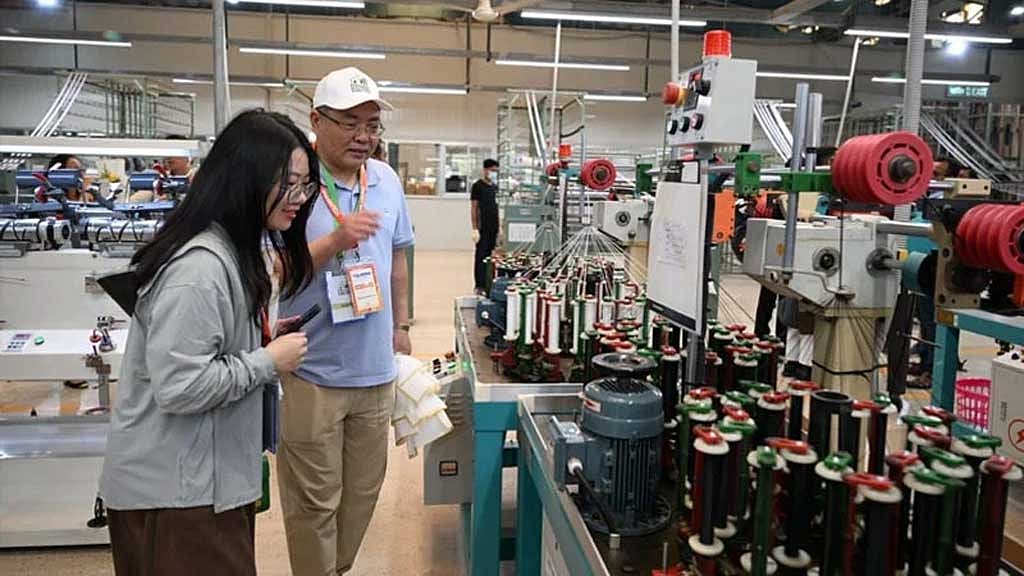
New initiatives to establish industries in Bangladesh and business expansion have stalled due to contractionary monetary policy measures to avoid unbridled inflation, sluggishness in the implementation of development programmes, and instability in the energy sector due to the impact of the war in West Asia.
Although businessmen and industrialists have become more optimistic about investment under the new government, they have reservations about how far investment will increase amid high interest rates on bank loans.
Meanwhile, researchers have described the situation as a time of “multidimensional” crisis, stating that the new government must focus on increasing investment as they believe it is the only way to revitalise the economy.
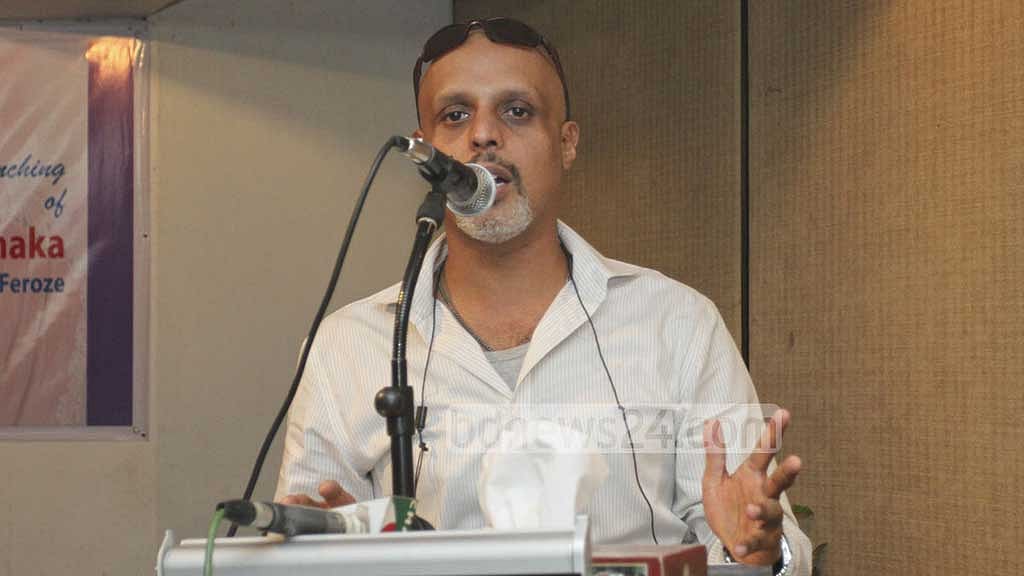
Zahid Hussain, economic researcher and former chief economist at the World Bank’s Dhaka office, told bdnews24.com: "The time to evaluate the new government has not yet come. It will take a few more days. But I would say that we must first focus on investment."
"There are signs of that, of course, Bangladesh Bank has announced a stimulus package of Tk 600 billion. Let's see what happens."
Credit Growth Low
The “Weekly Selected Economic Indicators” report published by Bangladesh Bank on May 24, before the Eid ul-Azha holiday, shows that the total amount of loans disbursed by banks to the private sector stood at Tk 18 trillion at the end of March, the ninth month of the current 2025-26 fiscal year.
At the end of March 2025, that is, after nine months of the previous (2024-25) fiscal year, the amount was Tk 17.19 trillion.
Accordingly, the private sector credit growth year-on-year is 4.72 percent. This means that in March of this year, banks have disbursed 4.72 percent more in loans than in the same period last year.
The Bangladesh Bank website has a list of loans disbursed to the private sector since 2003 with data on credit growth. This shows that March had the lowest growth in two decades.
A Bangladesh Bank official, speaking on condition of anonymity, told bdnews24.com, “The 4.72 percent growth in private credit is actually the lowest growth in the country’s history. Never before has there been such low growth.”
The monetary policy for the second half of the current fiscal year (January-June) has set a target for credit growth in the private sector of 8.50 percent.
According to the growth calculation up to March, the growth is 3.78 percentage points less than the target.
A Bangladesh Bank official said that even if the total loan disbursement does not actually increase and the interest added to the balance increases, it could lead to a slight increase in the credit growth.
Some in the know say that if the interest rate is taken into account, the credit growth in the private sector has actually decreased because the growth is calculated by adding the interest rate.
Last March, banks disbursed loans at an average interest rate of 11.96 percent. The average interest rate on deposits was 6.24 percent. As such, the average difference between interest rates on loans and deposits was 5.72 percent.
At the end of June, the last month of the 2024-25 fiscal year, private sector credit growth - an important indicator of the economy - grew by 6.49 percent. In June 2024, the last month of the 2023-24 fiscal year, the growth was 9.84 percent.
When the Awami League government fell in August 2024, credit growth was 9.86 percent.
Although investment stagnated during the COVID-19 pandemic, private sector credit growth was above 7.5 percent in June 2021, the last month of the 2020-21 fiscal year.
Is a Strict Monetary Policy Having the Opposite Effect?
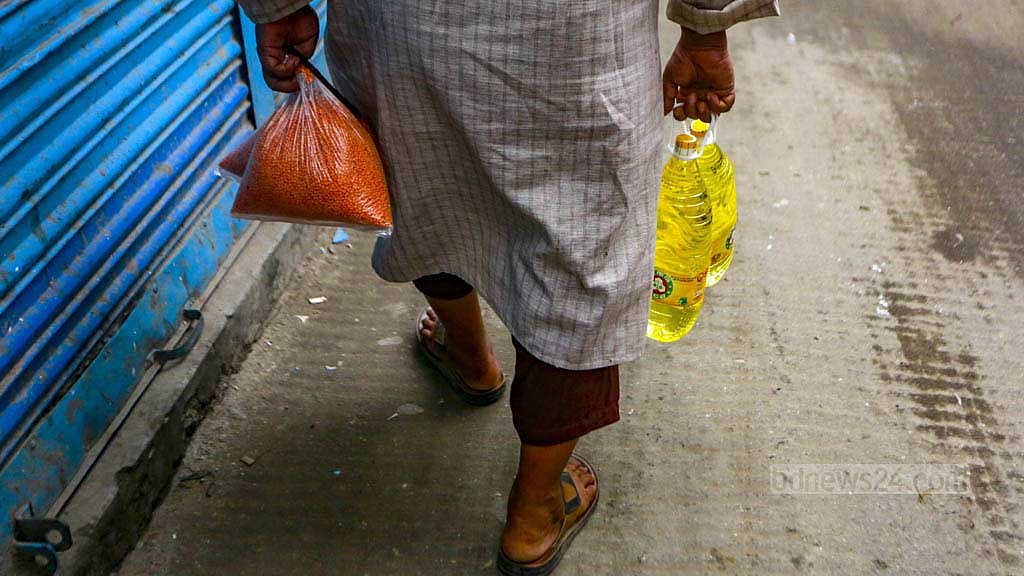
Inflation jumped up under the Awami league government and, at one point, attempts were made to rein it in by increasing the policy interest rate.
During the student-led mass uprising of in July and August 2024, the economy was battered by a number of disruptions, including widespread violence, blockades, and internet shutdowns. Muhammad Yunus's interim government also followed a tight monetary policy to rein in rising costs amid various developments, including an uptick in “mob violence”.
During the tenure of Bangladesh Bank governor Ahsan H Mansur, the policy interest rate was increased several times to 10 percent, which took a toll on private credit growth. Despite these efforts, inflation has decreased only slightly.
According to the latest data from the Bangladesh Bureau of Statistics (BBS), overall inflation on a point-to-point basis in April was 9.04 percent. This means a basket of goods or services that could be bought for Tk 100 in April 2025 cost Tk 109.04 on average this April.
Meanwhile, credit growth in the private sector has slowed down to 4.72 percent, and the two indicators are moving in opposite directions.
ADP Implementation Remains Sluggish
Government spending on development projects has remained slow for more than a year and a half.
The pace of implementing the Annual Development Programme (ADP) slowed during the interim government's tenure as it cut back on development projects and reduced spending.
Only 41.41 percent of the ADP was implemented in the first 10 months of fiscal year 2025-26, from July to April.
According to the latest figures from the Implementation Monitoring and Evaluation Division (IMED), the interim government spent Tk 865.16 billion during the period.
It had originally planned to spend Tk 2.39 trillion through the ADP.
However, with implementation lagging behind expectations, the National Economic Council (NEC) cut the ADP by Tk 300 billion on Jan 12, reducing it to Tk 2.09 trillion.
Even after the revision, the government will need to spend Tk 1.22 trillion in May and June to meet the new target.
In the same period of the previous fiscal year, ADP spending stood at Tk 934.25 billion, meaning expenditure fell by Tk 69.09 billion year-on-year.
Foreign Investment Falls
Foreign investment has also declined alongside public and private investment.
Bangladesh Bank's balance of payments data, released on May 6, show the country received $1.01 billion in net foreign direct investment (FDI) between July and March.
During the same period a year earlier, net FDI had stood at $1.31 billion, meaning foreign investment fell by $310 million, or nearly 24 percent, year-on-year.
Net FDI refers to the amount of investment that remains in the country after foreign companies take their profits abroad.
The slowdown was particularly noticeable in the January-March quarter, when Bangladesh received just $199 million in net FDI, down sharply from $788 million during the same period the previous year.
The decline comes despite Bangladesh attracting $1.71 billion in net FDI in fiscal year 2024-25, a 20 percent increase from the previous year, even amid political unrest and uncertainty following the ouster of the Awami League government.
Investment at a 10-Year Low Compared to GDP
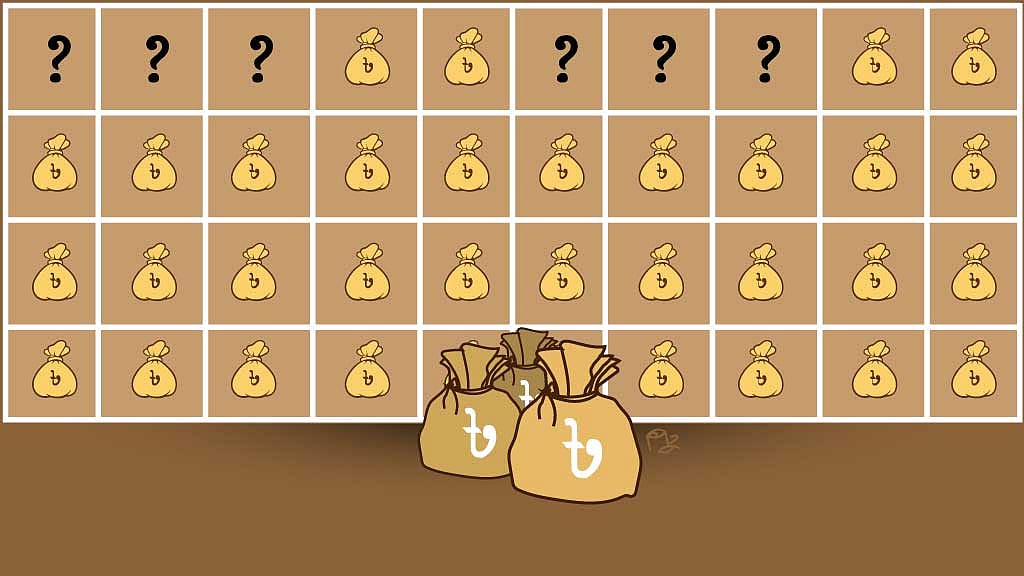
Official data show investment as a share of gross domestic product (GDP) has dropped to its lowest level in 10 years.
According to the Bangladesh Bureau of Statistics (BBS), Bangladesh's GDP stood at $456.48 billion in fiscal year 2024-25, while total investment amounted to Tk 15.74 trillion.
That means investment accounted for 28.54 percent of the GDP, falling below 30 percent for the first time in 10 years.
Of that total, private sector investment made up 22.03 percent of GDP, while public sector investment accounted for 6.51 percent.
The last time the investment-to-GDP ratio was this low was in fiscal year 2015-16, when it stood at 29.65 percent.
Bangladesh recorded its highest investment level in fiscal year 2018-19, when investment reached 32.21 percent of GDP.
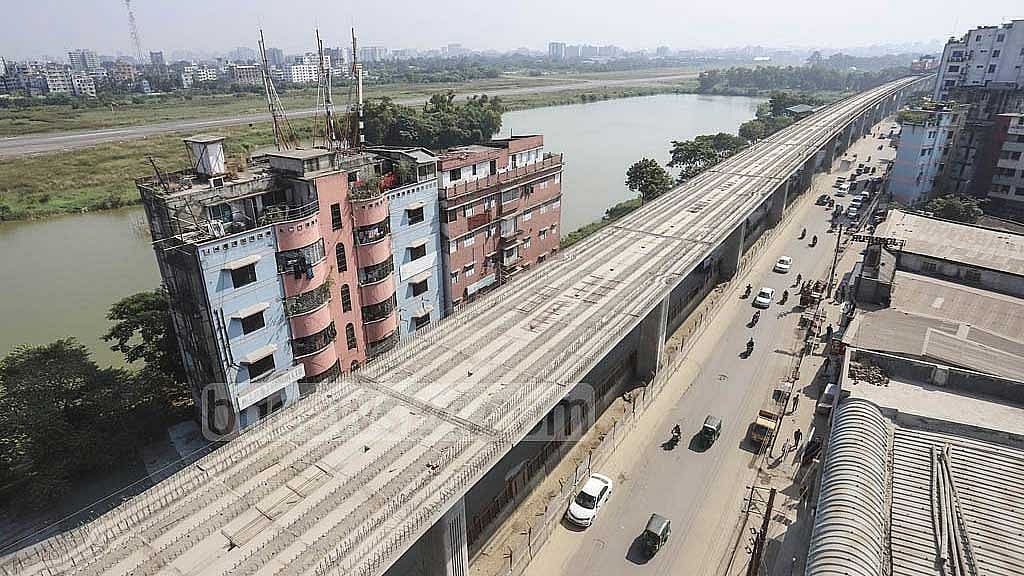
Much of that growth was driven by major projects such as the Padma Bridge, metro rail, and special economic zones.
Zahid said those years were marked by relative economic stability and confidence among businesses.
“Despite various problems, there was stability in the economy.
“Businesses and investors felt confident. There was excitement around major projects, which helped create a favourable investment environment,” he said.
“But the past year and a half has been very different. Law and order concerns, political uncertainty, and worries over elections created anxiety among businesses and entrepreneurs. That is why investment slowed.”
He believes confidence is beginning to return under the new government, though it remains to be seen whether investment will recover.
‘Without Investment, Everything Will Slow Down’
The BNP government has announced a Tk 600 billion stimulus package and measures to restart closed factories in an effort to revive the economy.
The package includes a Tk 410 billion refinancing fund sourced from excess liquidity in commercial banks, while Bangladesh Bank will provide the remaining Tk 190 billion.
Economists are now debating how much impact the package will have, much like the stimulus measures introduced during the COVID pandemic.
M Masrur Reaz, chairman of Policy Exchange Bangladesh, said reviving investment is essential if the economy is to regain momentum.
“Without investment, employment, exports, diversification, and productivity will all suffer,” he told bdnews24.com.
“The investment climate is now at its weakest point in years. Major reforms will be needed to turn things around.”
He said private-sector lending growth has fallen to a historic low, which is a worrying sign for future investment.
According to Masrur, the interim government failed to take effective steps to encourage investment or create jobs.
Comparing the investment environment with a damaged house, he said unless it is repaired, investors will not want to move in.
“The new government must make investment its top priority,” he added.
Masrur suggested three key steps: relying more on public-private partnerships and private investment, improving the capacity of government agencies to implement projects, and focusing on delivering plans rather than simply announcing ambitious targets.