Published : 10 Apr 2015, 01:35 AM
Updated : 19 Oct 2022, 06:40 PM


Also Read:
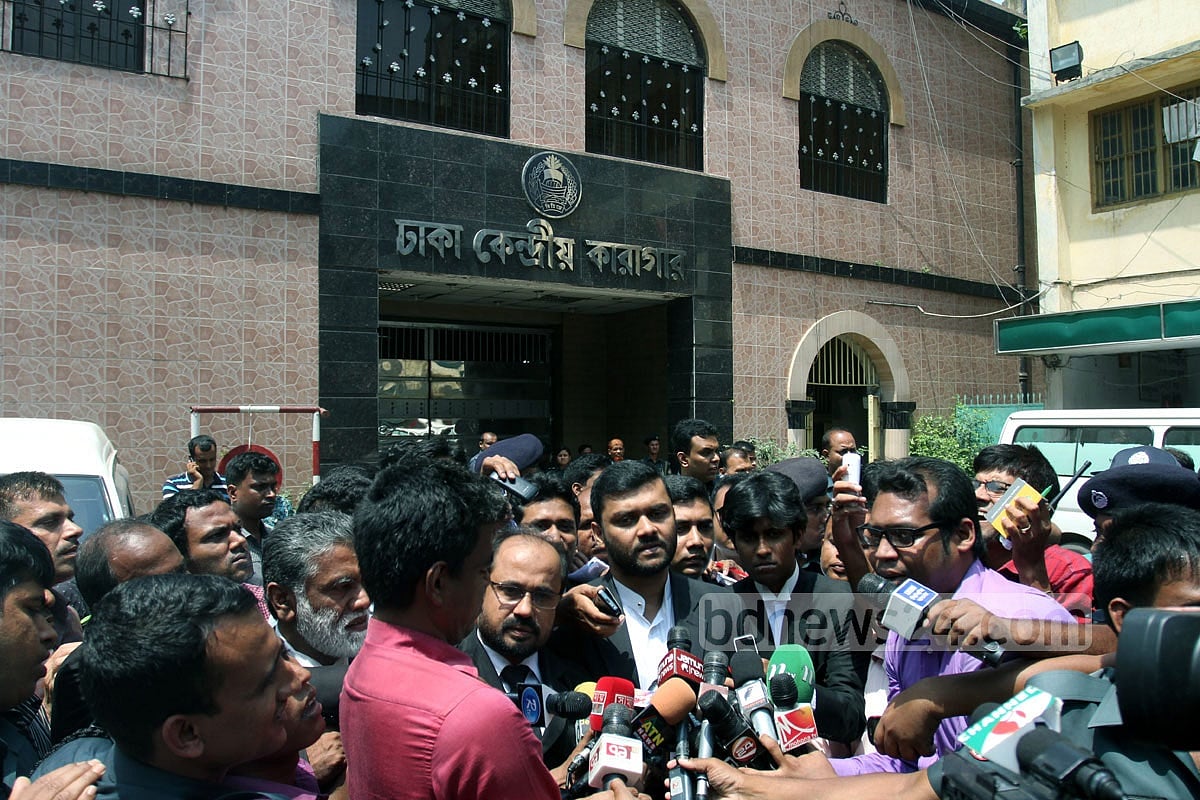
Kamaruzzaman will have to decide on presidential pardon by Thursday: State minister for homeFollowing a 30-minute discussion with their client at the Dhaka Central Jail on Thursday, his key counsel Shishir Monir said, “He said he will think about the next step. He will inform the appropriate authorities of his decision after thinking over the matter.”
“[Kamaruzzaman] has been read out the full verdict. He discussed with us various aspects of it. He asked us for clarifications, preceding cases and related laws. We, as his counsels, advised him on them as far as we could,” added the former leader of Jamaat’s student wing, Islami Chhatra Shibir.
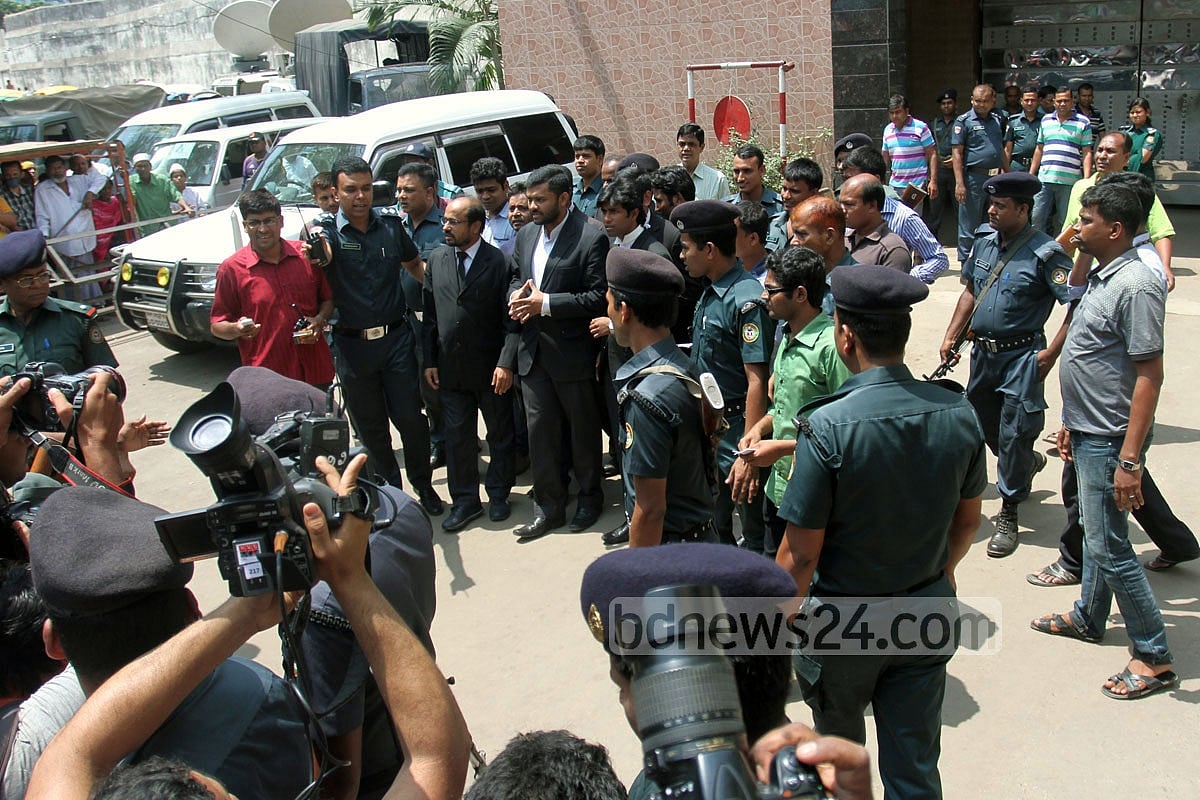
The five, Shishir Monir, Ehsan A Siddique, Mashiul Alam, Matiur Rahman Akhand and Maujahidul Islam Shahin, entered the prison complex around 10:48am on Thursday.
When asked how long Kamaruzzaman will take to decide, he said, “He would take ‘reasonable’ time … He has taken time to analyse, time to think, when he will inform jail authorities… he will decide after talking with the authorities.”
The war crimes convict was “physically fit and mentally doing well”, according to his lawyer.
The Jamaat-e-Islami assistant secretary general was sentenced to death for atrocities he committed during Bangladesh’s Liberation War.
The Appellate Division upheld the sentence describing his crimes as being “worse than Nazis”.
Chief Justice SK Sinha-led bench last Monday rejected his plea for a review of the penalty the top court had handed him.
The jail code, which allows time from 7 to 21 days to resolve the issue of presidential clemency, will not be applicable for trials under the war crimes tribunal, Attorney General Mahbubey Alam had said earlier.
After the top appeals court rejected the review plea on Monday, he told journalists that there was no specified time frame to resolve the issue. There is also no specific instructions about when the convict will ask for pardon.
“But that does not mean that he will get 7 days or 15 days. The jail authorities will inform [Kamaruzzaman], and after that set a time for him to appeal.
“The jail authorities will decide on how long that would be.”
The law requires the convict to admit to his crimes before seeking presidential mercy. The president will decide once the plea reaches him.
Once the matter is resolved or if the convict does not seek mercy, the government takes steps to execute the prisoner.
The same steps were followed in executing the death sentence of Abdul Quader Mollah on Dec 12, 2013.
Government had then said that the Jamaat leader had not sought mercy.