Home
+
Published : 03 Nov 2017, 11:27 AM
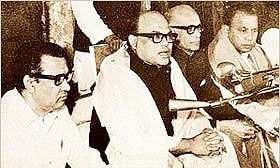
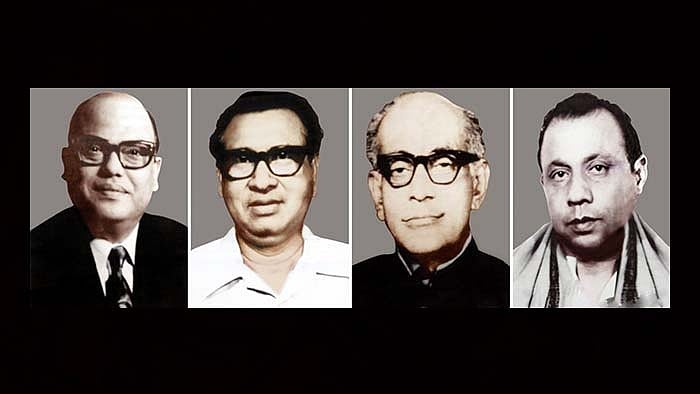
On this day in 1975, four leaders of the wartime national government—acting president Syed Nazrul Islam, prime minister Tajuddin Ahmad and Cabinet ministers M Mansur Ali and AHM Qamruzzaman—were killed inside Dhaka Central Jail.
The nation, which fought a war of independence against Pakistan in 1971, owes much of its victory to the four top Liberation War organisers.
The leaders, closest to Bangabandhu Sheikh Mujibur Rahman, the nation’s founding father, were arrested after the Bangladesh president was killed along with most of his family members by a group of army officers on Aug 15, 1975.
They were murdered while in state custody on Nov 3 that year as the country witnessed sweeping changes in politics amid the chaos that followed Bangabandhu’s assassination.
The day Bangladesh was robbed of its top national leaders has since been remembered as Jail Killing Day.
The ruling Awami League and its affiliates organised a series of programmes for the day.
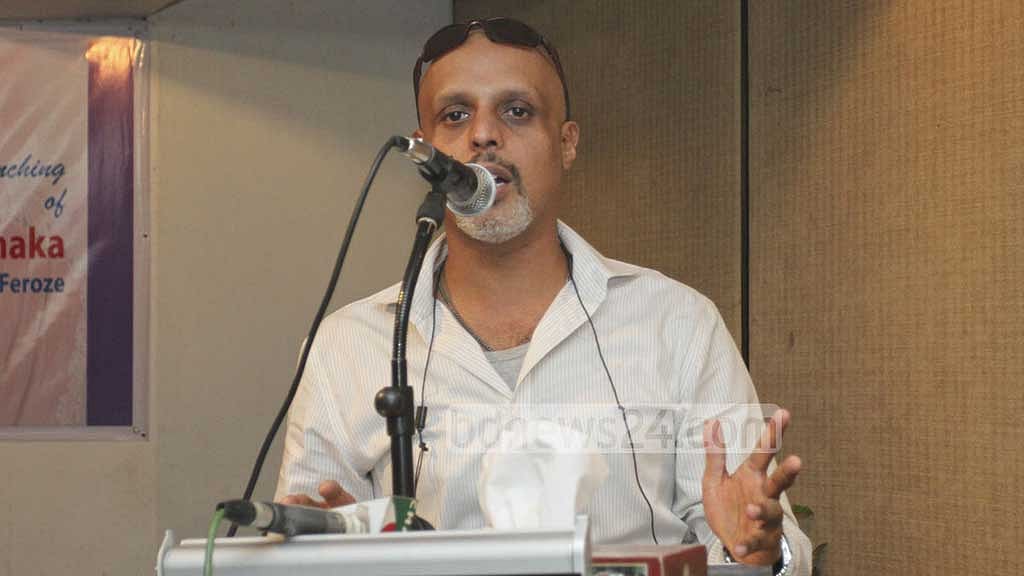
Awami League General Secretary Obaidul Quader paid tributes at the mural of Bangabandhu in Dhanmondi 32 on behalf of Prime Minster Sheikh Hasina at 7am Friday.
“Aug 15, Nov 3 and Aug 21 are linked to one another,” he said.
“The infamous criminals who have been known for their stance against humanity carried out the brutal killings and are still active,” the leader claimed calling on the people to stay cautious.
Delegates from Bangladesh Awami Jubo League, Swechchhasebak League, Bangladesh Chhatra League, Bangladesh Jatiya Sramik League, Bangladesh Mahila Awami League and other affiliates of the ruling party paid respects separately.
At 6am, black flags and the Awami League’s flag were raised at half-mast at Bangabandhu Bhaban, the Awami League offices and other party offices across the country.
Tributes were paid to Syed Nazrul Islam, Tajuddin Ahmed and Mansur Ali at Dhaka's Banani graveyard and AHM Quamruzzaman in Rajshahi at 8am.
In a statement made in observance of the day, Prime Minister Sheikh Hasina has said: “The brutal killings were done with a motive to erase all signs of the Bangladesh Awami League from this land.”
“They wanted to destroy the spirits of the Liberation War and leave this nation void of leadership.”
The military conspirators responsible for the assassination of Hasina's father Bangabandhu are also believed to have perpetrated the jail killings.
The murder trials were put on hold for 21 years. Awami League revitalised the case when it came to power in 1996.
The charges were pressed against 23 people on Oct 15, 1998, 23 years after the case was filed.
On Oct 20, 2004, during the tenure of the BNP-Jamaat-e-Islami coalition government, the High Court sentenced 15 of the 20 accused of the jail killings.
Three fugitives, Risalder Mosleh Uddin, Dafader Sharafat Ali and Abul Hossain Mridha, were sentenced to death in the case and 12 others were awarded life imprisonment.
Subsequently, the High Court upheld the death sentence of just one.
The deceased’s families have called the verdict ‘farcical and politically motivated’ and insisted that justice had not been done.
The Awami League government sought permission to challenge the High Court verdict in 2009 after it came to power in the 2008 elections.
On Jan 11, 2011 an appellate bench led by Chief Justice ABM Khairul Haque granted the government’s appeal.
The Appellate Division then upheld the death sentences against Dafader Marfat Ali Shah and LD Dafader Abul Hashem Mridha on Apr 30, 2013.