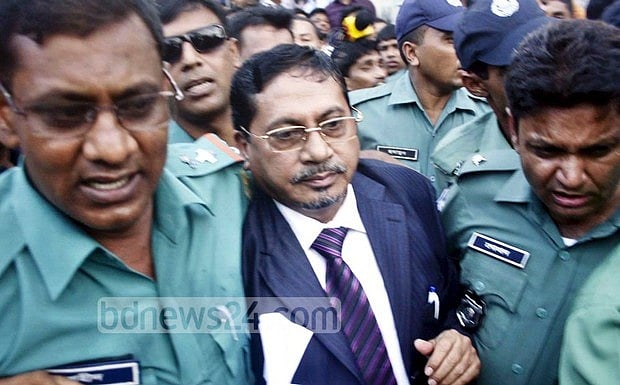
Published : 06 Apr 2015, 04:31 PM
Updated : 08 Aug 2022, 04:45 PM


“The trial process has concluded. Only two things are left now. One is whether he will seek a presidential clemency and the second is the visit of his family members in jail,” he told a media briefing on Monday.
A four-member Appellate Division bench, led by Chief Justice Surendra Kumar Sinha, rejected the petition on Monday morning after about two-hour long hearing on it the previous day.
“The next thing is the implementation of the verdict, which the government will decide,” said the country’s top law officer.
The law, however, does not stipulate a specific time to resolve the issue of mercy petition, said Alam.
An Appellate Division verdict, while rejecting a similar plea by war criminal Quader Molla, however, had stated that ‘reasonable time’ should be given to file for presidential clemency.
“But that does not mean 7 to 15 days. The prison authorities will inform Kamaruzzaman and set a time as per its own discretion,” added the attorney general.
If the president decided to consider the mercy petition then he could keep the file with him even for 15 days, he said. “But if the president thinks he will not consider it, then he can send it back within an hour.”
Replying a query, Alam said that the verdict would not be implemented until the matter of presidential clemency was resolved.
Referring the execution of sentences on the day of rejection of review petition itself as was done in the case of Bangabandhu murder trial and war crimes trial of Quader Molla, journalists asked whether that would be the case for Kamaruzzaman too.
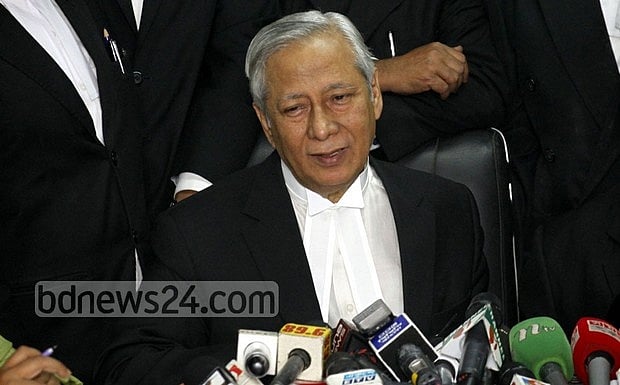
Mahbubey Alam (File Photo)
“So, Quader Molla’s execution was carried out in line with the laws. Now two things are left in the case of Kamaruzzaman: Whether he will go for a mercy petition and let the family members visit him,” he added.
The government would decide when to implement the verdict, said Alam. “When the verdict will be implemented is not the main issue. The key issue is, his death sentence has been upheld.”
He added that the jail code would not be applicable in war crimes trials.
Former Al-Badr leader Mohammad Kamaruzzaman was sentenced to death in 2013 for committing atrocities on Bengalis during the 1971 Liberation War.
Many other Jamaat-e-Islami leaders are also accused of committing similar atrocities at that time.
On Nov 3 last year, the Appellate Division upheld the death sentence.
The war crimes tribunal issued a death warrant for him after the Supreme Court published the full verdict upholding the death penalty on Feb 18 this year.
However, the execution was not carried out after the convict appealed for a review on Mar 5. The review petition was turned down by the top appeals court on Monday.