Published : 17 Nov 2025, 08:42 AM
Updated : 21 Aug 2026, 02:44 PM


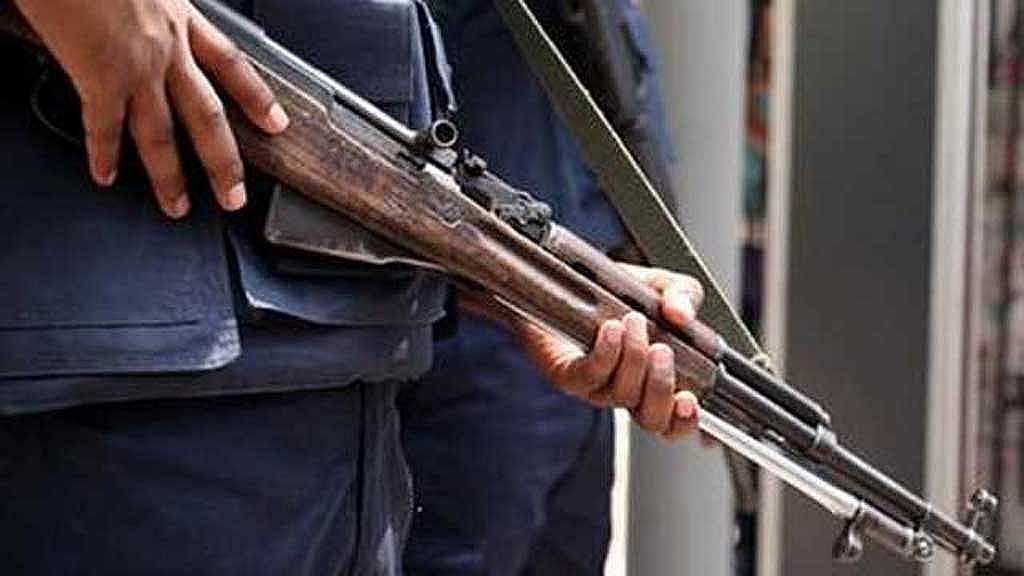
In a span of five days, police in Bangladesh’s two largest cities, Dhaka and Chittagong, have issued directives to their unit chiefs to open fire on suspected arsonists and attackers using crude bombs.
Authorities cite the Penal Code’s provision on the “right of private defence” as the legal basis for the orders.
Yet critics warn that in the past, this clause has been misused as a shield to justify extrajudicial killings, including so-called crossfires during political unrest.
A decade ago, under an Awami League government, police used similar provisions to fire on opposition the BNP and Jamaat-e-Islami activists during programmes of unrest, leading to abductions and enforced disappearances.
Lawyers and journalists highlight that such legal provisions and directives have historically been exploited, raising fears that history could repeat itself.
Dhaka Metropolitan Police Commissioner Sheikh Md Sazzat Ali gave the shoot-on-sight instruction on Sunday afternoon via DMP wireless channels, after reports of buses set on fire and crude bombs thrown.
Five days earlier, Chittagong Metropolitan Police Commissioner Hasib Aziz issued a similar order, which drew mixed reactions.
The roots of misuse go back to 2004, when the BNP government established specialised police units, including the Rapid Action Battalion (RAB), incorporating military and paramilitary personnel.
The era marked the start of a series of extrajudicial killings known as “crossfires”. The practice continued through the BNP’s tenure and the subsequent 2007–2008 caretaker government. Law enforcement repeatedly invoked the right to private defence to legitimise lethal action.
When the Awami League returned to power in 2008, it promised to end extrajudicial killings. While crossfires declined between 2009 and 2013, enforced disappearances emerged as a new tactic.
Many detainees were allegedly held in secret facilities, some later charged with fabricated cases.
Following the Aug 5 fall of the Awami League government last year, several officers implicated in these practices were arrested, and victims’ testimonies highlighted “secret detention and torture”.
Ahead of the verdict in the International Crimes Tribunal case against Hasina for crimes against humanity during the July Uprising, the Awami League, banned from all political activities, announced protests and a Dhaka lockdown from Nov 10-13. Sporadic arson and bomb attacks have occurred in multiple districts.
Commissioner Sazzat told bdnews24.com, “I instructed via wireless that anyone setting buses on fire or attacking with crude bombs must be fired upon. This is allowed under our law.”
Later at the DMP headquarters, senior officials discussed sections 96–106 of the Penal Code, which affirm the right of private defence. Section 96 states: “Nothing is an offence which is done in the exercise of the right of private defence.”
Human rights organisations, however, have expressed alarm. Ain o Salish Kendra (ASK) noted that the Constitution guarantees every citizen’s right to life and legal protection, and “ordering shooting without due process is wholly unacceptable”.
Journalist Muktadir Rashid Romeo recalled past misuse during the 2013–2014 political unrest, warning that the new directives may revive police-centric power management under the guise of legality, undermining the rule of law.
Supreme Court lawyer Shahdeen Malik echoed the concern, saying: “Past experience shows that this authority is often misused; there is no reason to assume that everyone will act correctly this time.”
Former IGP Nurul Huda acknowledged the potential for misuse, noting: “There is an opportunity for abuse because law enforcement holds the power. It depends on the situation and how it is applied.”