Home
+
Published : 14 May 2026, 10:37 AM
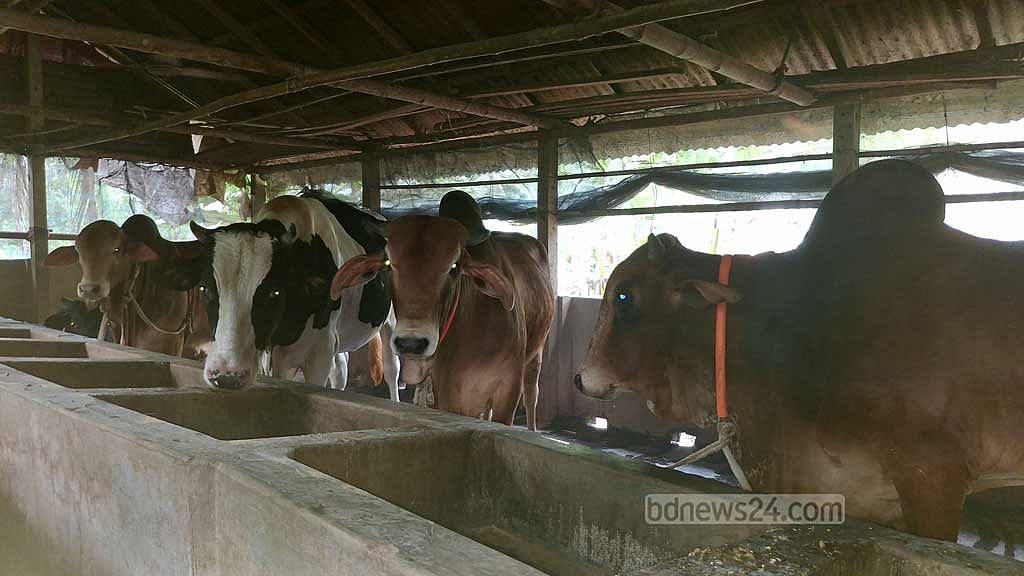
Hundreds of cattle have come down with lumpy skin disease (LSD) across Matlab North Upazila in Chandpur, putting farmers and traders on edge ahead of Eid-ul-Azha.
Farmers say a shortage of government vaccines has left them unable to take effective preventive measures, while many cattle are not surviving despite expensive treatment.
They warn that the situation could deal a severe blow to the Eid-focused livestock trade.
Upazila Livestock Officer Dr Shyamal Chandra Das said more than 500 cattle are currently infected across the Upazila.
He said four to five infected cattle are being treated daily according to official records, while several others are receiving treatment outside the registry.
Local sources said the disease has spread across almost every village in the Islamabad, Sultanabad, Farazikandi, Eklashpur, Jahirabad, Satnal, Sadullapur, Baganbari, Fatehpur unions, as well as Sengarchar Municipality.
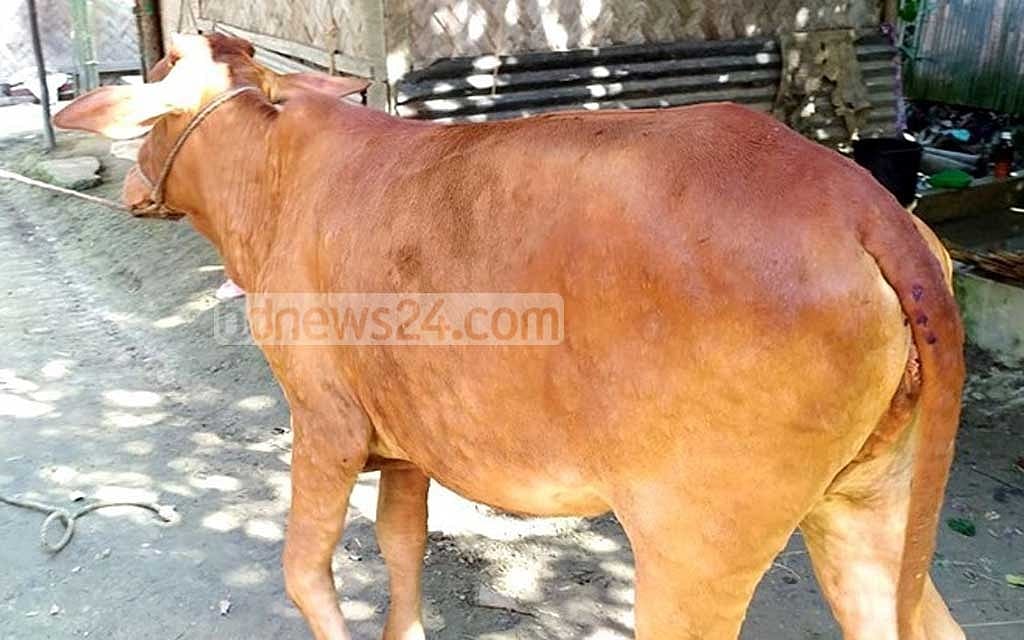
The outbreak has reduced milk production in infected cattle, while widespread skin lesions are damaging hides and pushing down market prices.
Stakeholders fear the crisis could also impact the dairy, meat and leather industries.
Many farmers say they are close to financial ruin after losing cattle raised with years of savings and hard work.
On Monday, a large cow worth around Tk 250,000, raised for Eid-ul-Azha by marginal farmer Hosneara Begum in Gazra Union, died after contracting lumpy skin disease.
A similar situation has been reported in Otar Char village under Sengarchar Municipality, where a five-month pregnant cow from a farming family died of the disease.
A calf belonging to an impoverished autorickshaw driver Kashem from the same village also died after infection.
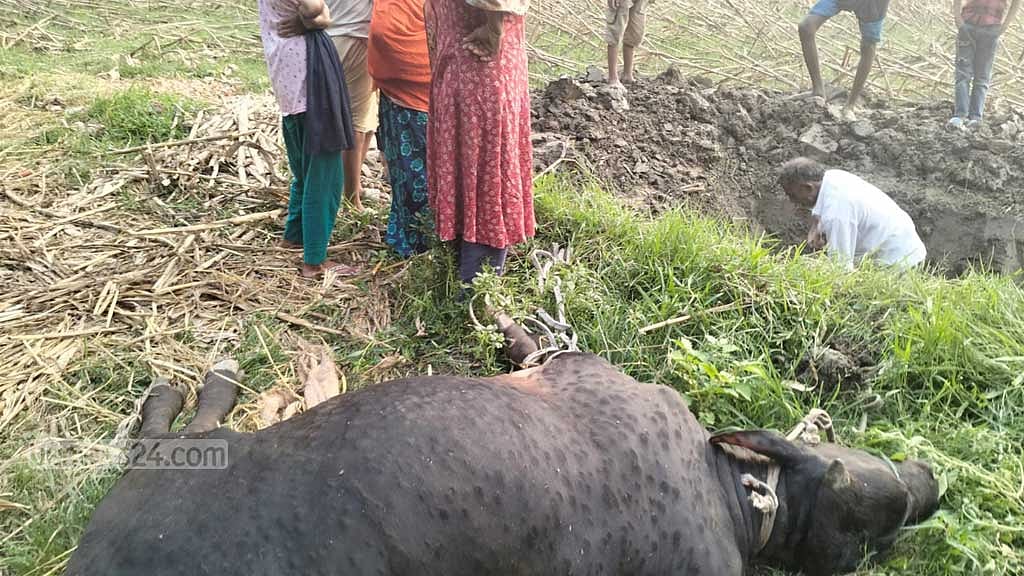
Md Shuvo, a resident of Islamabad Union, said his family’s nine-month pregnant cow died around 20 days ago, adding that the animal had carried their major financial hopes.
Another farmer, Alam Nuri of the same union, said he was left devastated after losing his prized cattle in recent days.
Small-scale farmer Ataur Rahman from Otar Char said he spent heavily on treatment after one of his cattle was infected, but the animal eventually died.
He said veterinary doctors later informed him there is no specific cure for the disease.
Farmer Jasim Uddin from Sujatpur said he owns seven to eight cattle and is living in constant fear as the disease spreads rapidly.
He warned that infections ahead of Eid could trigger severe losses for livestock traders.
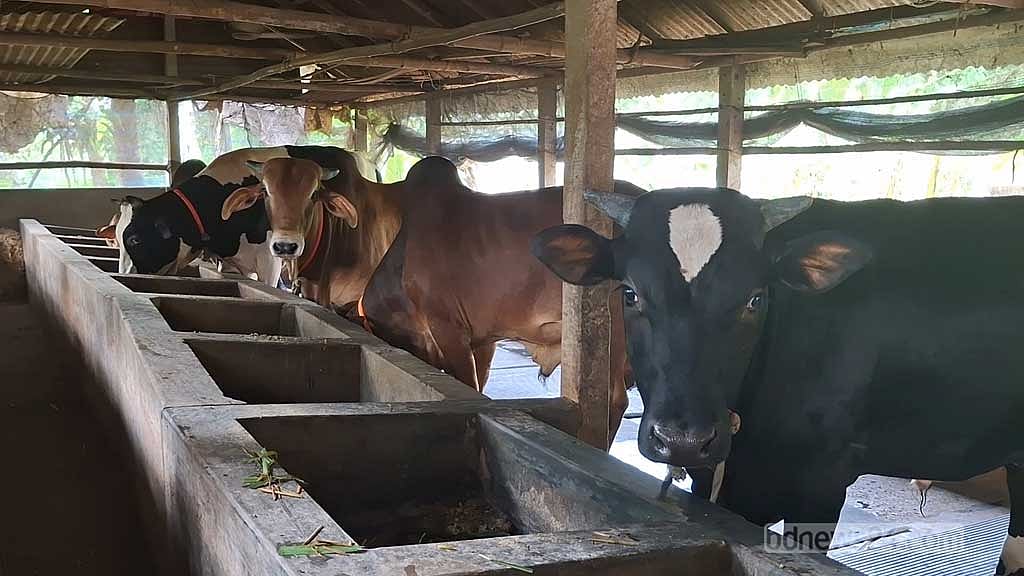
Farmers across the area said the outbreak is spreading so quickly across Matlab North that the entire dairy sector could come under serious threat without urgent intervention.
Dr Shyamal said the virus spreads mainly through mosquitoes and flies.
According to him, infected cattle first develop high fever, followed by widespread skin lesions that can lead to tissue damage, particularly in humid and rainy conditions.
Infected animals often develop wounds that discharge blood and pus, lose appetite and become severely weak, making recovery difficult even after treatment.
The official noted that there is no specific treatment for lumpy skin disease as it is viral, and control depends largely on early detection, awareness and supportive care.
He said government vaccine supplies remain limited, with around 800 cattle vaccinated this year under official programmes, while some vaccines are available in the private market.
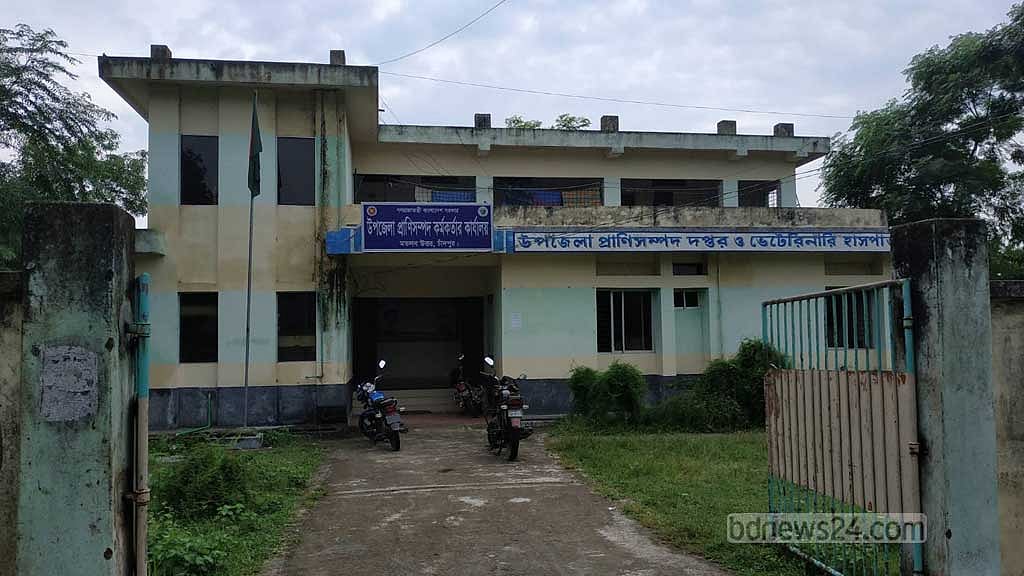
Explaining treatment protocols, he said symptomatic care includes antipyretic and antihistamine medicines, along with wound dressing using antiseptic solutions and topical powders.
He cautioned against unnecessary antibiotic use, adding that most cases typically come under control within 21 days.
Dr Shyamal urged farmers not to panic and to seek immediate help from registered veterinarians if cattle become infected.
He also advised isolating sick animals under mosquito nets to prevent further spread.
He further recommended separating equipment used for infected cattle, disposing of milk from infected cows instead of feeding it to calves, and maintaining strict farm hygiene to contain the outbreak.