Home
+
Published : 14 Jan 2013, 01:31 PM
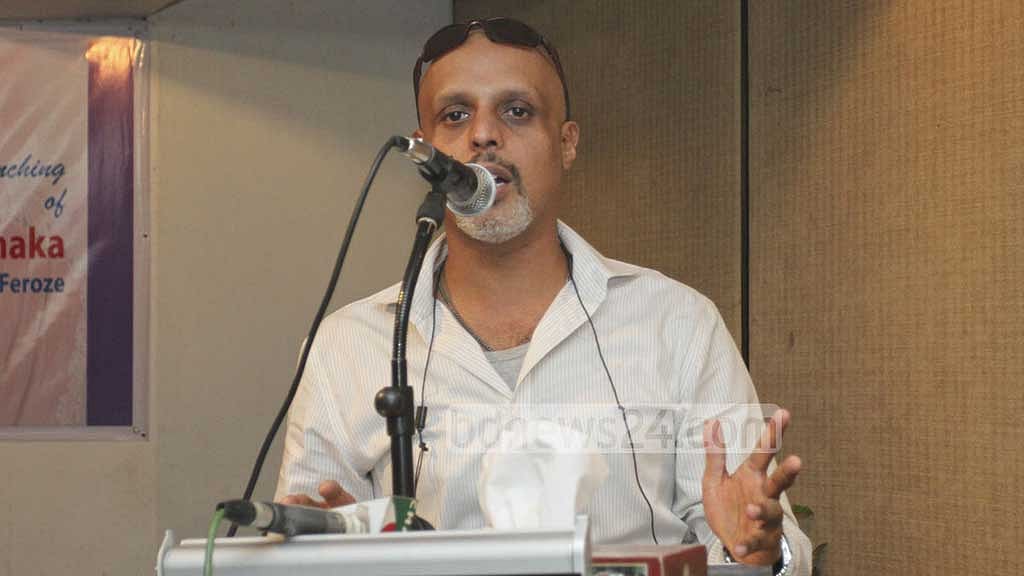
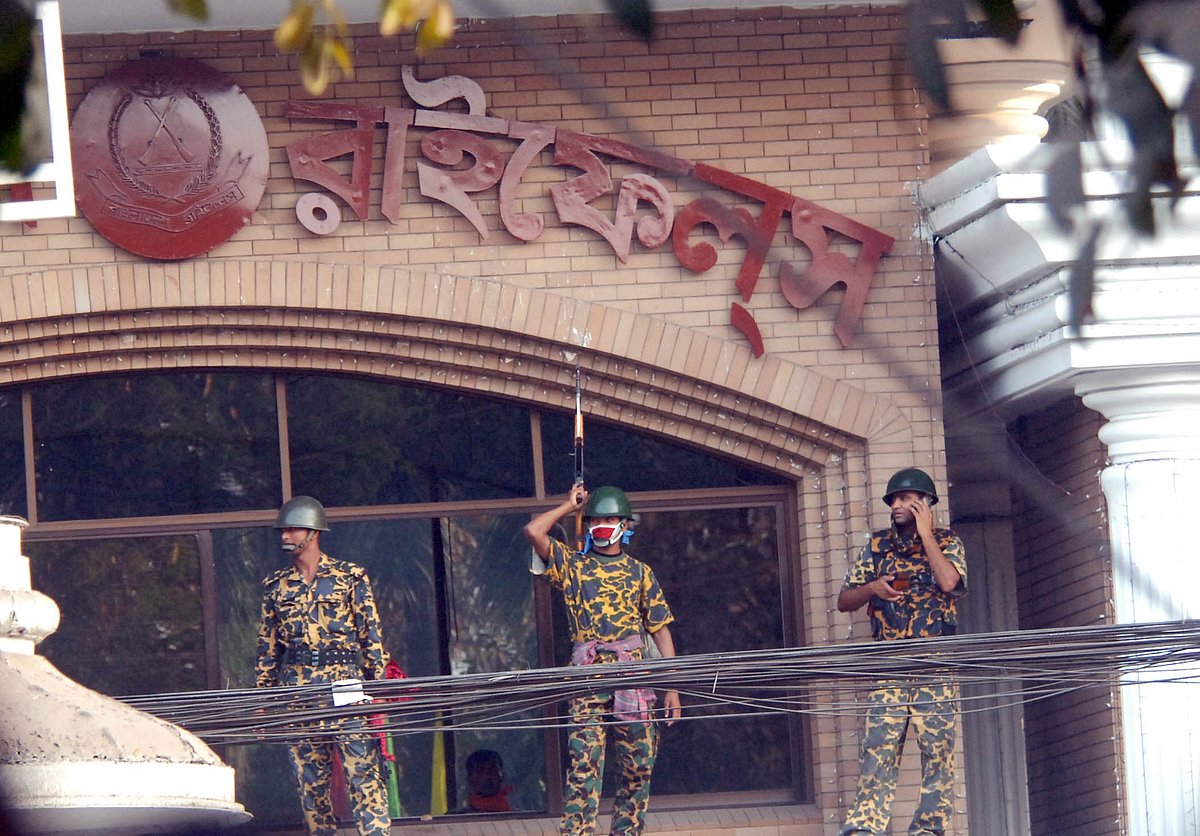
“The overall situation at the Peelkhana headquarters of the BGB (earlier known as Bangladesh Rifles or BDR) and elsewhere has returned to normal,” the BGB chief said speaking at a press briefing in the capital.
Hundreds of BDR men had revolted at the Darbar Hall on Feb 25-26, 2009 during the three-day ‘BDR Week’ inside the headquarters.
Maj Gen Ahmed said the army soldiers who had been deployed at the Peelkhana and other locations in the country following the mutiny to ensure security in the BGB camps were being withdrawn gradually in phases.
“Those who were deployed at my residence for security were withdrawn recently. The army soldiers, who used to give me protocol while going to various places after my takeover of the office, have also been withdrawn,” he said.
Maj Gen Ahmed took the charge of BGB as its new Director General on Dec 5.
As the situation improved, the policemen deployed at the Peelkhana were withdrawn on Dec 31, Ahmed said and added that the Detective Branch of the BGB was strengthened after the mutiny.
“We’re only providing administrative assistance in the cases that were filed in connection with the mutiny.” Those acquitted in the trial had returned to the paramilitary force and performing their duties normally, he added.
Trial in all the 57 cases filed across the country under the BGB Act over the mutiny has already concluded. But the trial of the cases filed over killing of civilians and army officials are now underway under the existing laws.
A high-powered 12-member committee formed to investigate into the mutiny submitted its 309-page report in 2010. The report put forward eight short-term and 15 long-term recommendations.
The committee admitted that it failed to determine the ‘genuine’ reasons and motives behind the heinous act of the members of the paramilitary force. The probe, however, revealed that ‘negative sentiments’ among the BDR personnel about army officers and their dissatisfaction and resentment at the unfulfilled demands could be the primary reasons.
The BGB chief said that Prime Minister Sheikh Hasina would inaugurate the four regional headquarters of the force set up in Rangpur, Jessore, Sarail and Chittagong on Jan 20 for better border management.
Ahmed also expressed his resentment over killing of Bangladeshi nationals by India’s Border Security Force (BSF) terming it 'unacceptable'.
He said that the government had taken necessary measures to stop killing of Bangladeshis in the border areas. He also advised the people living in the frontier areas to remain alert in this regard.
“Cattle smuggling is a major reason of border killings. So, we’ve proposed to India legalising cattle trade with Bangladesh so as to bring down the number of killings along the borders.”
According to the statistics of a human rights organisation, Ain o Salish Kendra (ASK), as many as 48 Bangladeshis were killed by BSF in 2012. Two Bangladeshi cattle traders were shot dead by BSF along Bujruk border in Haripur upazila of Thakurgaon district on Jan 1 this year. Two days later, two more Bangladeshi cattle traders were also shot dead by the BSF near Bibhison frontier of Gomostapur upazila in Chapainawabganj district.