Published : 28 Apr 2026, 07:25 PM
Updated : 28 Aug 2026, 01:33 AM


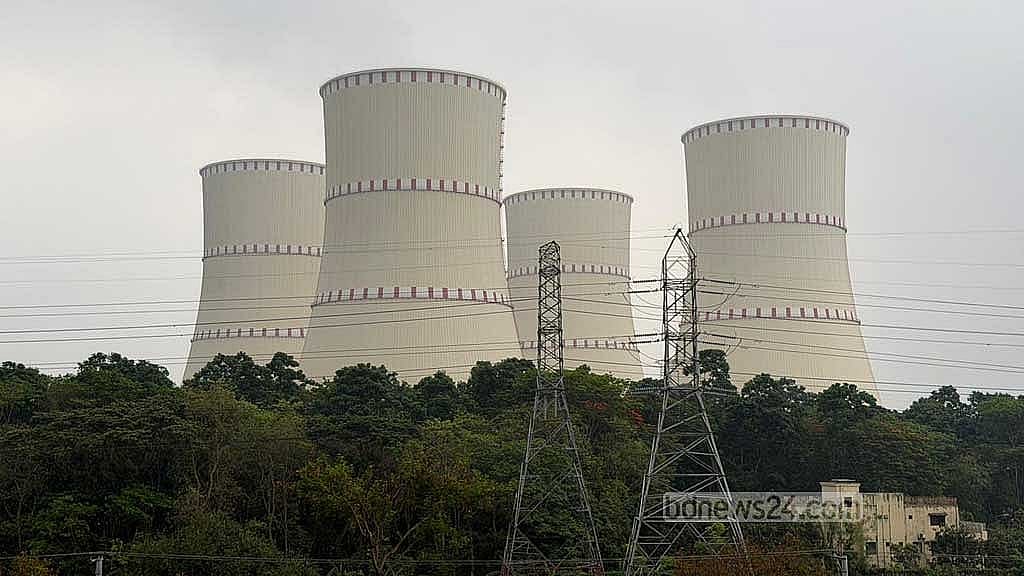
Bangladesh has entered a defining phase in its energy sector as uranium fuel loading is set to begin at the Rooppur Nuclear Power Plant.
The fuel loading is scheduled to begin at Unit-1 of the plant in Pabna’s Ishurdi at 2:30pm on Tuesday, marking the nation's official entry into the operational phase of nuclear power generation.
Project In-charge Ruhul Kuddus confirmed that all preparations for this milestone are complete.
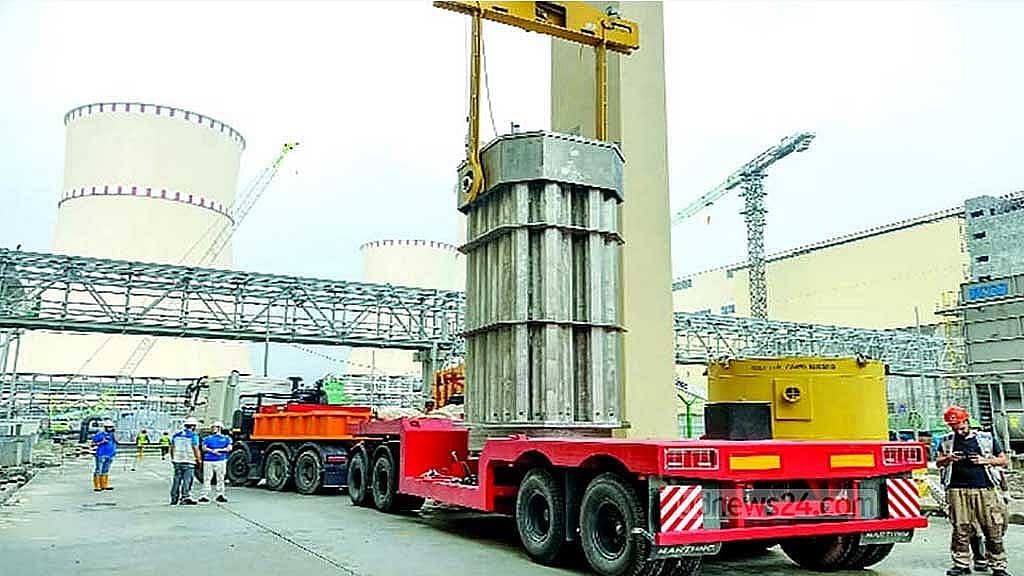
He noted that the installation of 163 fuel assemblies into the reactor core will begin in the afternoon, supervised by Russian specialists and skilled local engineers.
The Bangladesh Atomic Energy Regulatory Authority issued the formal license for fuel loading on Apr 16.
This followed several tiers of safety inspections and pre-operational tests conducted in line with International Atomic Energy Agency (IAEA) standards.
Shawkat Akbar, former project director and former chairman of the Bangladesh Atomic Energy Commission, described the phase as a historic milestone.
He pointed out that the move signals the end of the construction phase and the start of final preparations for power production, providing a carbon-free foundation to meet the country's growing energy needs.
Process
Uranium fuel loading is a highly sensitive and technical procedure involving the insertion of nuclear fuel into the reactor core. Instead of coal or gas, nuclear plants utilise small uranium pellets, each weighing between 4.5g and 5g.
To shield against radiation, these pellets are housed within zirconium alloy tubes to form “fuel assemblies”.
The process of placing these assemblies into the reactor is known as fuel loading, which eventually allows for the start of controlled fission or chain reactions to generate heat.
The procedure is automated, using a specialised refuelling machine.
At Rooppur, this will unfold in several cautious stages. Before the actual uranium was introduced, “dummy fuel” -- assemblies without radioactive material -- was used to test and verify the transport and loading equipment
Trained Bangladeshi operators and fuel handlers will execute the loading under the direct guidance of Rosatom experts from the Russian Federation.
During the process, the reactor vessel is kept filled with water to act as a radiation shield.
The refuelling machine will then precision-place each of the 163 fuel assemblies into their designated spots within the core.
This configuration is vital for the reactor’s safety and performance.
Once the fuel is in place, engineers will test the control rods that manage the fission reaction.
The entire process could take approximately 45 days.
Following a successful load, the plant will be brought to “minimum controlled power”, a stage known as first criticality, where the sustained nuclear reaction begins.
If all tests proceed as planned, officials hope to add an initial 300MW to the national grid by late July or August.
Explaining the technical specifics, Akbar noted that each assembly is 4.6m (15ft) long and weighs about 750kg, containing roughly 534kg of fuel.
He emphasised the incredible energy density of the fuel, noting that a single 4.5g pellet can produce energy equivalent to a tonne of coal.
These pellets provide enough electricity to power a typical household for several months without emitting toxic smoke or carbon.
Strict safety protocols are being followed throughout, with the system remaining in a “sub-critical” state under constant monitoring to prevent any unforeseen friction.
Following initial production, capacity will scale up, with the unit expected to reach its full 1,200MW capacity by the end of the year or early 2027.