Home
+
Published : 05 Jul 2025, 03:29 PM
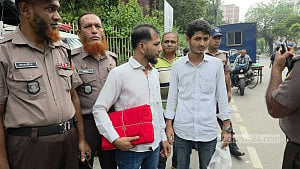
Three Bangladeshi nationals deported from Malaysia over their suspected involvement in militancy have been arrested and sent to jail in Bangladesh.
They were taken into custody by members of the Anti-Terrorism Unit (ATU) upon their arrival in the country on Friday.
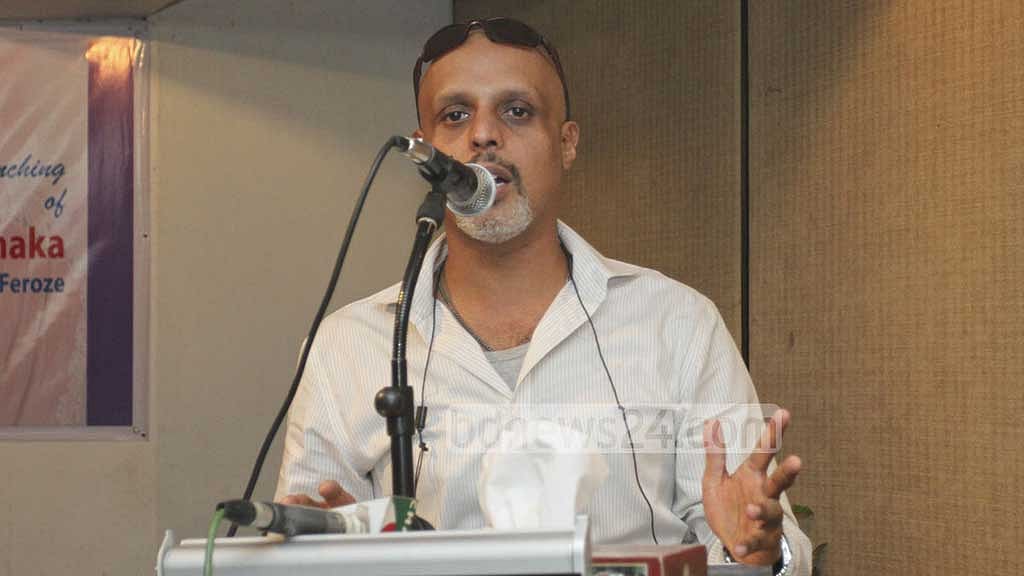
Deputy Inspector General Akkas Uddin Bhuiyan, acting chief of the ATU, said the three were arrested under Section 54 of the Code of Criminal Procedure (CrPC) and produced before the court on the same day. The court subsequently ordered their detention in jail.
The process of filing cases against them is currently under way, he added.
Section 54 of the CrPC empowers police to arrest individuals without a warrant under specific circumstances, particularly when they are suspected of being involved in a cognisable offence (a crime for which a police officer can arrest someone without a warrant) or if the police have credible information supporting such suspicion.
When asked whether the trio had any criminal record in Bangladesh, DIG Akkas said authorities are still verifying their background as they were only recently deported.
He noted that Malaysian police had arrested 36 Bangladeshi nationals in a recent counterterrorism operation.
He added, of those, five have been formally charged, while investigations are ongoing against several others. The rest are in the process of being deported. The three men now in Bangladeshi custody are among those who were sent back.
Police have not disclosed the identities of the three deportees.
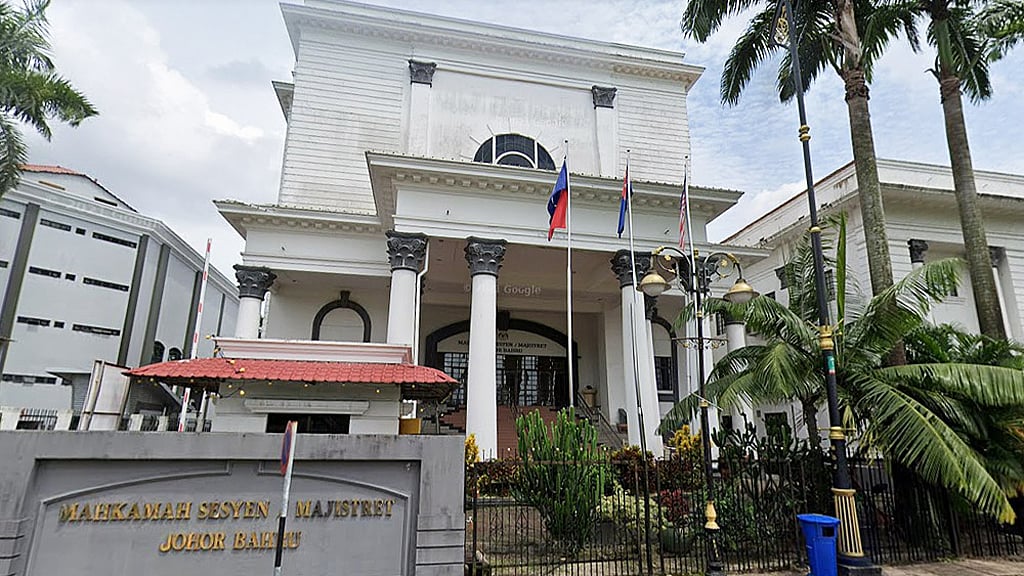
According to Malaysian authorities, the group of Bangladeshis arrested in the country was suspected of sending funds to Islamic State (IS) cells in Syria and Bangladesh.
On Friday, Malaysia’s Inspector General of Police Mohd Khalid Ismail said that the arrests followed a series of operations conducted since April. Most of the suspects were employed in factory, construction, or service sectors.
Following a 2016 IS-linked attack in Kuala Lumpur, Malaysia has arrested hundreds of suspected militants, particularly in the Muslim-majority capital.
However, the number of such arrests has markedly declined in recent years due to stronger regional counterterrorism efforts.
Malaysia continues to rely heavily on foreign labour to fill shortages in its industrial, agricultural, and construction sectors, with a large number of Bangladeshi workers migrating to the country annually.
Citing intelligence findings, Ismail said that the Bangladeshi group had been recruiting new members from among fellow migrant workers and spreading extremist ideology via social media and messaging apps.
He added that the group used international money transfer services and e-wallets to send funds to IS operatives in Syria and Bangladesh.
Malaysian police's Special Branch Counter-Terrorism Division reportedly found evidence of the transactions. The exact amount of money raised is still under investigation, but preliminary findings suggest that the funds came from membership fees and donations.
According to Malaysian newspaper The Star, the group operated under the name “Gerakan Militan Radikal Bangladesh” (GMRB) and used platforms like WhatsApp and Telegram to recruit members and disseminate extremist content.
Ismail said that investigators believe the group’s WhatsApp chat had between 100 and 150 members. Early findings indicate that each member paid an annual fee of 500 ringgit, with additional contributions varying by individual.
When asked whether the group had connections with regional or international IS networks, the Malaysian police chief said the investigation is still ongoing. He added that Malaysian authorities are working with international law-enforcing agencies and Interpol to dismantle the group’s operations.
Of the 36 arrested, five have been formally charged with terrorism-related offences in Malaysia. Fifteen, including the three deported to Bangladesh, are being sent back to their home country, while 16 remain in Malaysian custody under further investigation.
Those with minimal involvement will be deported, while those with stronger links to militancy will face legal proceedings under Malaysian law.
News of the arrests first emerged on Jun 27, when Malaysia’s Home Minister Saifuddin Nasution Ismail announced that 36 Bangladeshi nationals had been detained on suspicion of extremism.
He said that the group was attempting to spread IS ideology in Malaysia and had established internal recruitment cells.
These cells were allegedly not only promoting extremist beliefs but also raising funds for terrorist activities and working to destabilise the government in Bangladesh.
In Dhaka, Bangladesh’s Foreign Affairs Advisor Touhid Hossain addressed the issue at a media briefing on Thursday. He said that the individuals had been arrested on suspicion of terrorism and that the Bangladesh government had requested detailed information from Malaysia.
He expressed hope that the full picture would emerge within a few days. He acknowledged that a few of those arrested may have been formally charged and will face trial in Malaysia, describing the situation as “fluid”.
Regarding those being deported, Touhid said that several would be returned to Bangladesh, and authorities in Dhaka would need to assess the extent of their involvement and any affiliations with extremist groups. This responsibility would fall under the jurisdiction of the Ministry of Home Affairs.
Asked whether such incidents could affect visa processing for Bangladeshis abroad, he said that any negative development can have an impact. He could not rule it out but added that with proper government response, the fallout could be minimised.
On Bangladesh’s responsibility in such cases, the advisor said the government must investigate whether the individuals were involved in serious wrongdoing. If so, they should face punishment.
He emphasised the importance of taking steps to prevent such incidents from recurring in the future.