Published : 06 Sep 2024, 07:07 AM
Updated : 28 Aug 2026, 01:12 AM


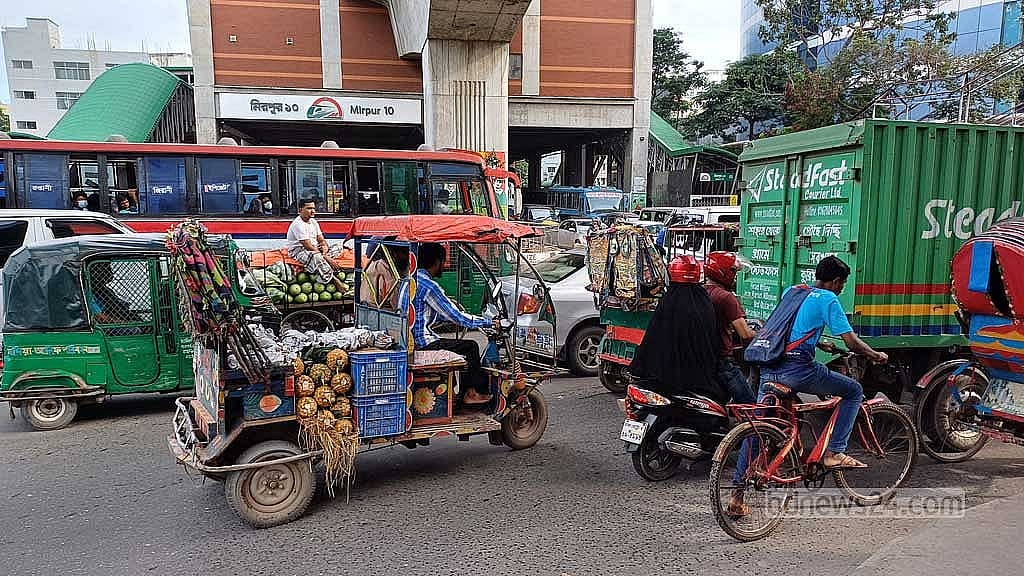
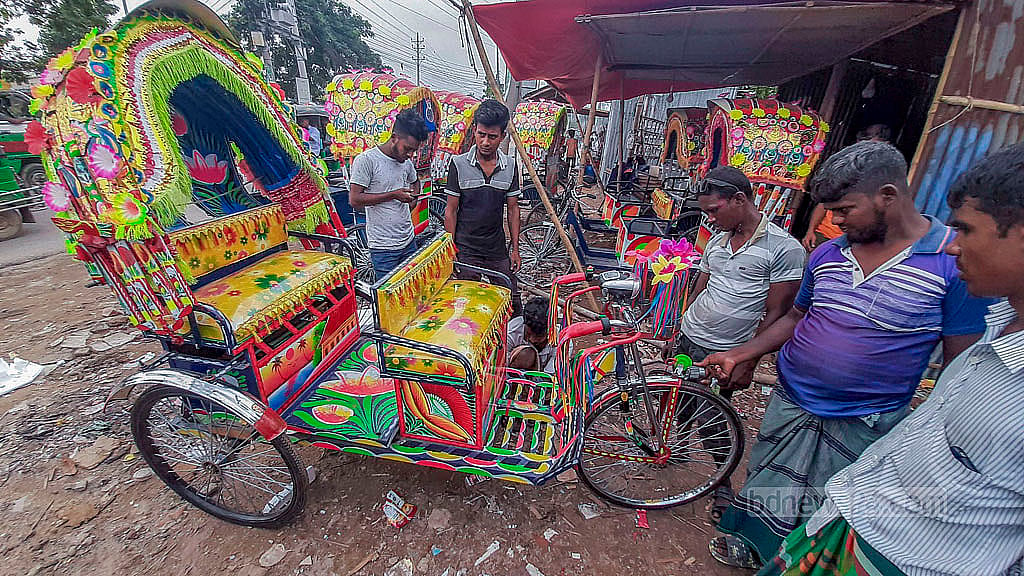
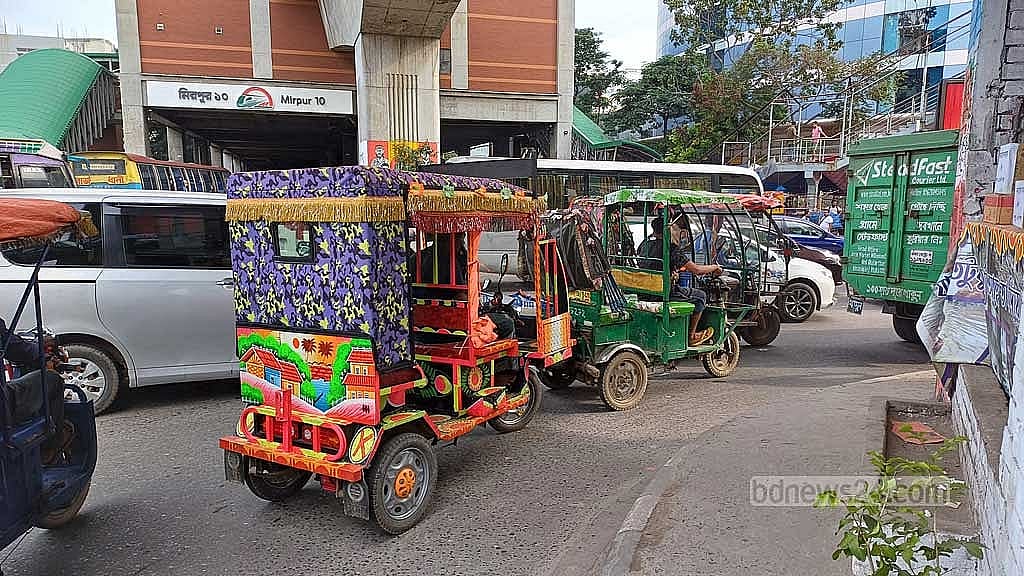
Battery-powered rickshaws and easy bikes, banned from Dhaka’s main roads, have defied restrictions over the past few days.
Since Aug 5, these vehicles have been dominating main roads, contributing to traffic disarray with their erratic movements and use of wrong lanes.
Drivers and passengers of other vehicles, as well as police officers, have reported increasing concerns about the disorder caused by these three-wheeled vehicles.
During a recent visit to areas like Mirpur, Dhanmondi, Shyamoli, Mohakhali, and Badda, numerous battery-operated rickshaws and easy bikes were operating on every major road.
These rickshaws often cut in front of faster vehicles and navigate turns unpredictably, causing confusion and increasing risks on the roads.
Manjur Hossain, a battery-operated rickshaw-puller from Agargaon, said: “We would earlier avoid main roads during the day, but now with no police presence, we operate everywhere.”
“Now, police don’t stop us like they used to. This is why we even take trips on major roads now. We know it’s not safe to go alongside large vehicles on big roads.”
“But on main roads, we can get longer trips and earn a bit more,” he added.
Another rickshaw-puller, Humayun Kabir from Badda, said: “If CNG drivers can use the main roads, why can not we? They drive engine vehicles, and so do we.”
Nazmul Hossain, a CNG-run auto-rickshaw driver, told bdnews24.com that the traffic police have become less active since Aug 5, allowing battery-powered rickshaws to operate freely.
“Police don’t enforce the rules like they used to, so these rickshaws are all over the main roads now. They drive recklessly, which only adds to the traffic congestion,” he said.
Another CNG-run auto-rickshaw driver, Ahmed Ali, told bdnews24.com: “They drive very fast and make sudden turns without signalling.”
“It’s very difficult for drivers behind them to anticipate their movements, increasing the risk of accidents,” he explained.
Bulbul Ahmed, a resident of Mirpur, said: “At one time, battery-operated rickshaws were fined and dumped for running on the main road. Now, these practices have stopped.”
“The lack of traffic police makes it difficult to control their movement.”
Mohammadpur resident Alif Khan told bdnews24.com the presence of battery-operated rickshaws on Dhaka's main roads is extremely dangerous.
Alif Khan from Mohammadpur described the situation as dangerous due to the absence of proper indicators on rickshaws, which makes it hard for other drivers to anticipate their movements.
“These rickshaws move at speeds of 30 to 35 kilometres per hour, causing other vehicles to slow down and contributing to traffic jams,” he said.
A traffic policeman on duty in Shyamoli told bdnews24.com:"Currently, no one listens to anyone, and the situation is chaotic everywhere. Auto-rickshaws have taken over the streets, driving recklessly. “
“Our force is also reduced, so we can't enforce the rules or take action against them. It's not just this road; there is no road in Dhaka where these rickshaws aren't present."
Khalequzzaman Lipon, central convenor of the Rickshaw, Battery Rickshaw, Van, and Easy Bike Sangram Parishad told bdnews24.com that their organisation has advised drivers to avoid main roads.
However, he urged the traffic police to be more active.
"Our directive was to operate only on roads other than the main ones. We have already informed various areas and sent letters through our associations,” said Lipon.
“However, the traffic police are not enforcing any restrictions on the roads, leading to this indiscipline,” he added.
Kazi Md Saifun Newaz, an assistant professor at Bangladesh University of Engineering Technology, or BUET, told bdnews24.com that rickshaws are a popular mode of transport for Dhaka residents, both for commuting to work and other locations.
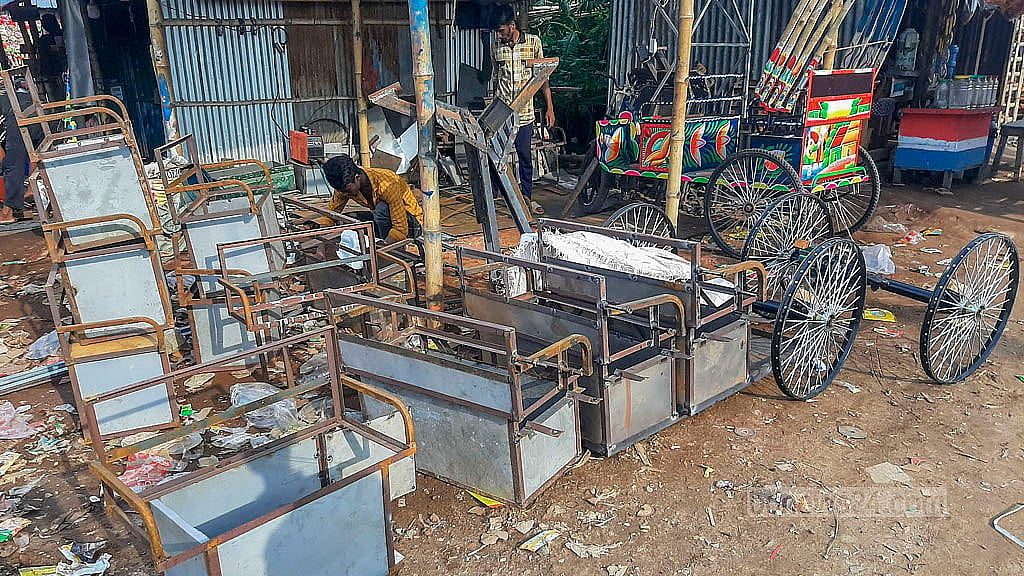
However, due to the poor quality and inadequacy of public transport, these vehicles are also operating on major roads.
"They not only cause traffic jams but also contribute to road accidents. The presence of rickshaws on main roads creates speed differentials, reducing overall traffic speed.”
“In addition, battery-operated rickshaws have speeds that do not match their structure, making them prone to risks," he added.
Newaz suggested implementing measures such as restricting rickshaw access to main roads during peak hours and colour-coding rickshaws by area to improve identification and regulation.
“A survey should be conducted to determine rickshaw routes and regulate their movement and numbers within a structured framework. The plan should also include gradual steps to eliminate rickshaws from main roads,” he said.
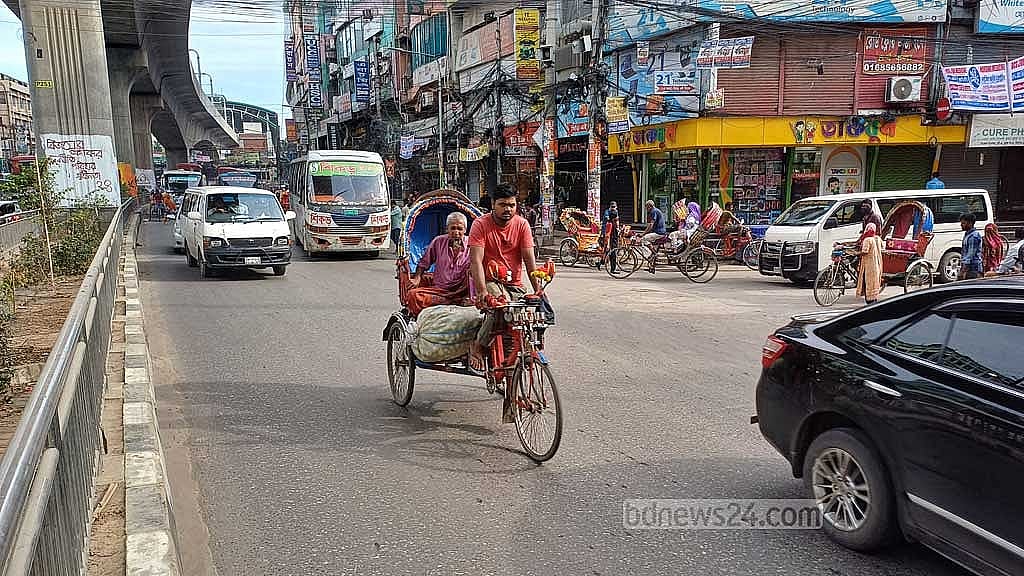
“Colour-coding rickshaws by area will make it easier to identify those from other areas when they enter different zones."
Dhaka Metropolitan Police Additional Commissioner (Traffic) Khandaker Nazmul Hasan, said measures are being taken again to control battery-operated rickshaws.
He told bdews24.com on Thursday, "We have noticed that battery-operated rickshaws are causing disorder on the roads, and in some places, they have occupied three out of four lanes.”
“Our traffic police force is on the field, but many are new to their duties, so it is taking some time to address these issues.”
“I only joined yesterday [Wednesday], but we hope to see visible progress within a few days."
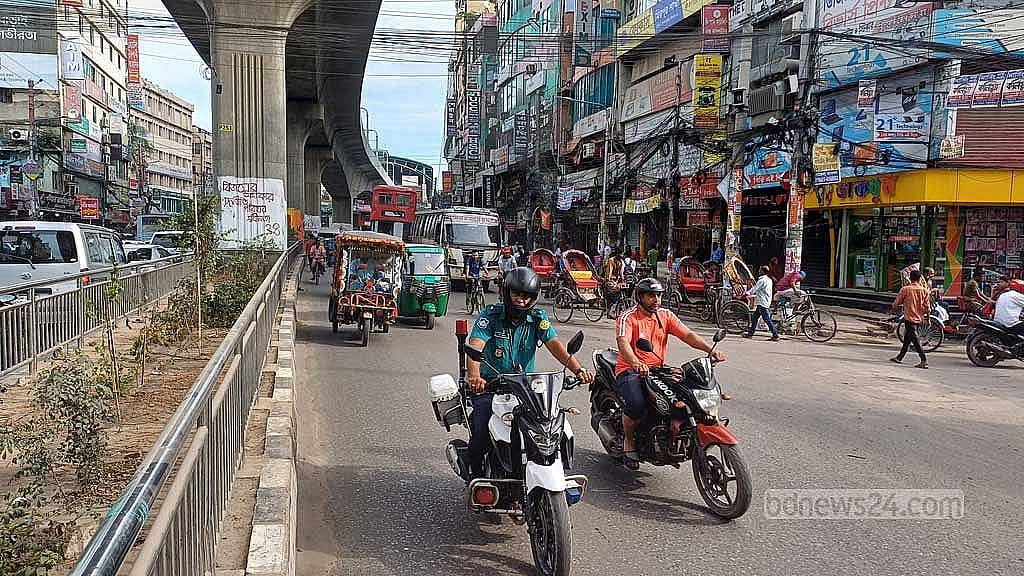
On Monday, padel rickshaw-pullers blocked the Shahbagh intersection to protest against the ban on battery-powered rickshaws.
On the same day, battery-operated rickshaws and easy bike drivers also protested, demanding the right to operate on main roads.
Earlier, on May 15, a decision was made to ban battery-powered rickshaws from Dhaka’s main roads.
At that time, then-transport minister Obaidul Quader said: "No battery-operated vehicles should operate in Dhaka city. We have banned them on 22 highways.”
“It's not just about the ban; measures must be taken to ensure they cannot operate."
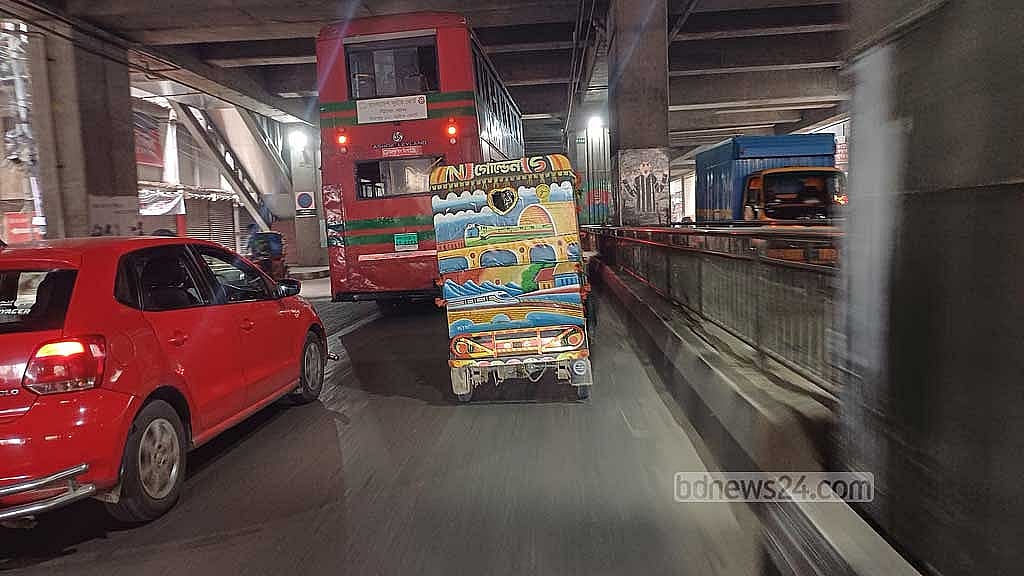
In protest, rickshaw-pullers and garage owners blocked roads in Dhaka, resulting in clashes with law-enforcing agencies and several injuries.
On May 20, former cabinet secretary Md Mahbub Hossain said the decision to ban battery-operated rickshaws had been made without informing Sheikh Hasina.
However, the decision was later revised, allowing their operation but restricting them from main roads.
[Writing in English by Sheikh Fariha Bristy]