Published : 30 Sep 2025, 05:16 AM
Updated : 21 Aug 2026, 01:52 PM


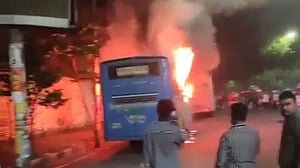
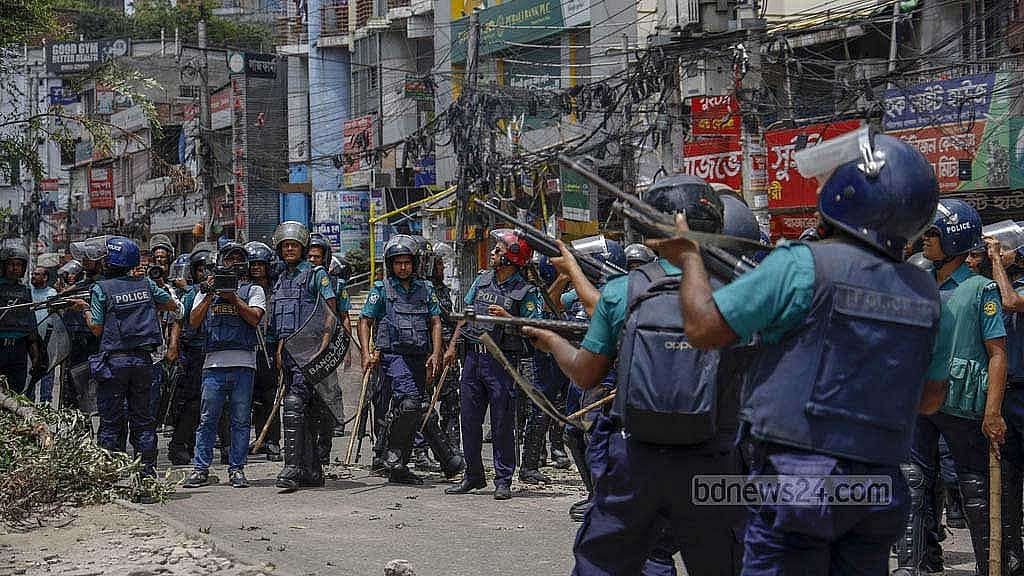
During the student protests in the July Uprising last year, police fired as many as 305,311 rounds of ammunition across the country under instructions from deposed prime minister Sheikh Hasina, an investigation has revealed.
These bullets were used in an attempt to suppress the movement, with 95,313 rounds fired in the Dhaka Metropolitan area alone, it added.
The shocking details were presented by the investigation officer, Mohammad Alamgir, during his testimony at the International Crimes Tribunal.
Alamgir referred to a 215-page report from the Police Headquarters while testifying in the trial of Hasina for alleged crimes against humanity.
The tribunal, led by Justice Md Golam Mortuza Mozumder, heard the testimony of Alamgir, the 54th witness in the case.
The other members of the tribunal included Justice Shafiul Alam Mahmud and Mohitul Haque Enam Chowdhury.
Alongside Hasina, two other suspects in the case are former home minister Asaduzzaman Khan and former IGP Chowdhury Abdullah Al-Mamun, who has already testified as a state witness.
The trial began on Aug 3, with the three-member tribunal under Justice Mozumder hearing evidence against the suspects.
It marks the first case involving Hasina for alleged crimes against humanity, heard in the same tribunal that was formed to try war criminals from the 1971 Liberation War.
According to Alamgir’s testimony, the Police Headquarters provided a report on the weapons and ammunition used during the July protests. The report revealed that a range of weapons, including LMGs, SMGs, Chinese rifles, shotguns, revolvers, and pistols, were used.
Alamgir also said the report included information on the use of helicopters by the Rapid Action Battalion (RAB).
Also, the investigation collected reports from different universities, including Dhaka University, Chittagong University, Rajshahi University, and Begum Rokeya University in Rangpur, which had formed inquiry committees into the deaths and injuries of students during the protests.
Documents including medical certificates from the national eye hospital, national orthopaedic hospital, and the burn institute were also collected, alongside postmortem reports of 81 unidentified bodies from Anjuman Mufidul Islam.
Alamgir also said the evidence included video footage, audio clips, books, expert reports, testimonies from family members of martyrs, witnesses, and confessional statements from former IGP Al-Mamun, all of which have been reviewed during the investigation.