Published : 24 Apr 2026, 07:34 AM
Updated : 21 Aug 2026, 03:38 PM


Power Paralysis: Farms, Factories Falter
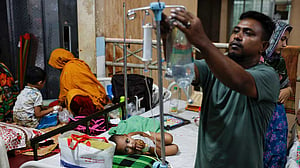
Deepening energy inequality: Villages are bearing the brunt of a 2,500MW national deficit, enduring up to 12 hours of outages compared to significantly shorter cuts in cities.
Perishables rot in cold storage: The power crunch is stalling irrigation and threatening a mass rot of potato stocks in cold storage, as fluctuating temperatures and diesel shortages put the country's food security in immediate peril.
Industry hit by unstable supply: Industrial output in key hubs has plummeted to as low as 30 percent, with small factories facing collapse as they are squeezed by both a failing grid and an inability to source fuel for backup generators.
Livelihoods and education stalled: From rickshaw drivers unable to charge vehicles to students unable to revise for crucial exams, the persistent blackouts are eroding daily incomes and disrupting the academic futures of rural youth.
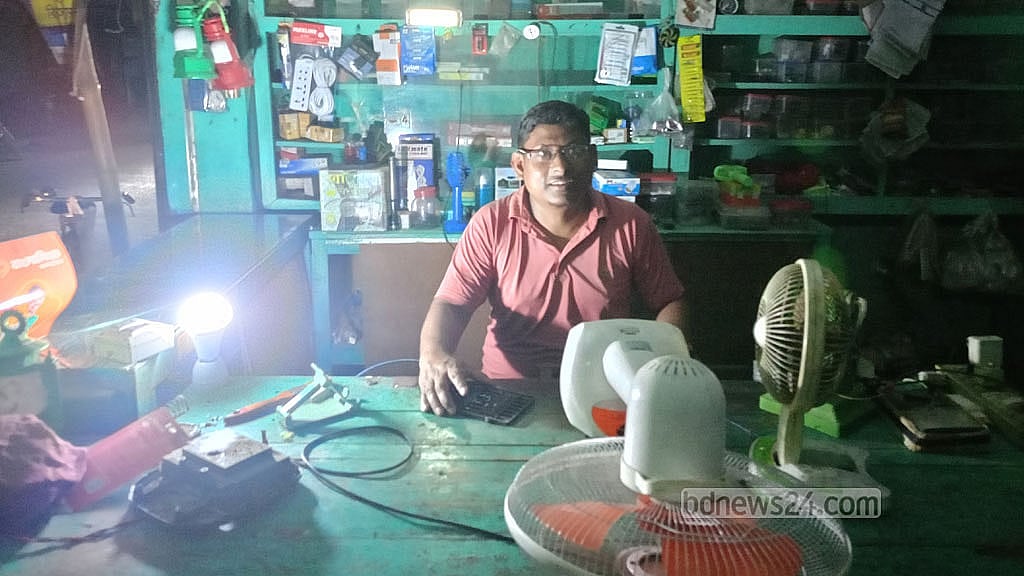
The first waves of summer heat have arrived with punishing force, but in much of rural Bangladesh, the more immediate burden is darkness.
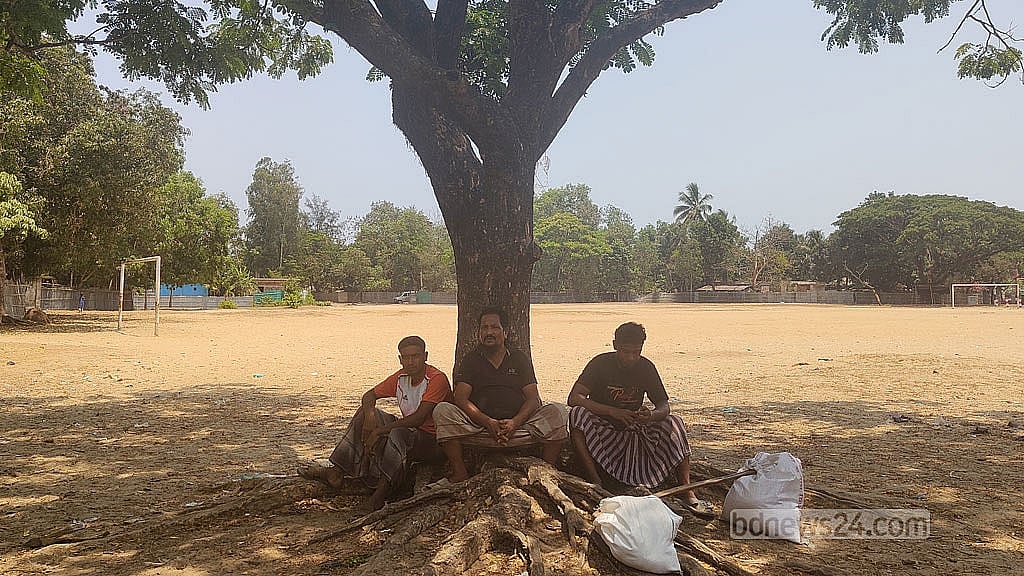
As the power shortage intensifies, vast swathes of the countryside are enduring prolonged power cuts that far exceed those in cities.
While urban centres report outages lasting five to six hours a day, villagers in many places say electricity disappears for 10 to 12 hours, sometimes longer.
The imbalance has sharpened perceptions of inequality, now feeding directly into economic disruption across the country.
Agriculture, poultry and fisheries -- the lifeblood of rural livelihoods -- are faltering under the strain. Industry, too, is slowing, caught between electricity shortages and a parallel scarcity of fuel needed to run generators.
Officials at the Power Division say the country is currently generating 2,000 to 2,500MW less than demand, a deficit exacerbated by the shutdown of one unit each at India’s Adani power plant and the SS Power facility in Banshkhali.
In attempting to manage the shortfall through load-shedding, authorities have inadvertently deepened disparities. In some districts and sub-districts, supply has dropped to nearly half of demand.
The consequences are immediate and far-reaching.
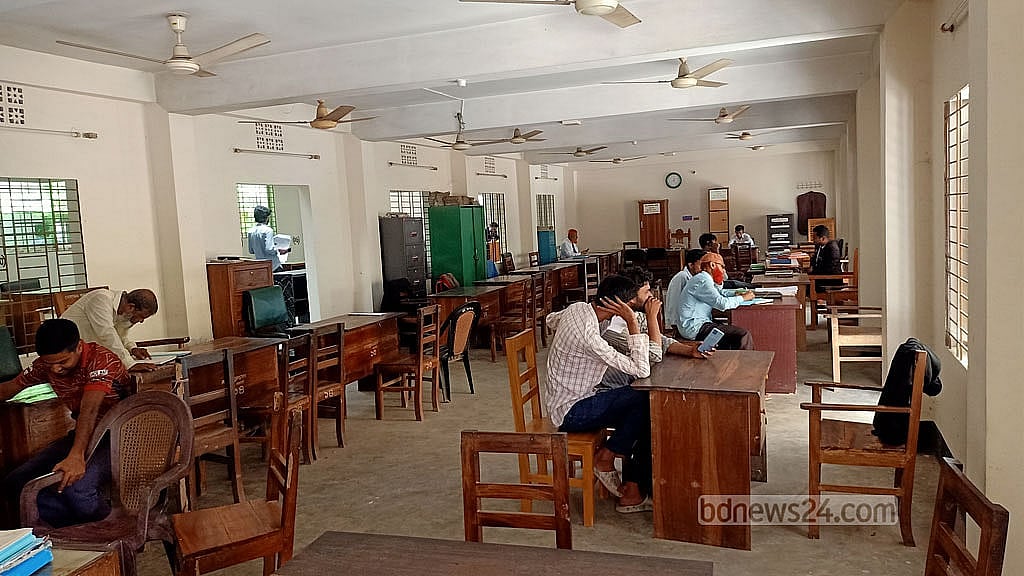
Students preparing for their Secondary School Certificate (SSC) examinations struggle to study in stifling heat and darkness. Traders, forced to shut shops by 7pm under government directives, describe a creeping paralysis in commerce.
Bangladesh Power Development Board (BPDB) member (generation) Md Zahurul Islam offered cautious optimism, saying the situation may ease by mid-next week.
Yet even then, he warned, outages would persist.
“Even if the situation improves somewhat, load-shedding will not end. There may still be around 1,200 megawatts of outages, though that will be significantly lower than now.”
Cold Storage Under Threat
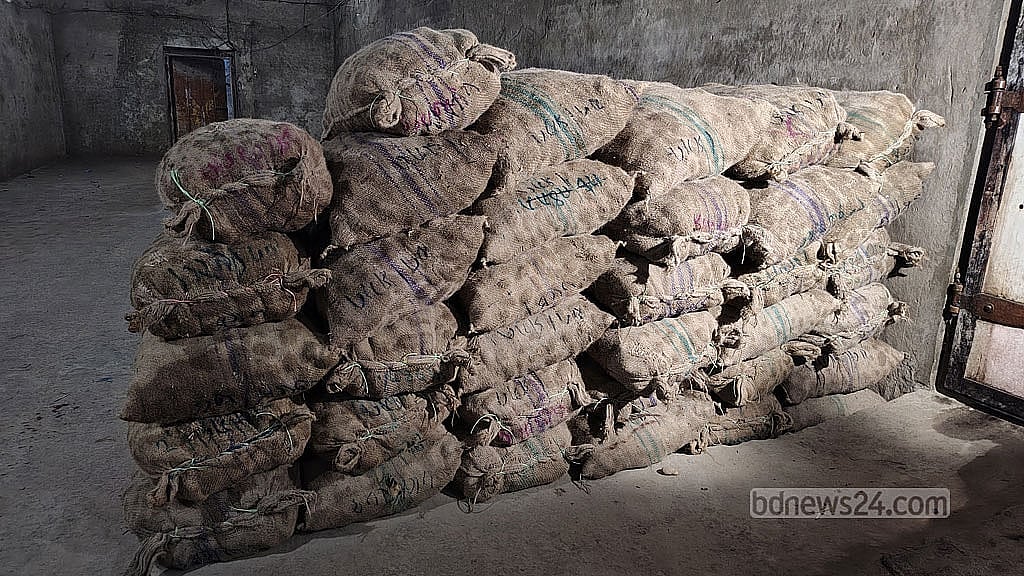
In the agricultural heartlands, cold storage facilities -- vital for preserving potatoes and seed -- are under mounting pressure.
At Haque & Sons Cold Storage at Cumilla’s Amtali, compressor operator Md Babul Sarkar described a precarious balancing act.
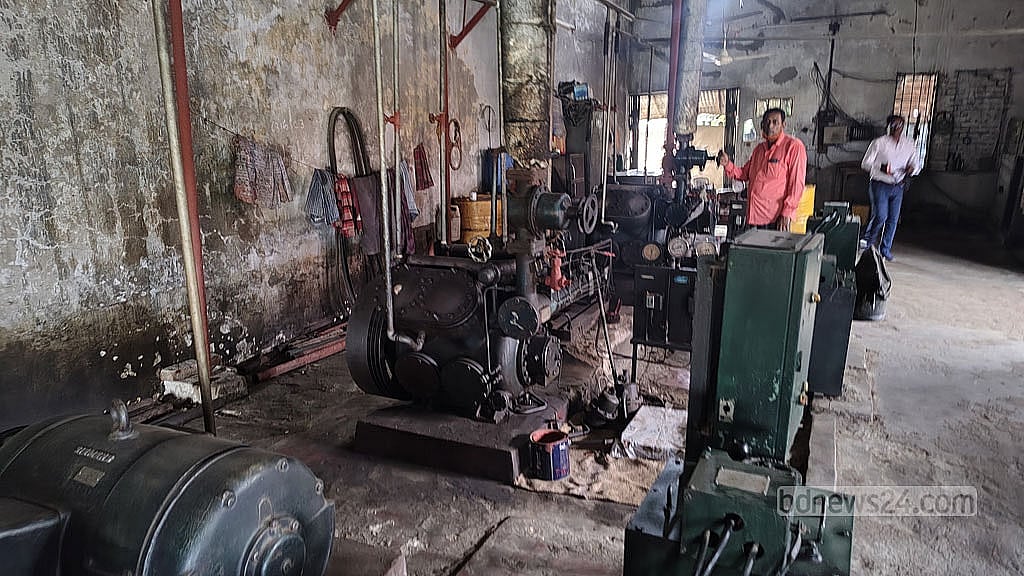
With power absent for an average of five hours daily over the past week, generators must run continuously -- yet diesel itself is in short supply.
“For the past week, we have been without electricity for about five hours a day on average. If this continues, potatoes will spoil, and so will the seeds.
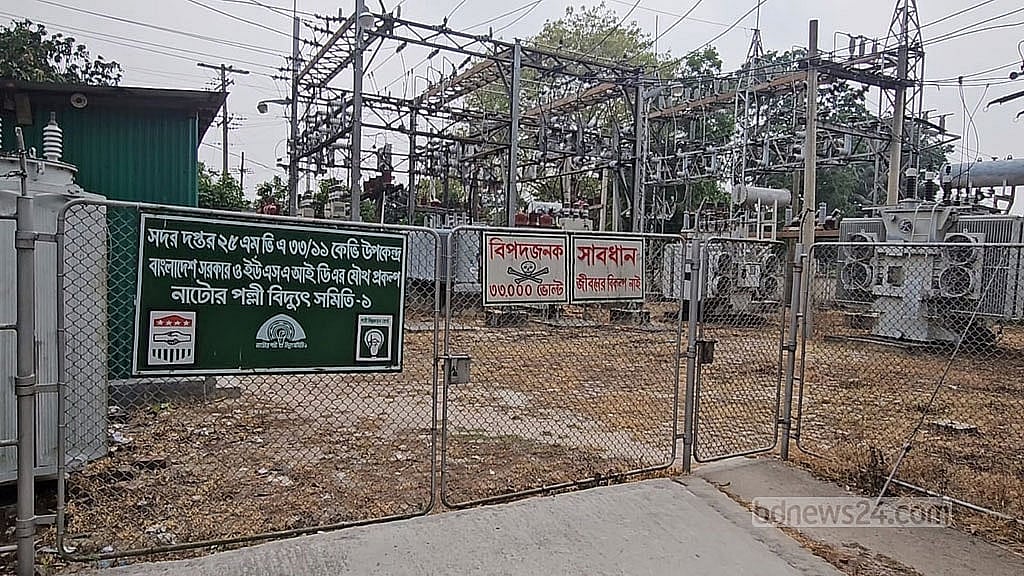
“Potatoes must be kept at a fixed temperature at all times. If perishable produce is not stored properly, it will start to rot. Seed potatoes require even stricter temperature control -- any fluctuation will ruin them.”
Across the district’s more than 20 cold storage facilities, many filled to capacity, similar concerns echo.
In Joypurhat’s Kalai Upazila, RB Cold Storage manager Selim Hossain said outages exceeding six hours daily are driving up costs by more than Tk 1.5 million a month.
“If this continues, cold storages will face losses on a scale we have never seen before.”
Lives Disrupted in the Dark
In coastal Teknaf, frustration has turned to exhaustion. Residents report outages lasting up to 12 or 13 hours a day.
Abu Taleb, from Shah Porir Dwip, said: “There is no way to count how many times the power goes out in 24 hours. Once it goes, it takes more than two hours to return -- and when it does, it doesn’t even stay for an hour.”
For Nurul Islam, a battery-powered rickshaw driver, the impact is immediate. Without consistent electricity to charge his vehicle, his daily income has shrunk, making it increasingly difficult to support his family.
Local officials acknowledge the strain. Teknaf Palli Bidyut Deputy General Manager Jasim Uddin said the national grid’s supply has dropped sharply due to fuel shortages, leaving the area with barely half its required allocation.
Industry Caught in a Double Bind
In the industrial belts of Savar and Ashulia, the crisis has taken on a dual edge: unreliable electricity and scarce fuel.
Factories stagger through erratic supply cycles -- power returning for brief intervals before vanishing again. Many are forced to halt production altogether.
Delwar Hossain, director of Needle Stitch Composite Ltd, described the instability: “Electricity comes for 40 to 50 minutes after every two hours -- sometimes it stays for just five minutes before going again for two hours. Because of the fuel crisis, we cannot run generators properly either.
“We are a small factory. Pumps are not supplying diesel regularly, while large factories secure most of it through contracts. The situation is pushing us towards closure.”
Production capacity in some garment and leather factories has dropped to 30–40 percent, raising fears of missed export deadlines and significant financial losses.
Fields at Risk
For farmers, the crisis is existential.
In Jashore’s Benapole, Abdul Hamid said irrigation -- essential for boro rice cultivation -- has become erratic.
“Due to frequent power cuts, farmers cannot carry out irrigation properly.”
Pump owner Shamim Hossain added, “People wait for hours to get irrigation. Load-shedding continues day and night. At this crucial stage, we have become helpless.”
In Natore, farmer Wazed Ali voiced a deeper anxiety: “I took loans to cultivate rice on three bighas of land (around 4006sqm). But I cannot irrigate properly. If I cannot supply water, the crop will be destroyed. If I cannot harvest, how will we eat or repay the loans?”
Poultry and Fisheries Under Strain
In rural Mymensingh, outages lasting three to eight hours daily are disrupting fish farms and poultry sheds.
Fish farmer Harez Ali said constant water circulation is vital during the heat of Baishakh.
“Water supply remains disrupted for long hours, which is hampering fish growth.”
Poultry farmer Anwar Hossain reported rising bird deaths as heat builds inside sheds, despite makeshift cooling efforts.
Students in the Shadows
For students, the crisis is measured in lost hours.
Shariful Islam from Trishal said daily outages of five to seven hours are severely disrupting study routines.
SSC candidate Emran Hasan added: “Because of load-shedding, it has become very difficult to maintain a study routine.”
In Teknaf, another student, Yasin Arafat, said evening outages make studying “almost impossible”.
How Deep is the Crisis?
The scale of the deficit is stark. On Wednesday, peak demand approached 16,000MW, while generation stood at 14,126.35MW, leaving a shortfall of 2,086MW.
The shutdown of one unit at Adani’s plant reduced supply by roughly 700MW. Officials say restarting that unit, along with one at SS Power, could add around 1,300MW back to the grid within days.
To bridge the gap, authorities have turned to costly diesel-fired plants and emergency measures, including additional generation in Khulna and delayed maintenance schedules elsewhere.
State Minister for Power Aninda Islam Amit told parliament on Thursday that the government has begun diverting electricity to irrigation, even imposing 110 megawatts of load-shedding in Dhaka to support farming.
Yet for millions across rural Bangladesh, relief remains uncertain. Until supply stabilises, the rhythm of life -- from fields to factories to classrooms -- will continue to flicker between light and shadow.
[This report was prepared with contributions from Senior Correspondent Jasmin Moli, Cumilla Correspondent Tanvir Dipu, Benapole Correspondent Asaduzzaman Asad, Teknaf Correspondent Jasim Mahmud, Natore Correspondent Tariqul Islam, Mymensingh Correspondent Ilias Ahmed, Savar Correspondent Selim Ahmed, and Sherpur Correspondent Abdul Rahim Badal]